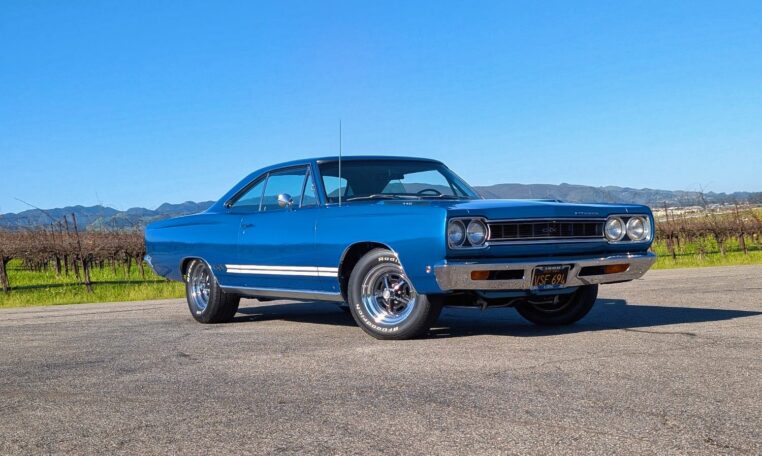
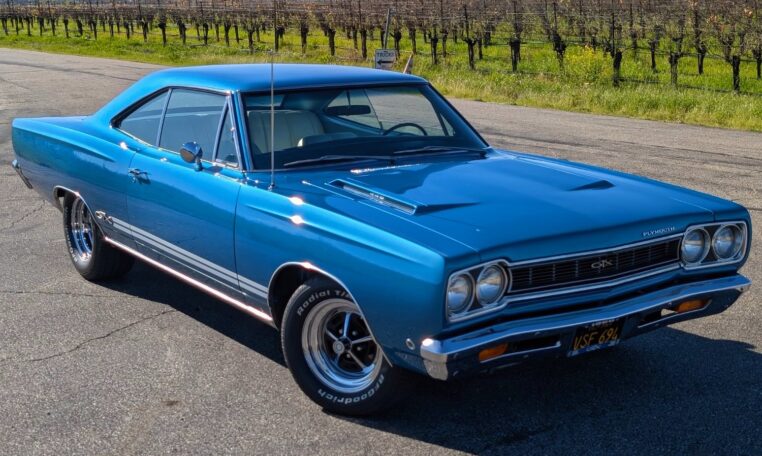
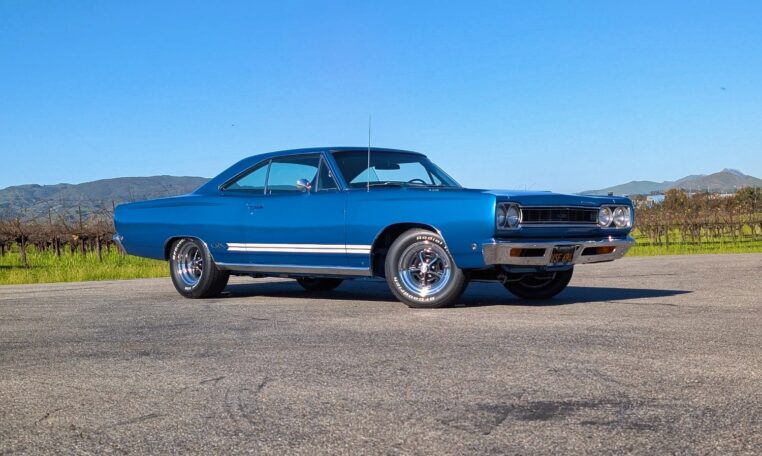
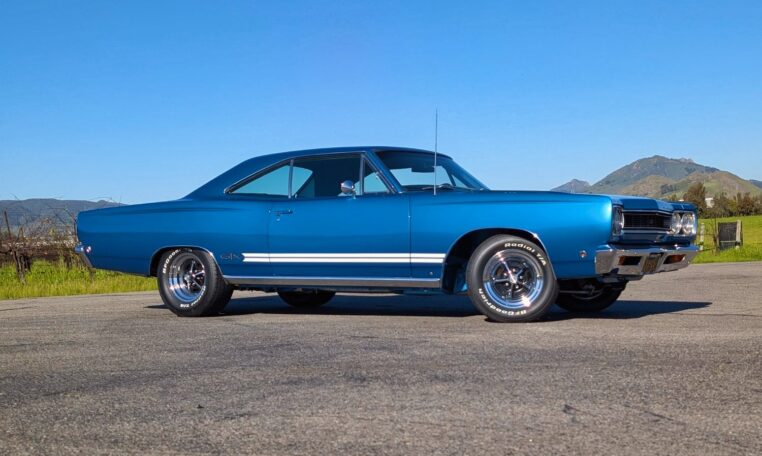
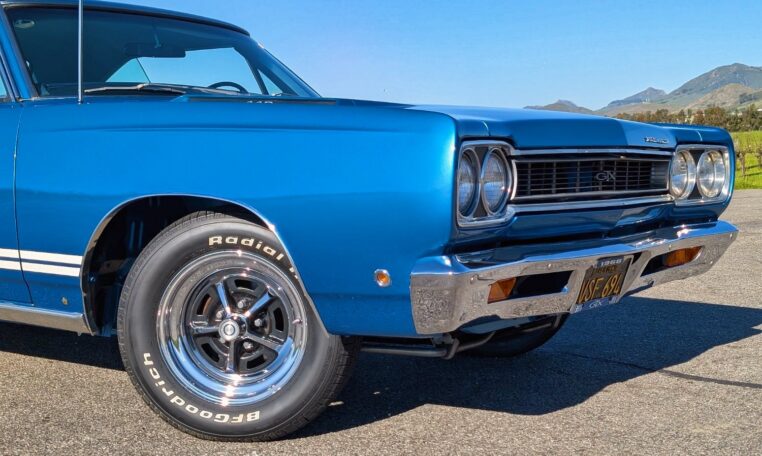
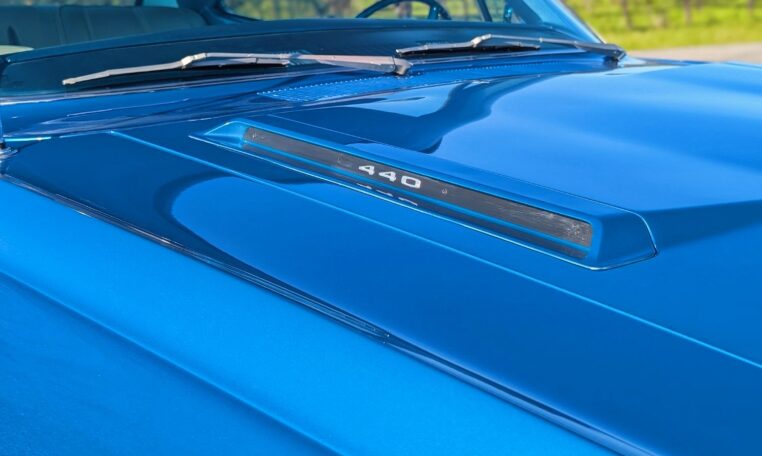
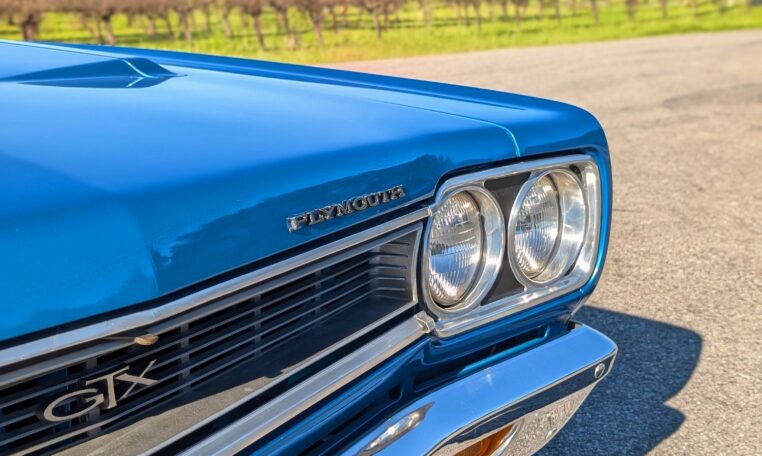
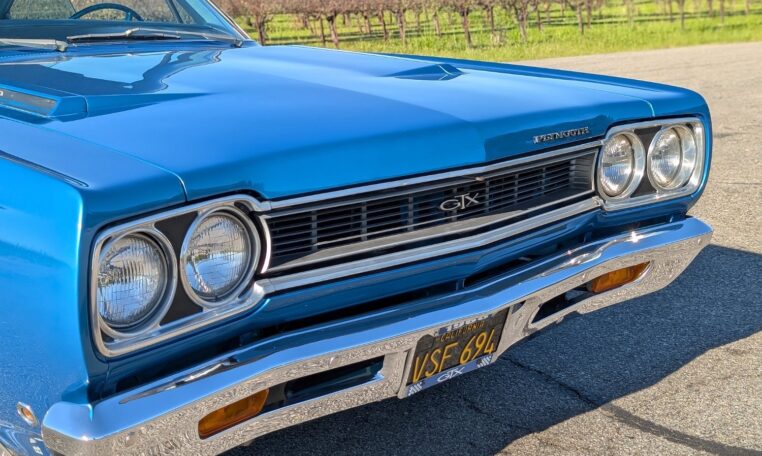
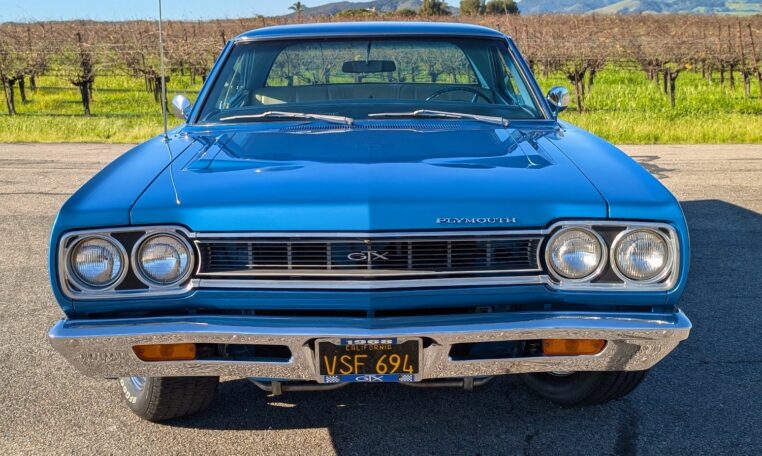
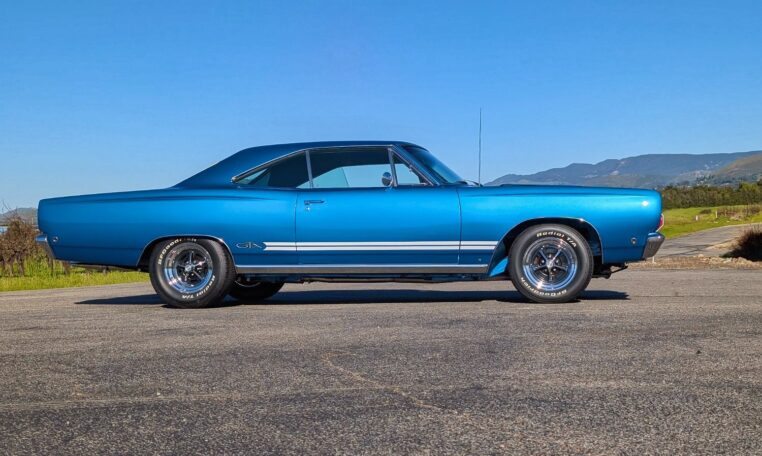
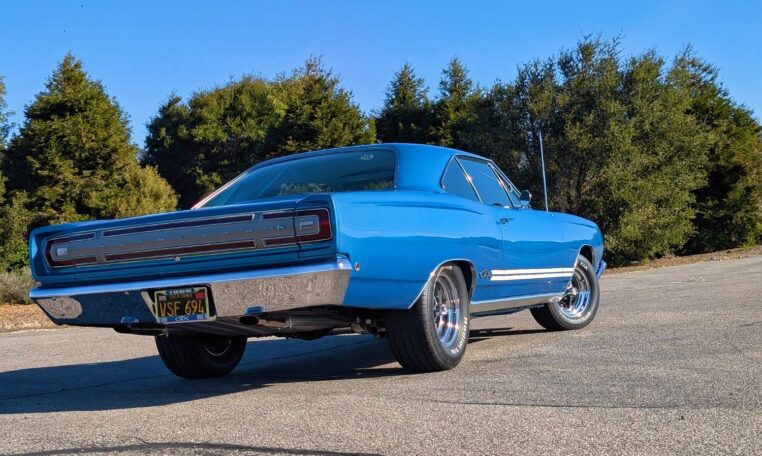
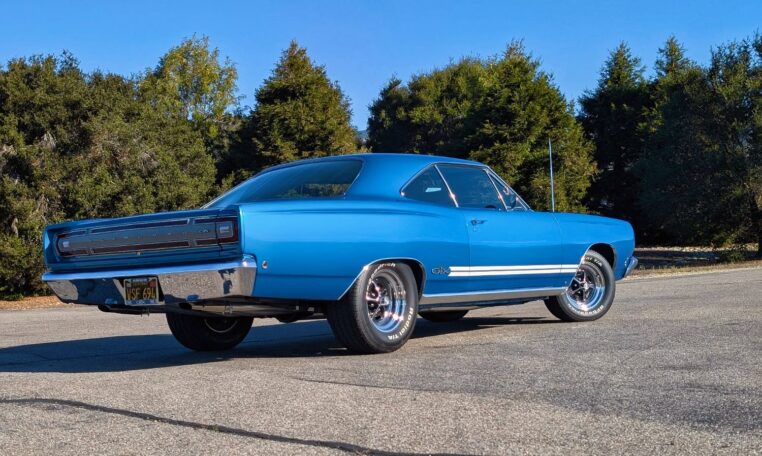
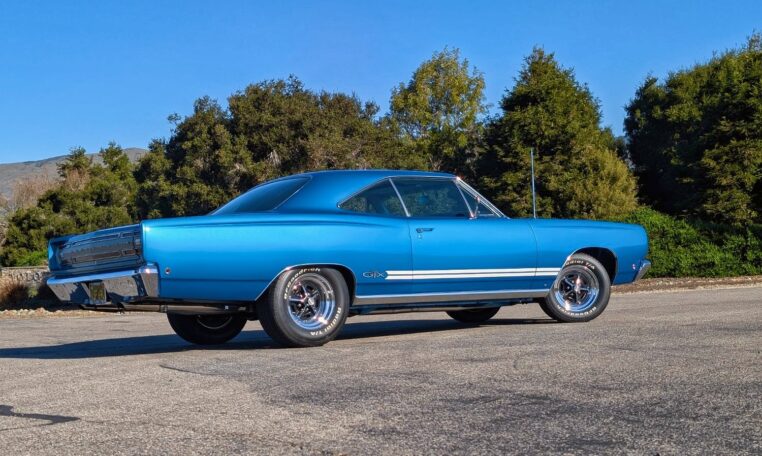
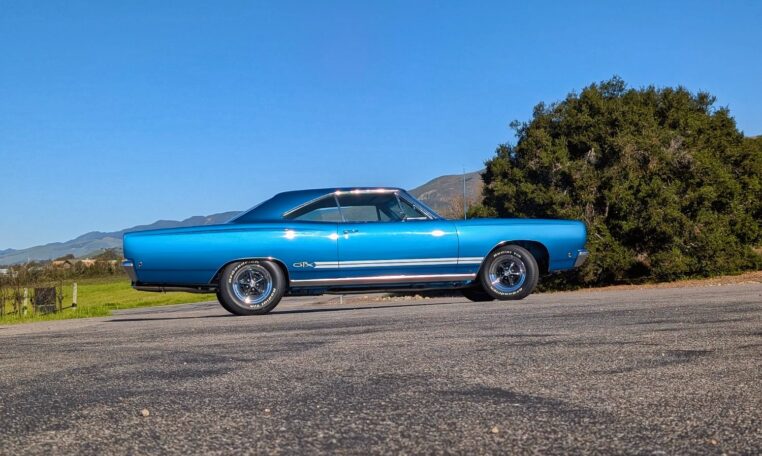
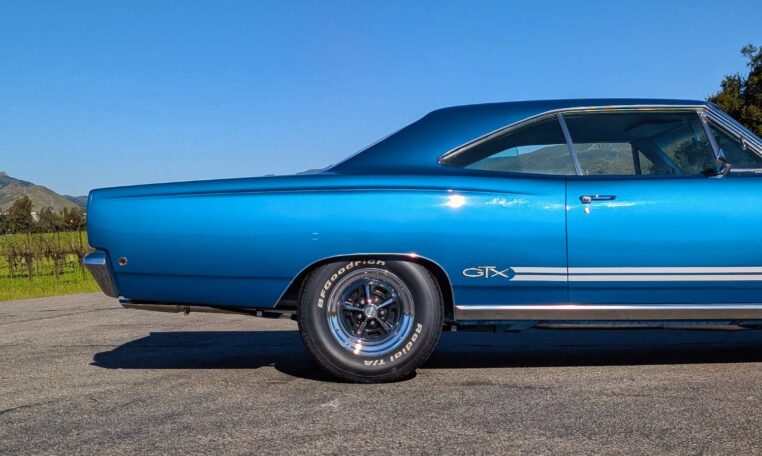
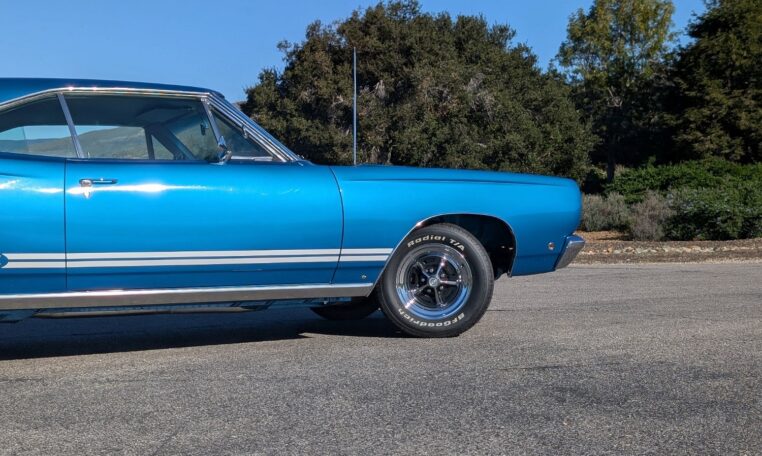
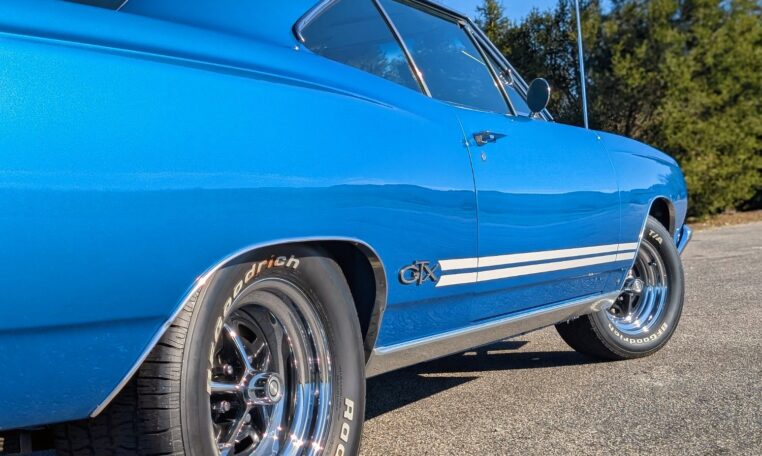
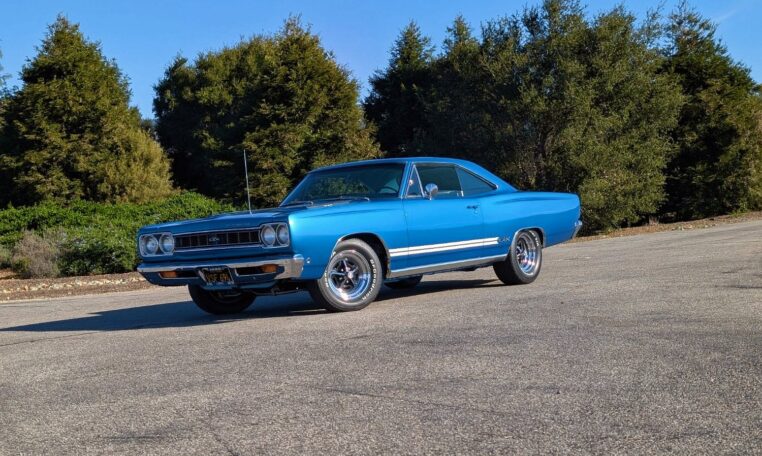
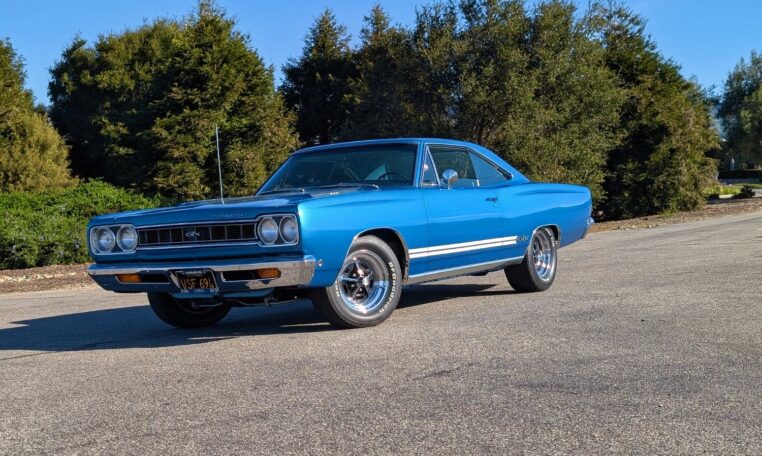
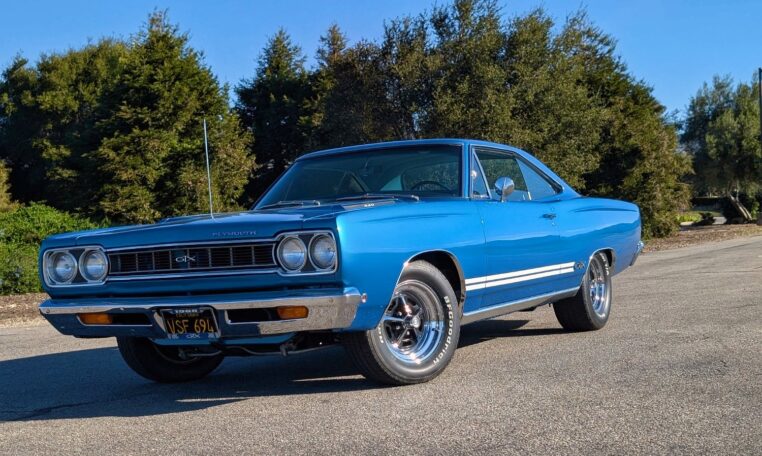
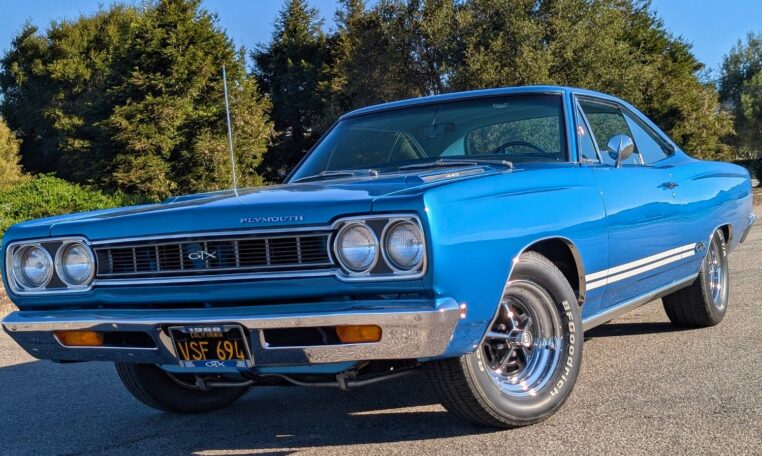
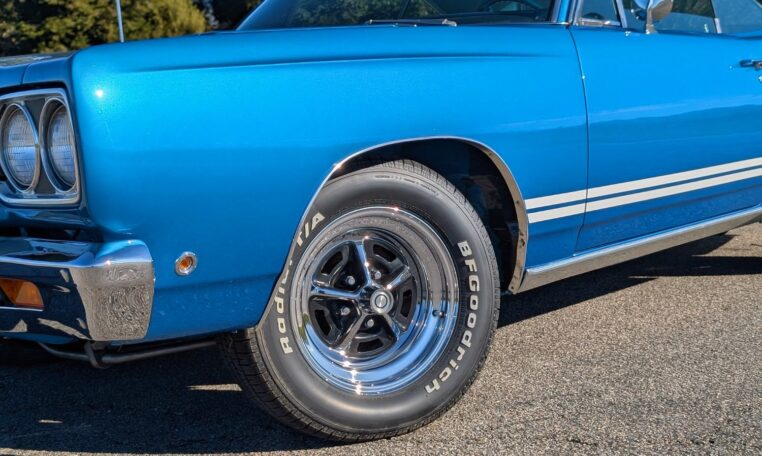
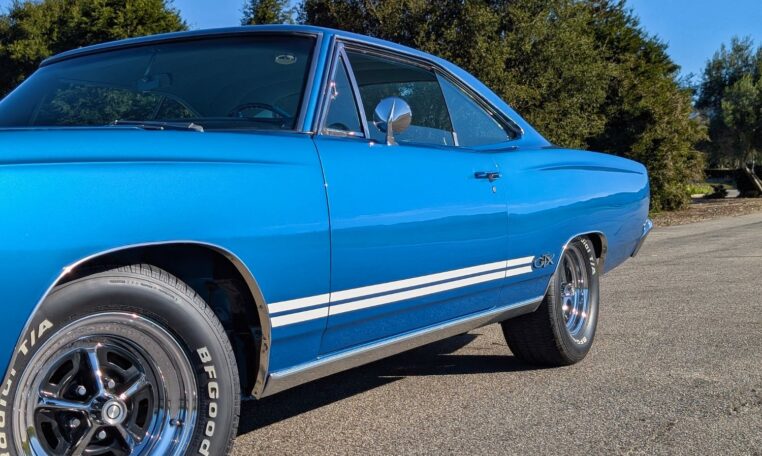
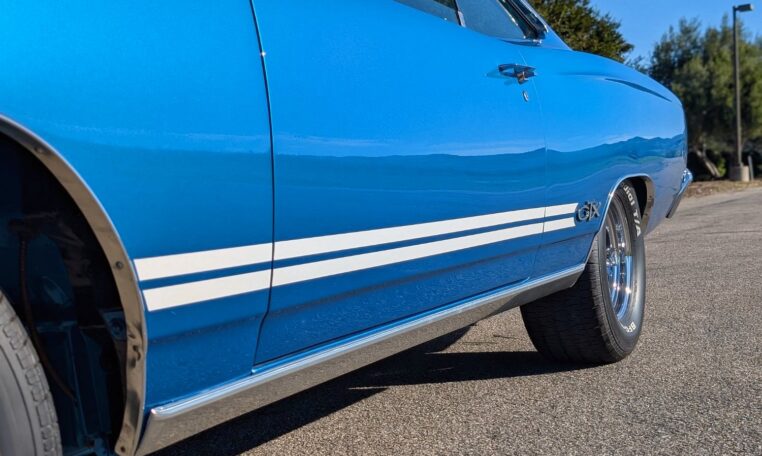
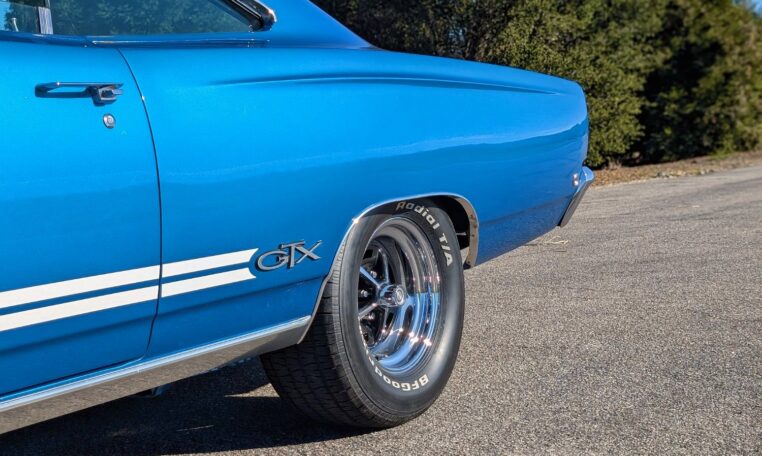
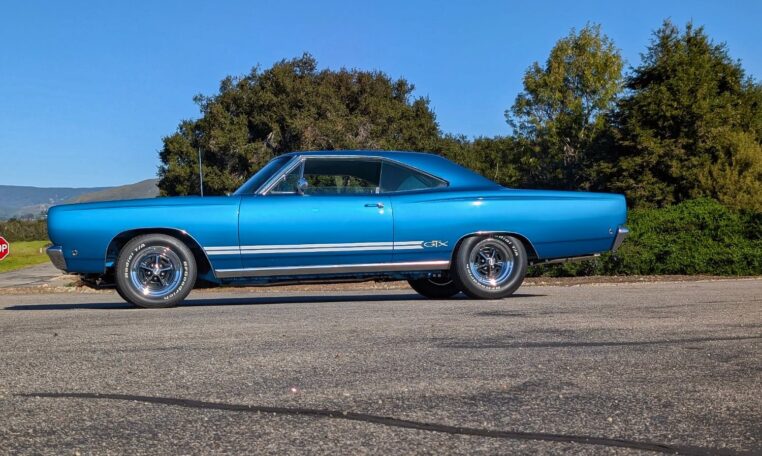
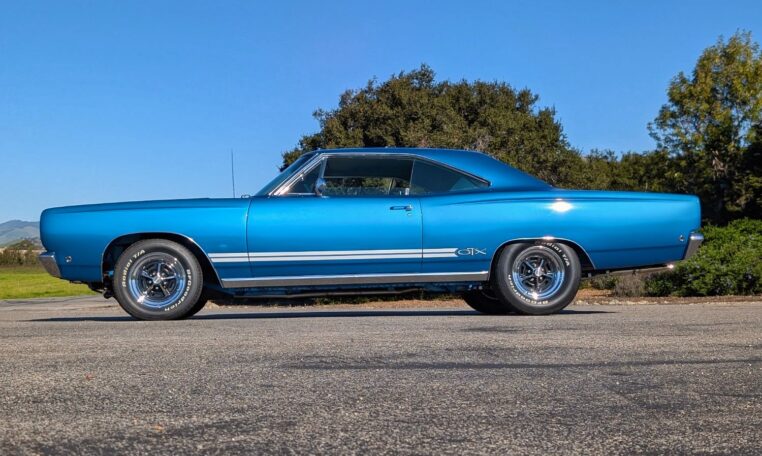
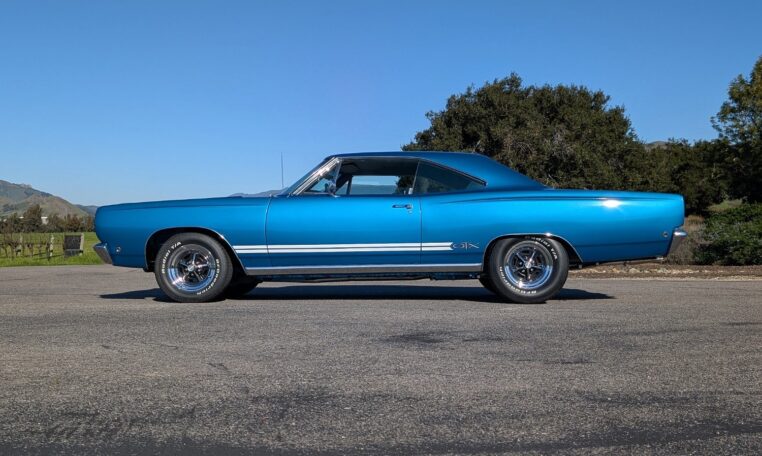
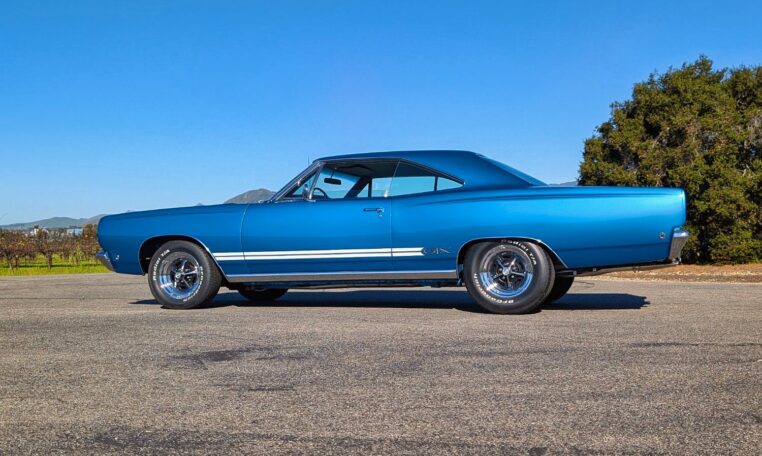
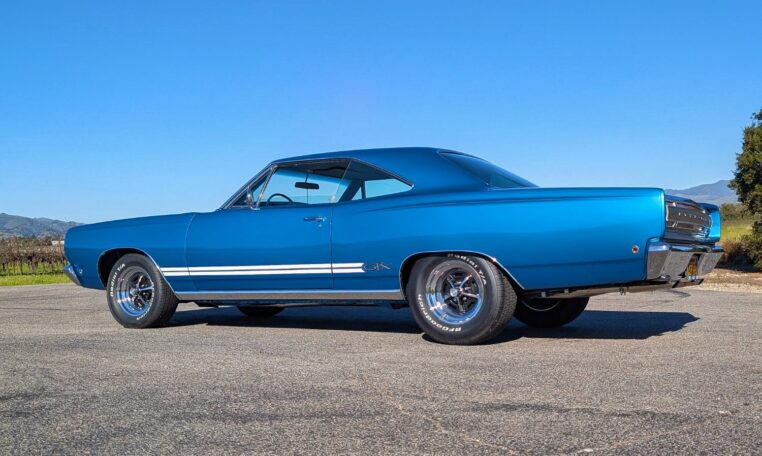
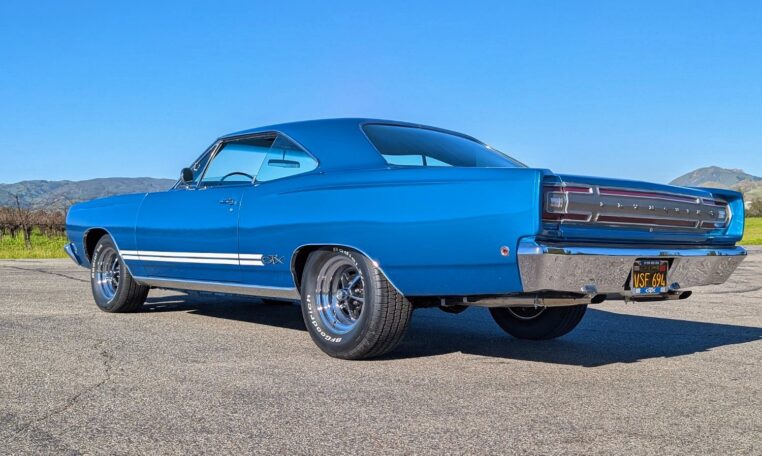
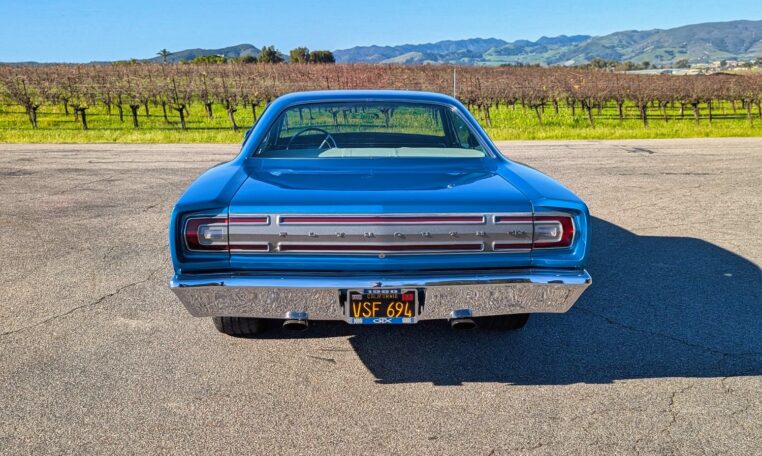
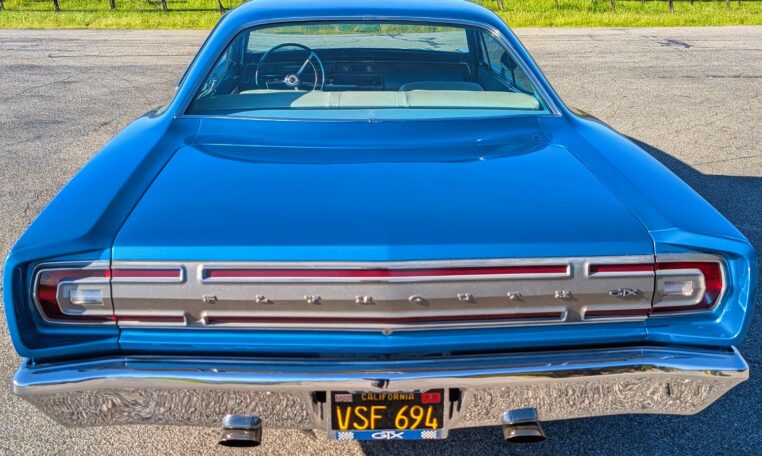
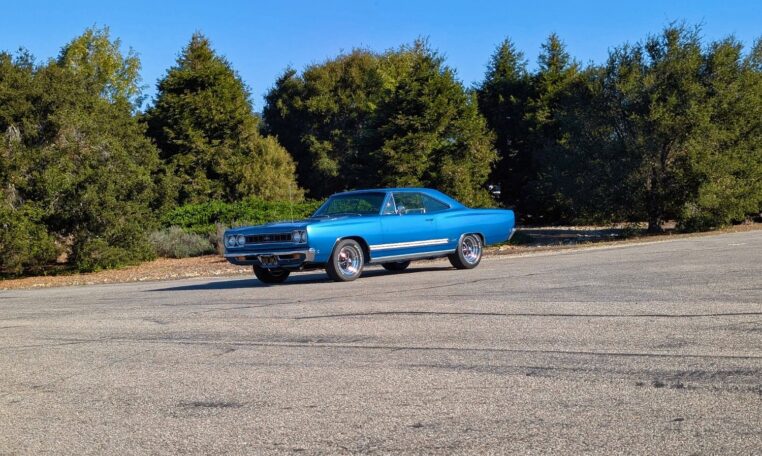
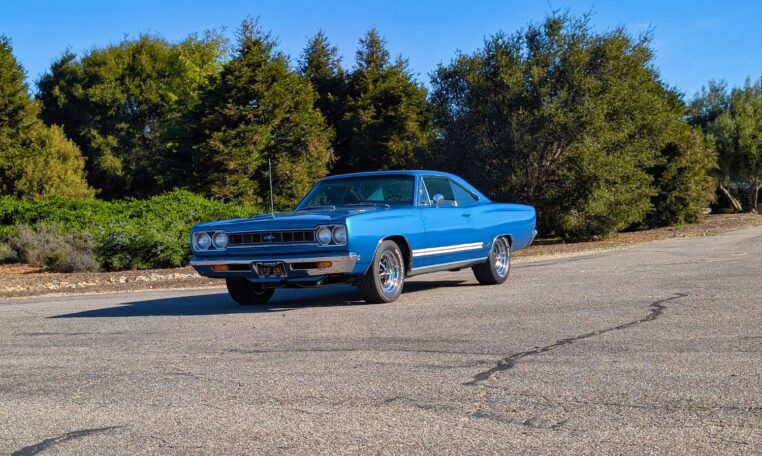
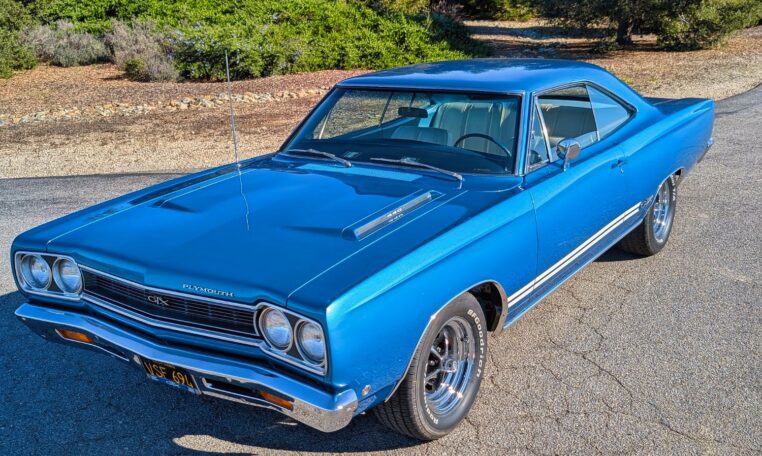
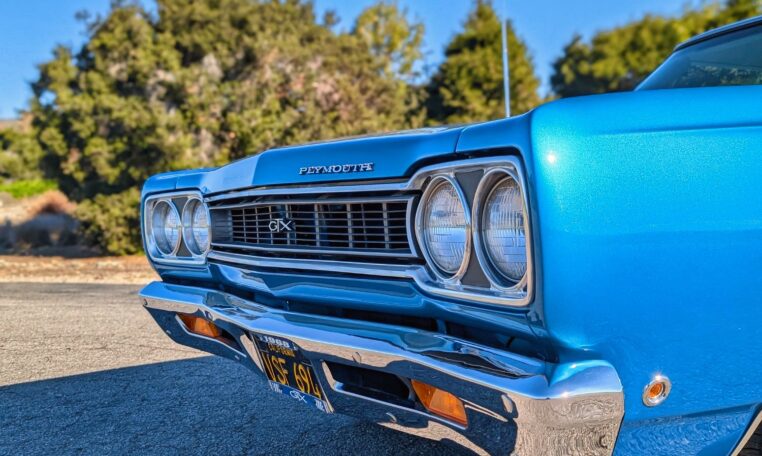
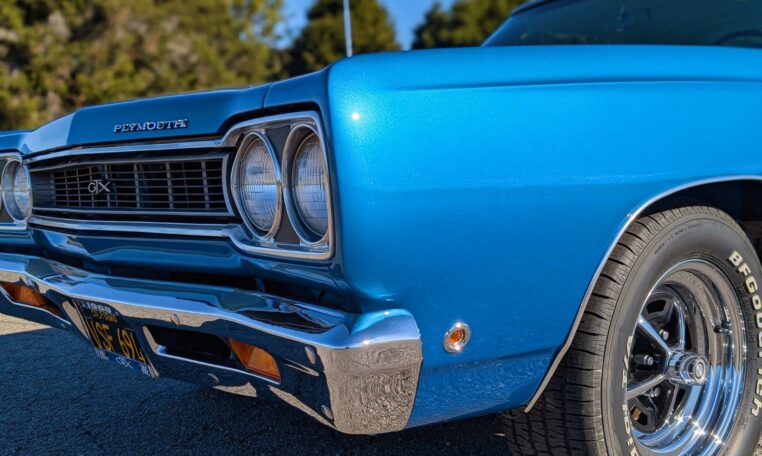
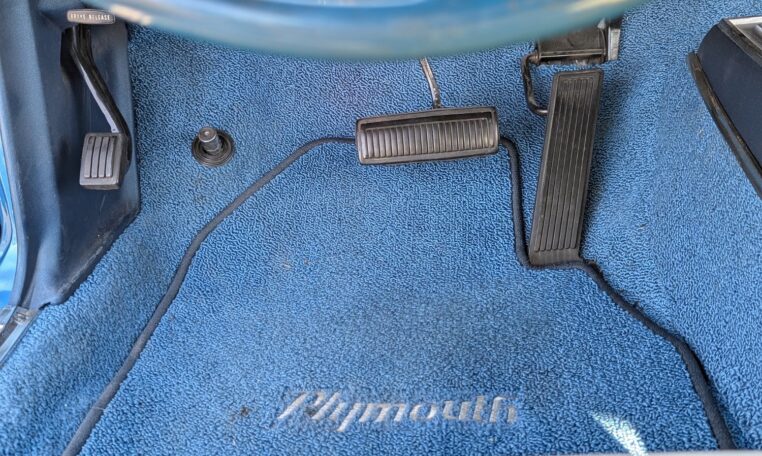
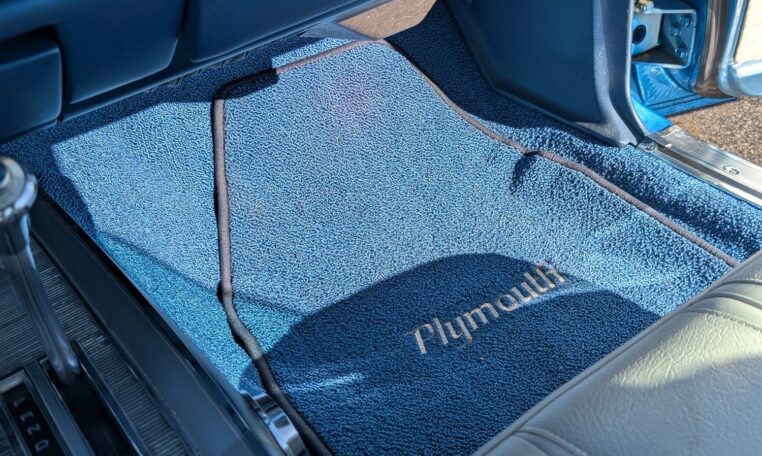
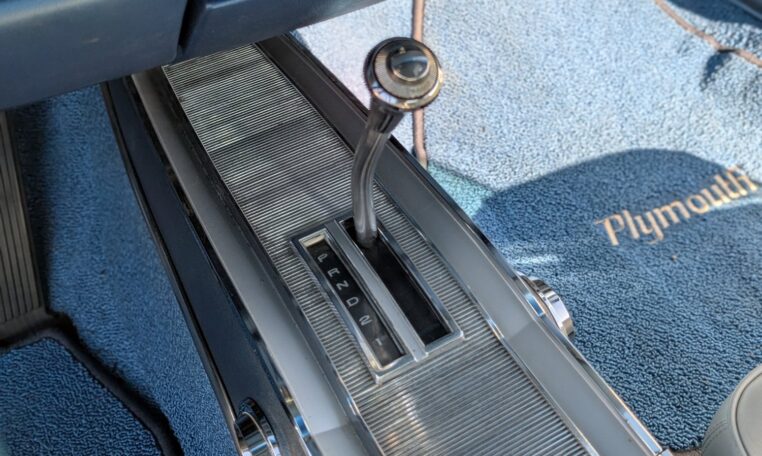
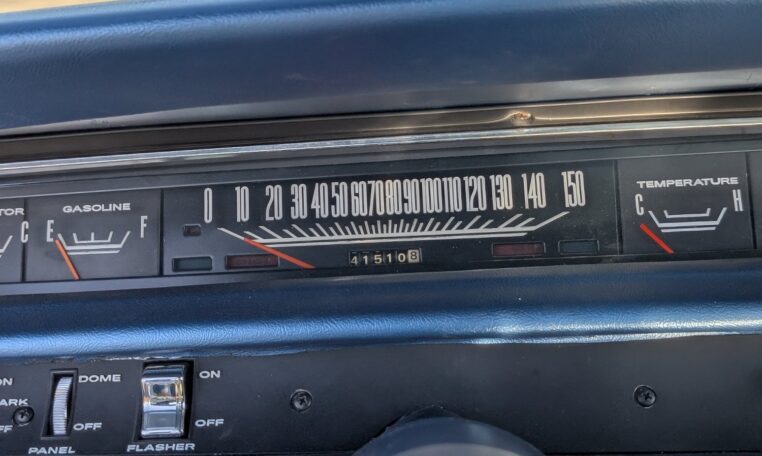
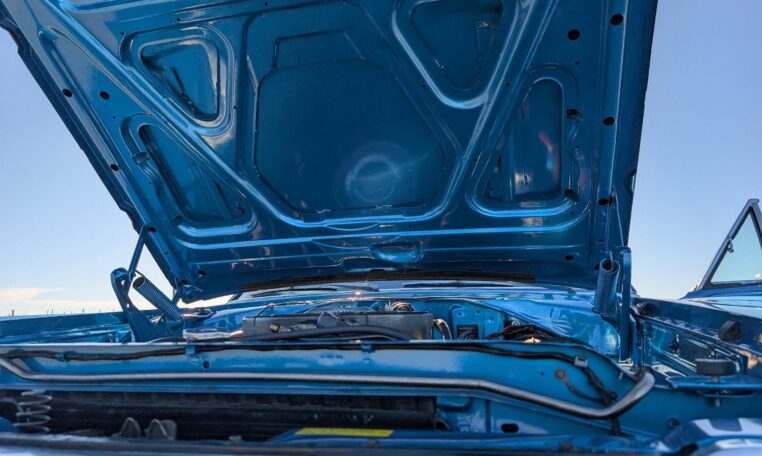
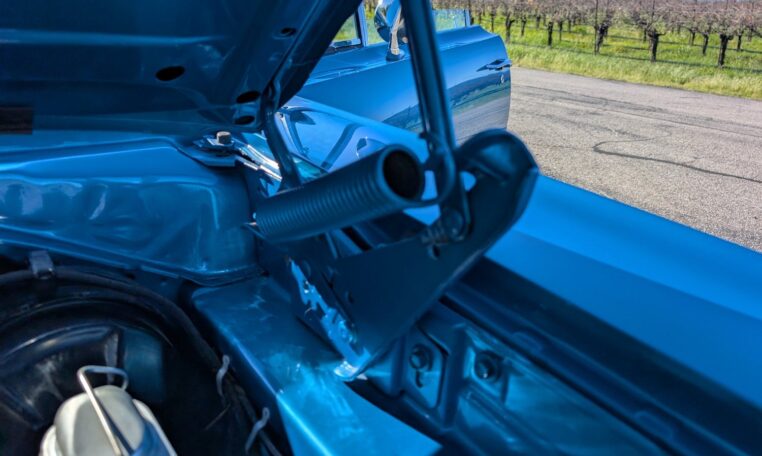
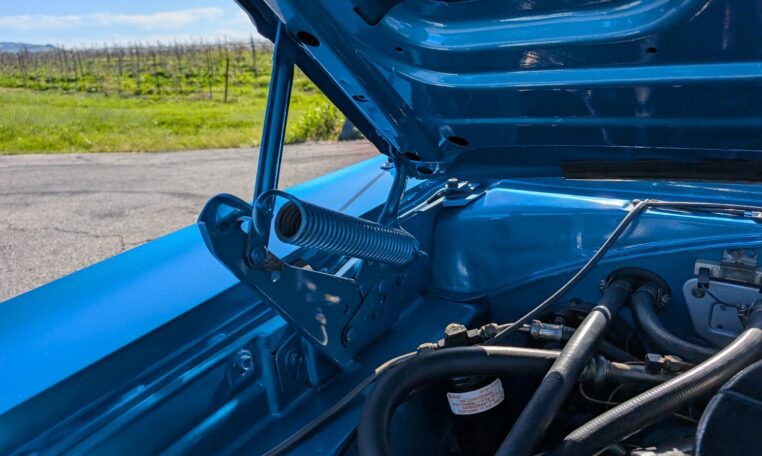
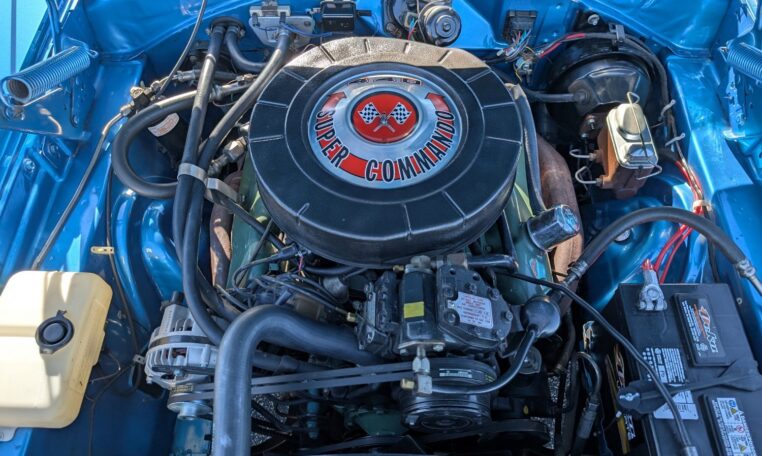
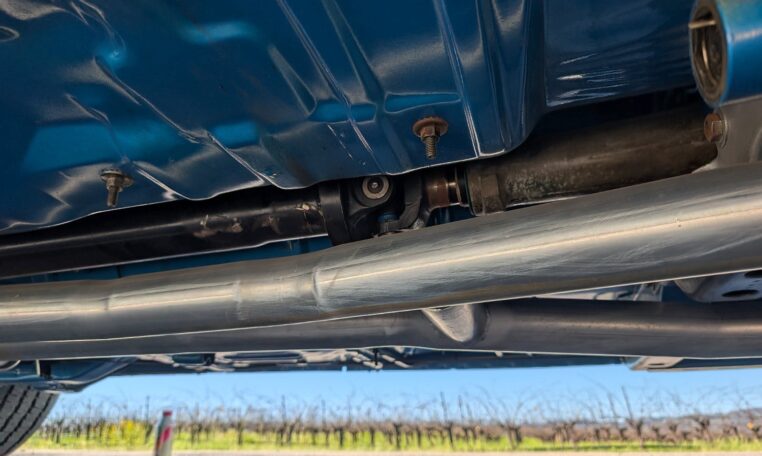
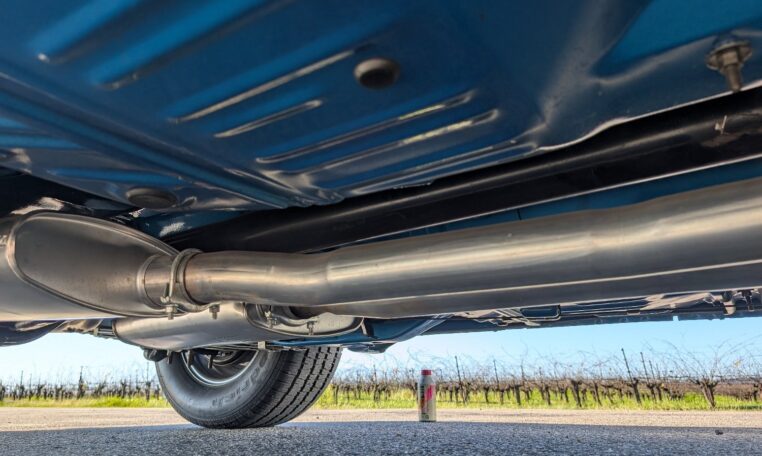
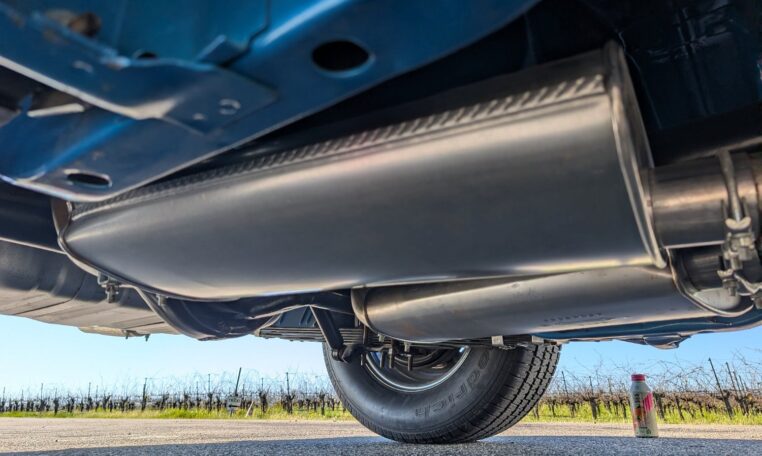
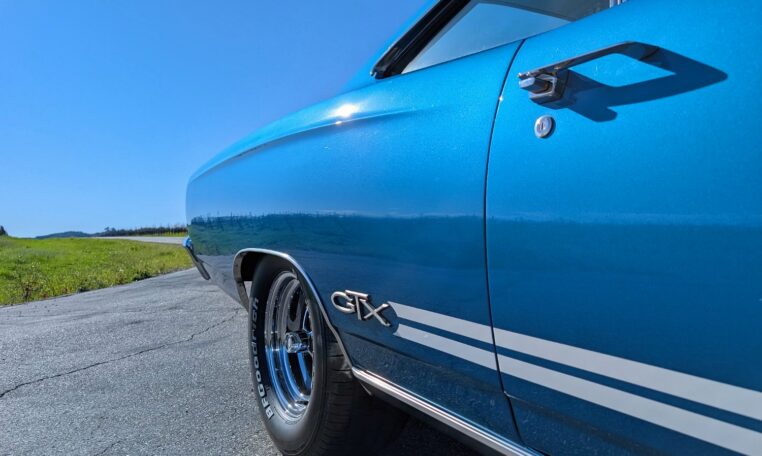
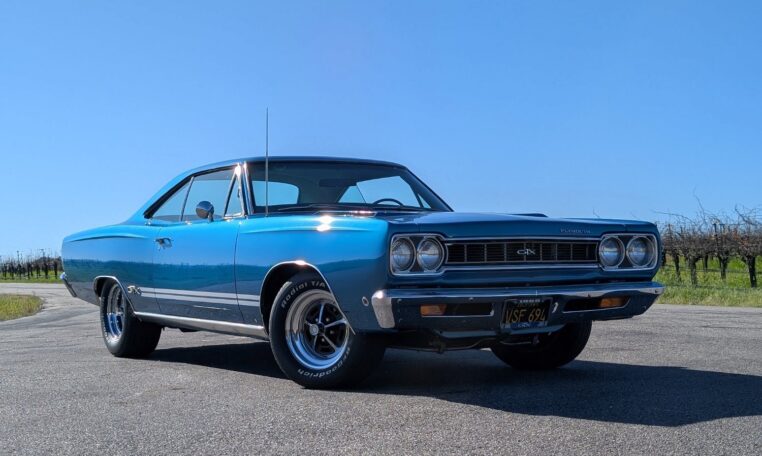
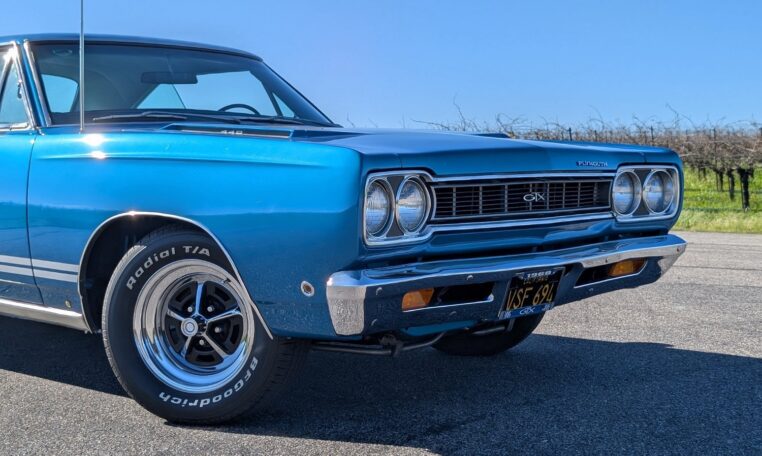
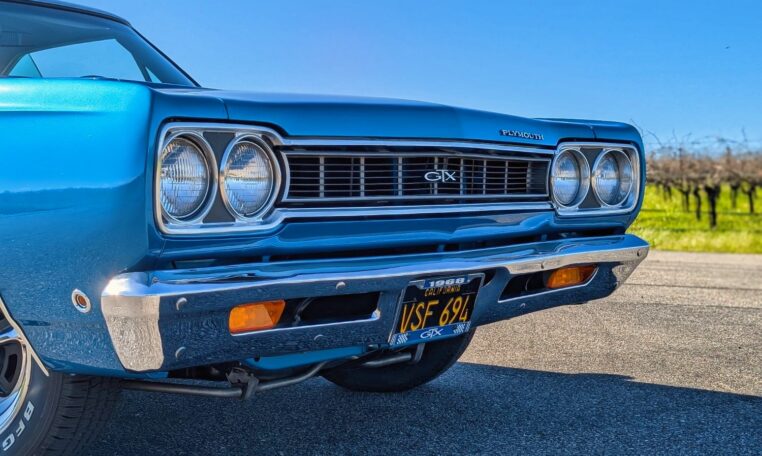
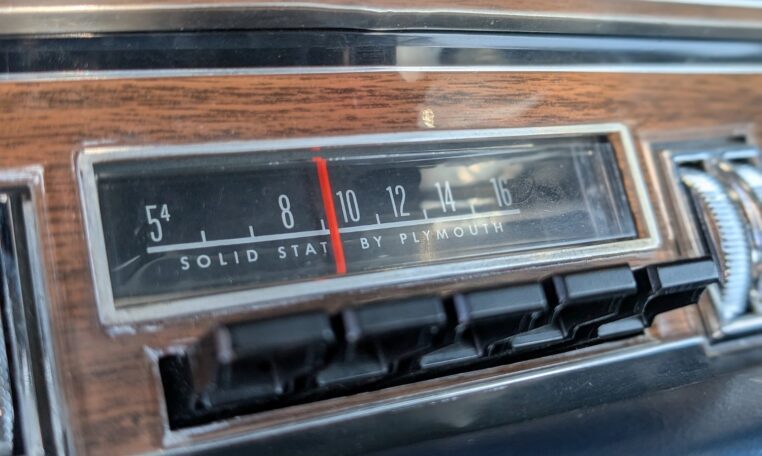
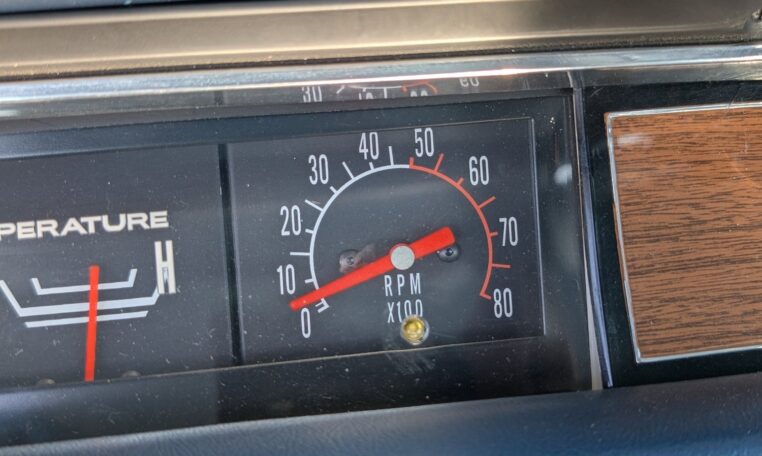
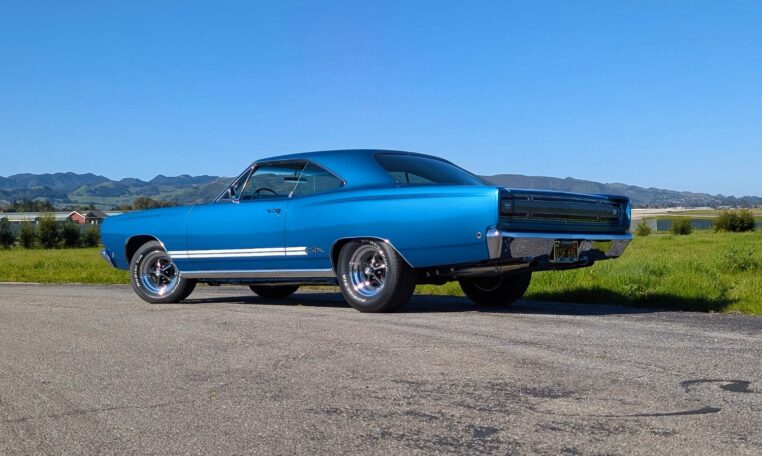
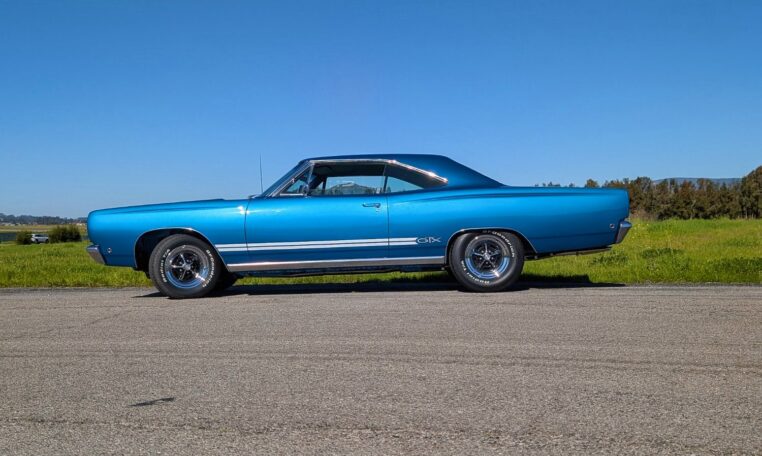
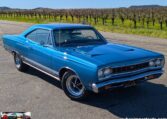
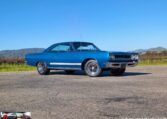
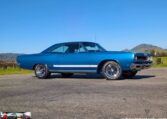
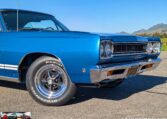
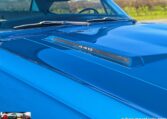
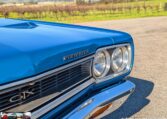
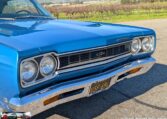
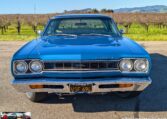
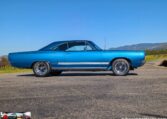
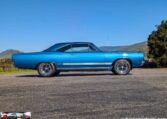
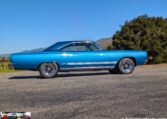
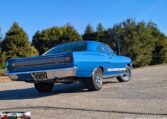
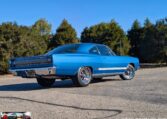
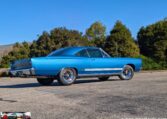
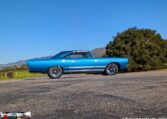
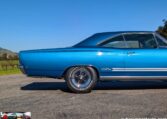
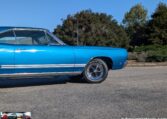
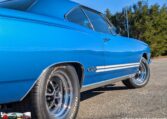
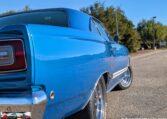
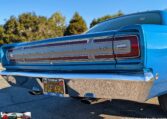
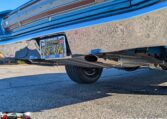
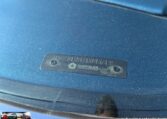
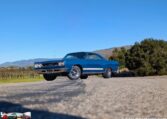
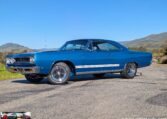
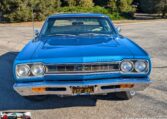
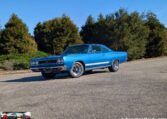
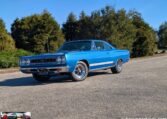
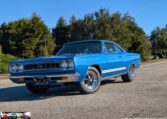
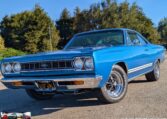
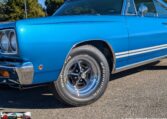
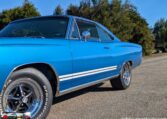
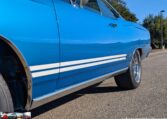
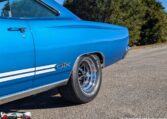
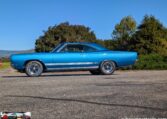
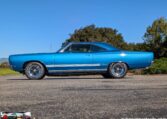
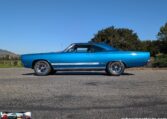
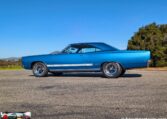
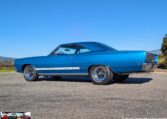
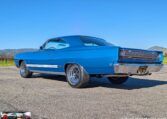
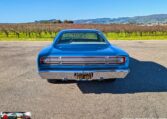
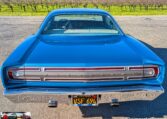
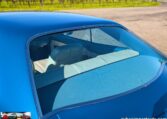
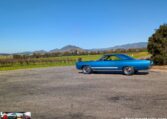
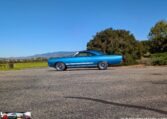
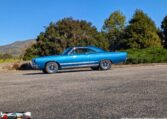
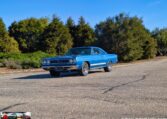
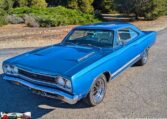
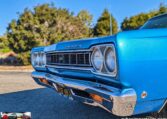
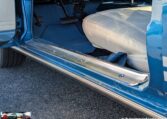
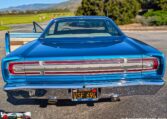
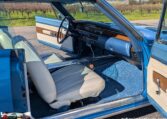
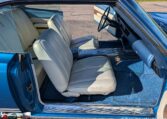
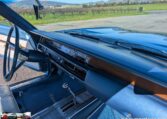
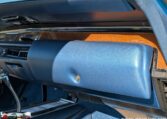
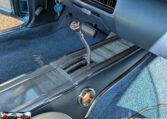
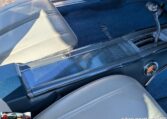
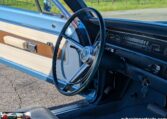
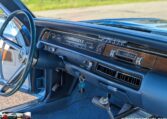
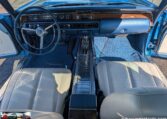
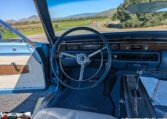
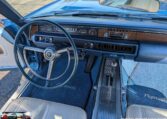
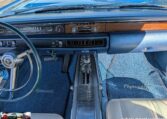
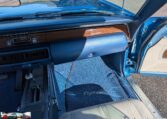
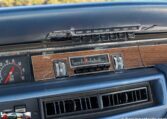
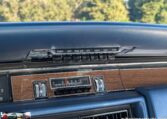
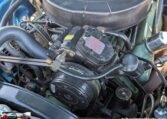
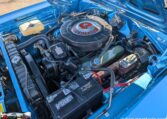
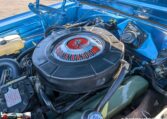
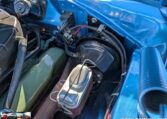
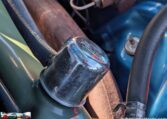
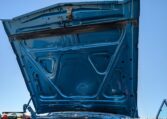
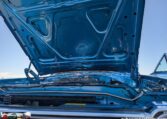
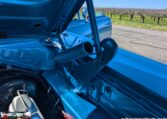
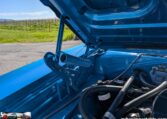
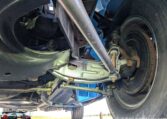
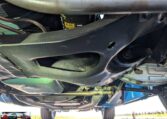
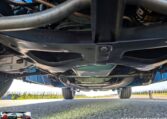
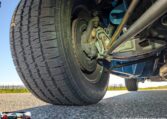
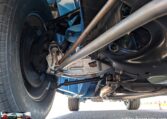
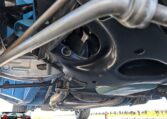
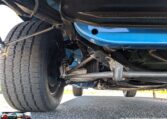
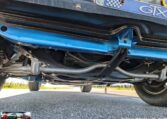
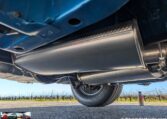
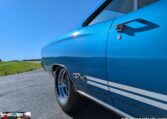
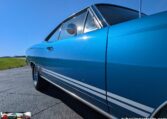
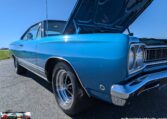
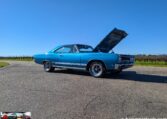
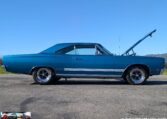
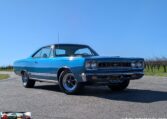
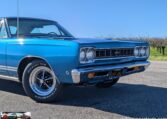
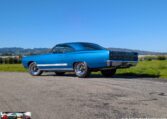
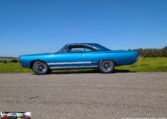
1968 Plymouth GTX Magnum 440-cid V8 727 Torqueflite 3-Spd Auto 375HP/480 LB-FT
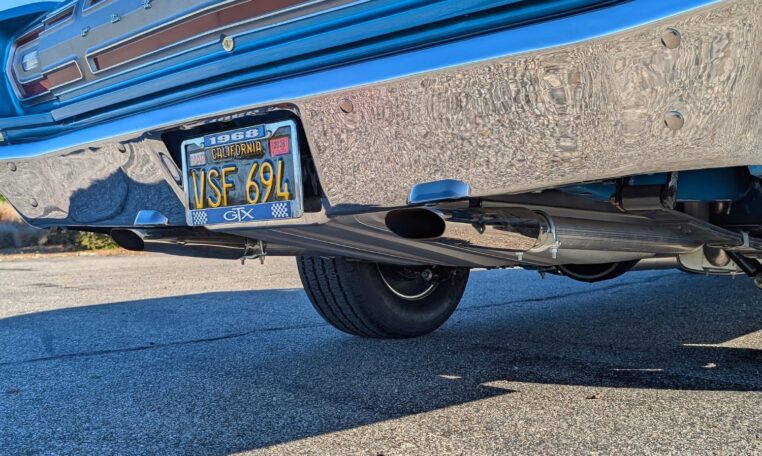
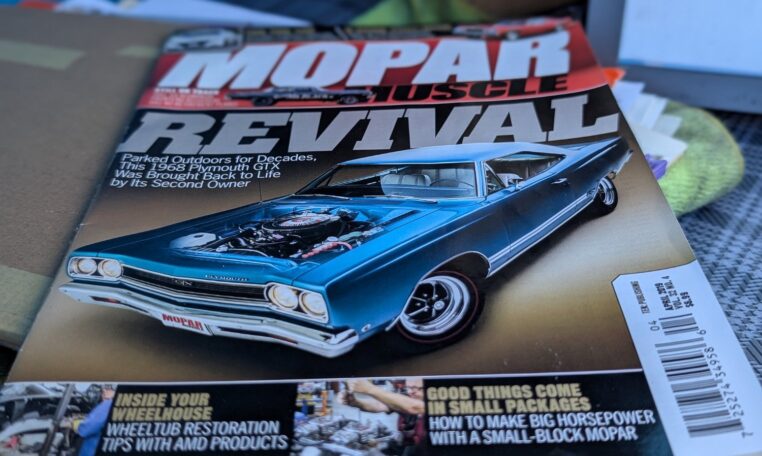
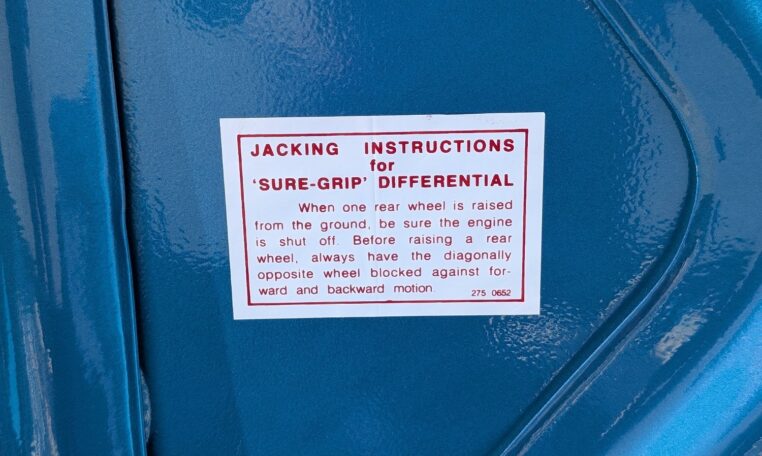
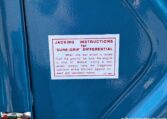
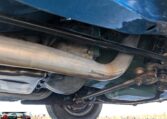
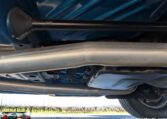
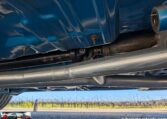
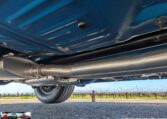
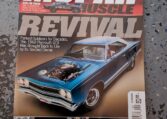
California GTX Produced/Owned- Two-Owner, Sure-Grip, Original CA Plates, Rotisserie Restored, #'s Matching- Original Miles-Full Documentation-Featured In Mopar Muscle!
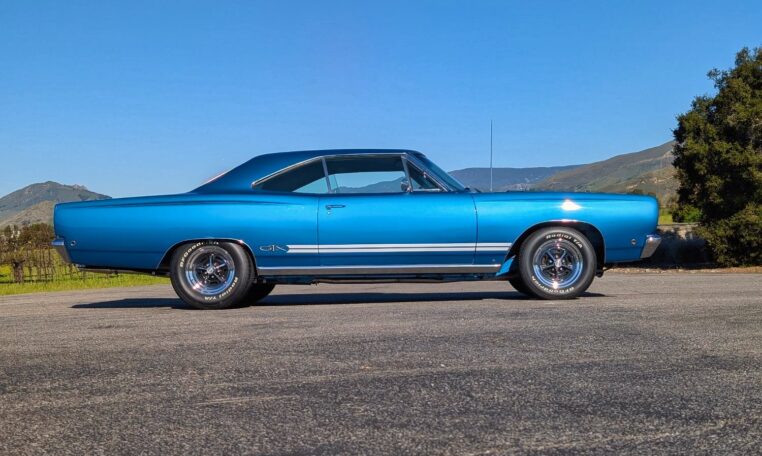
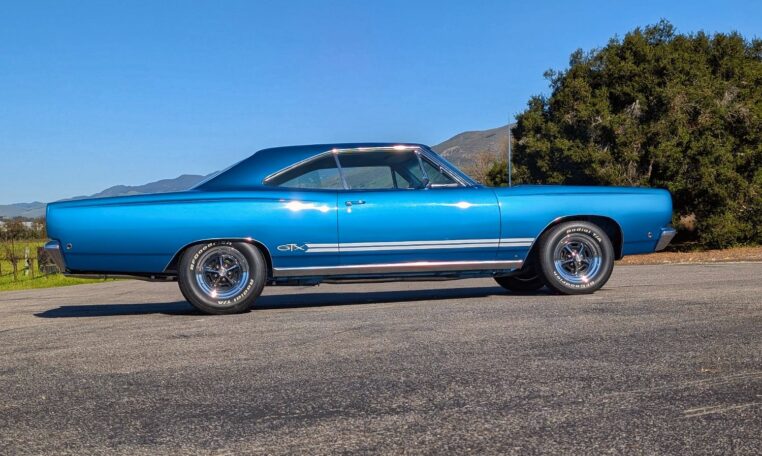
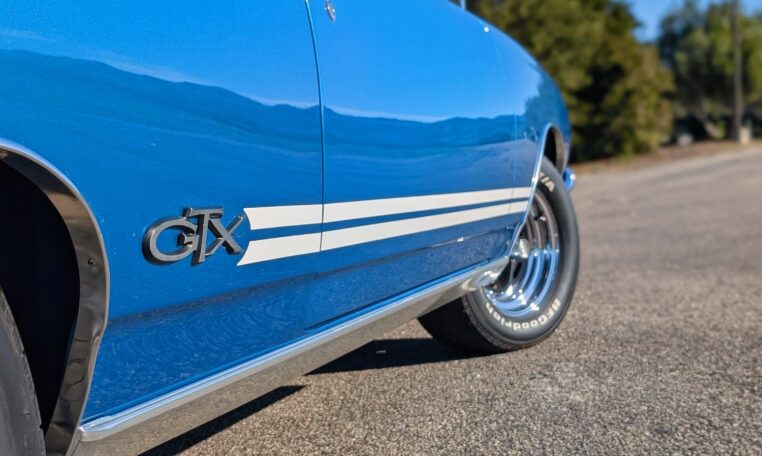
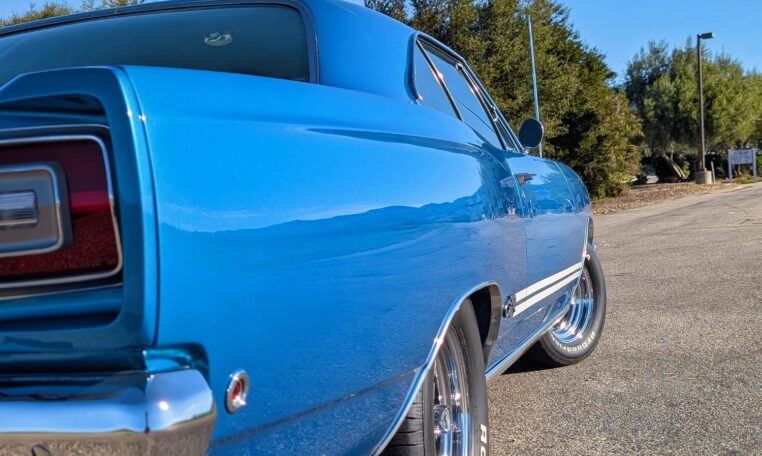
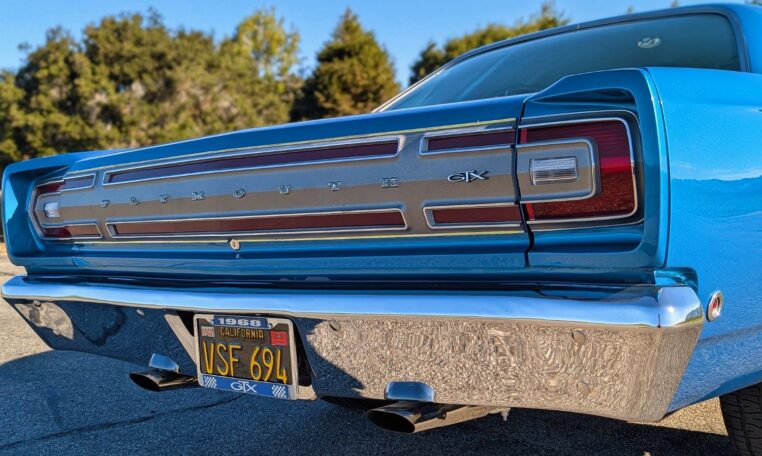
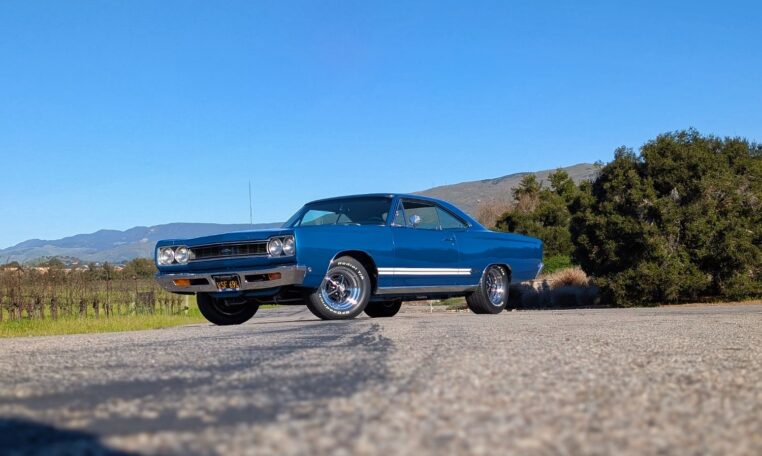
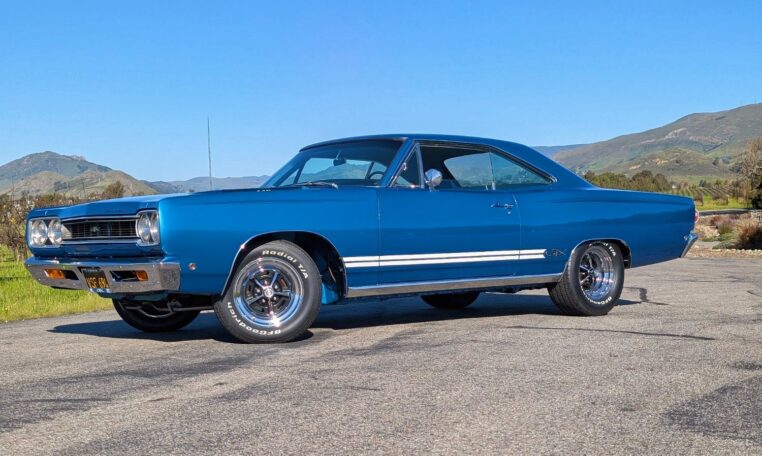
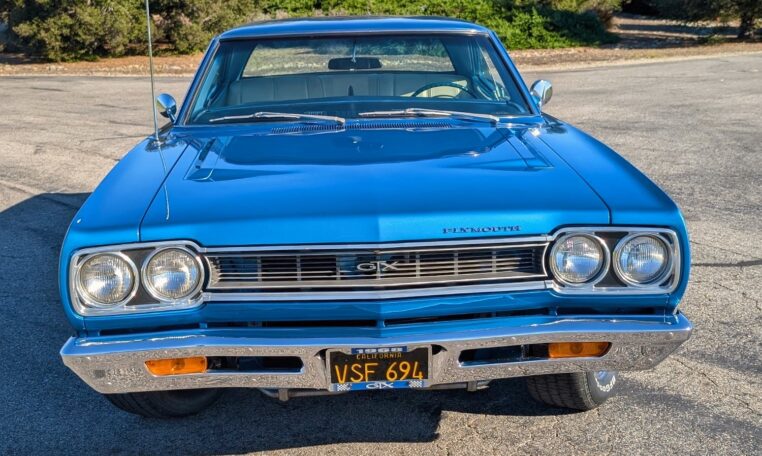
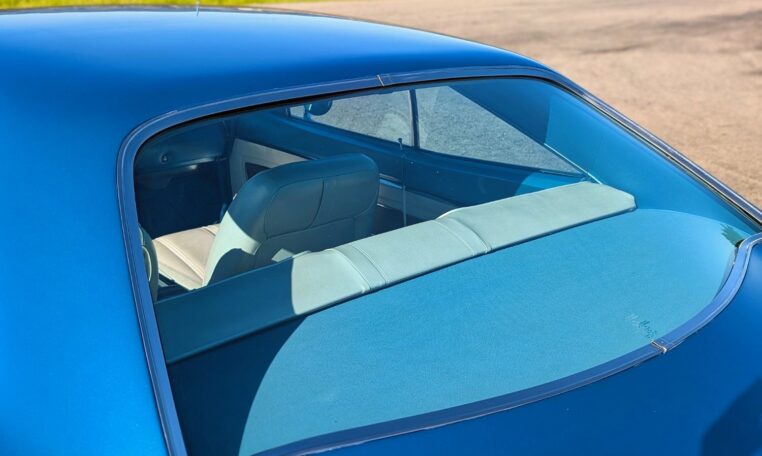
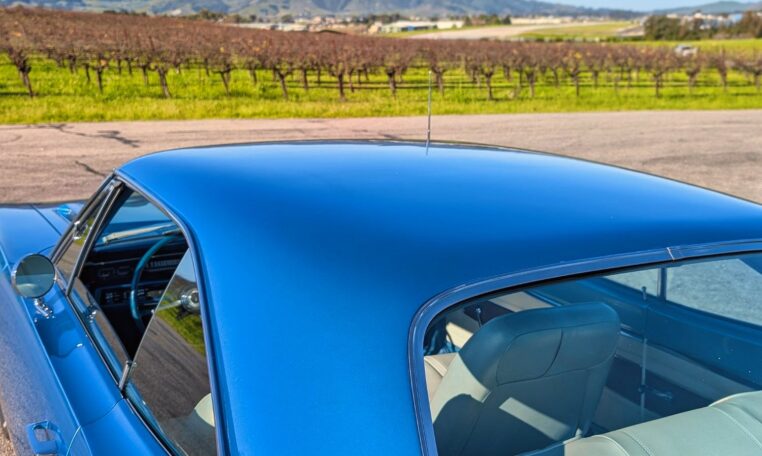
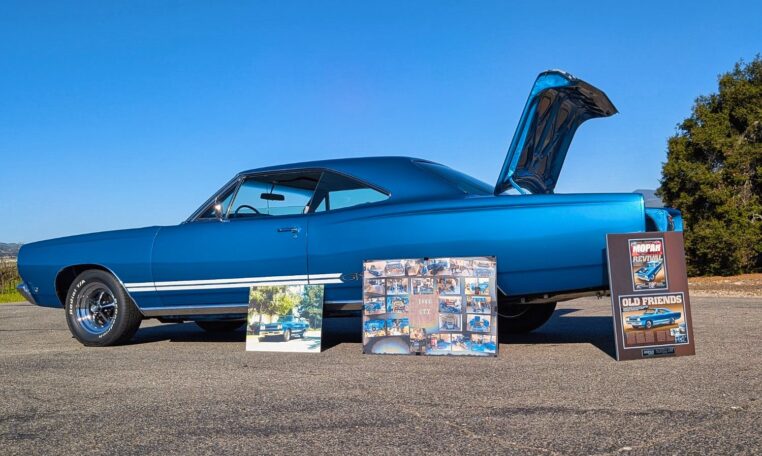
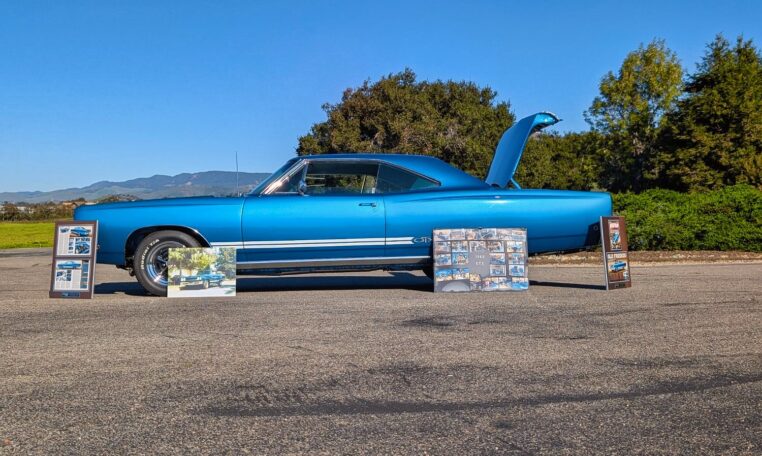
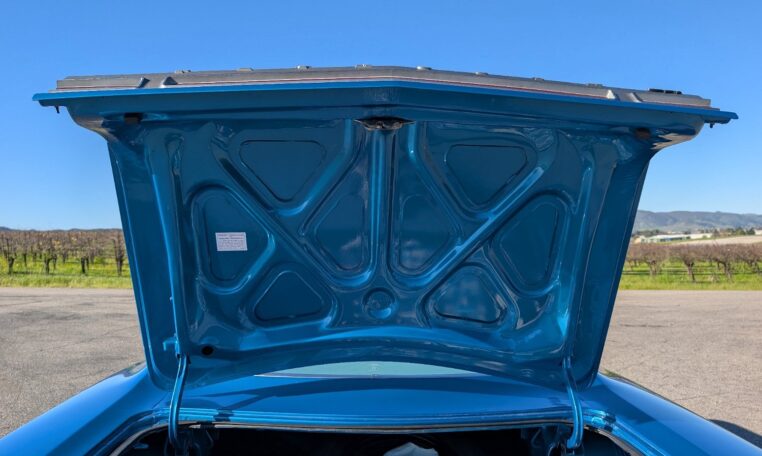
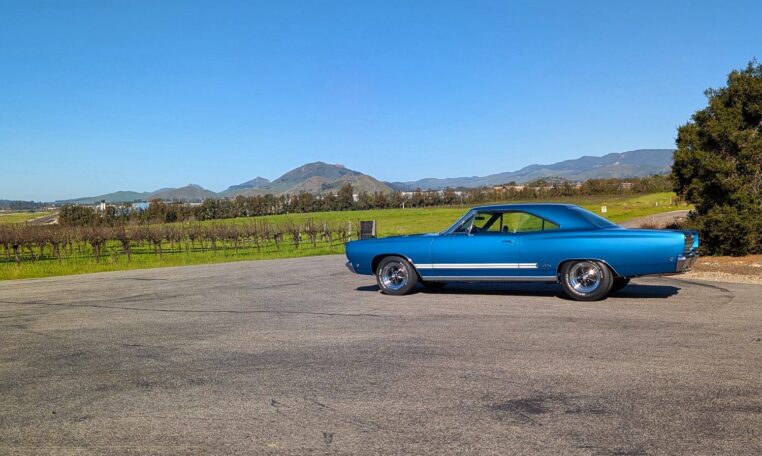
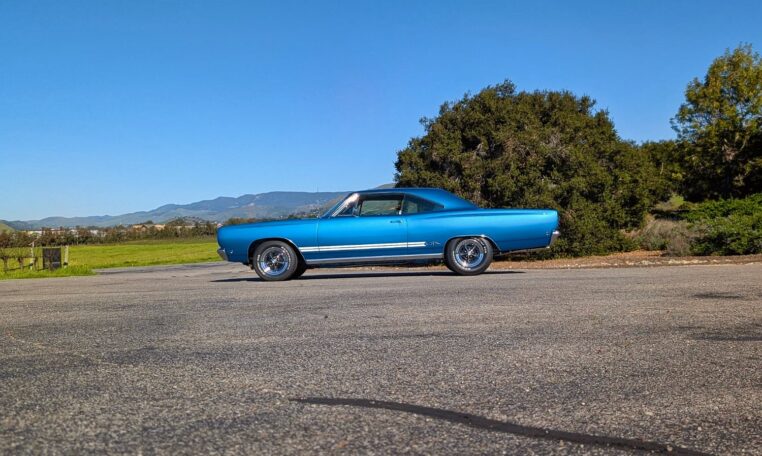
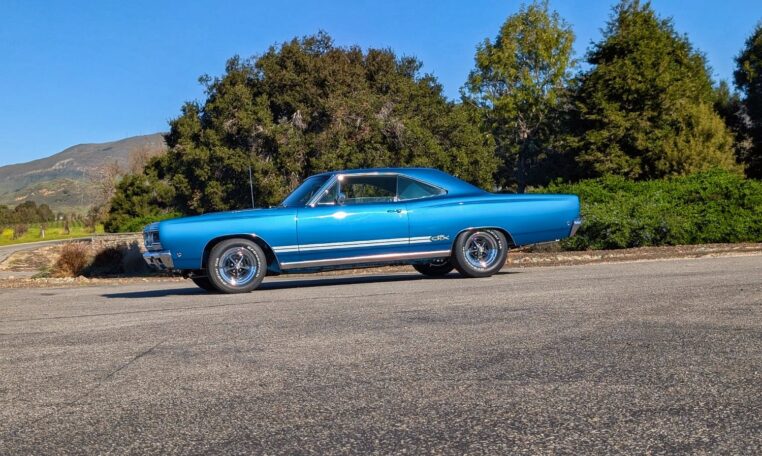
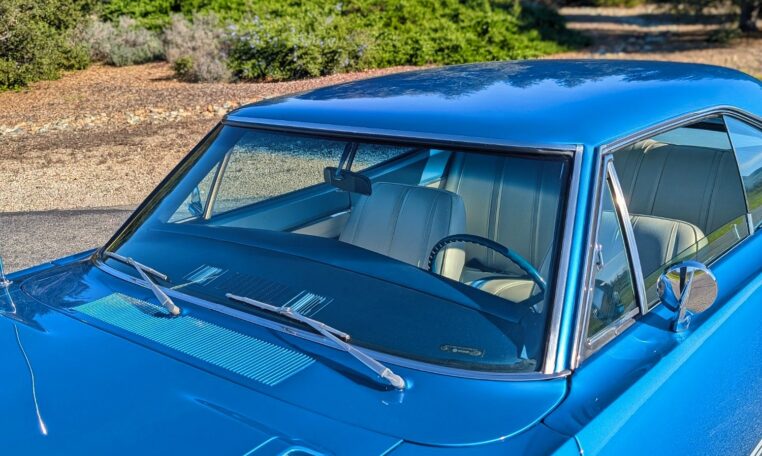
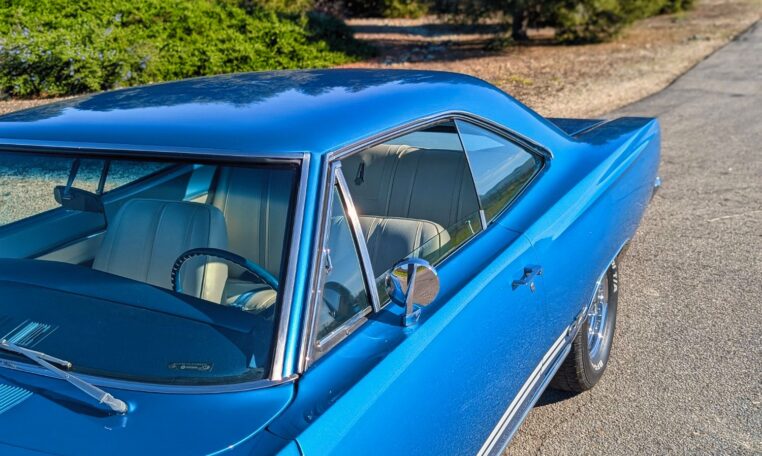
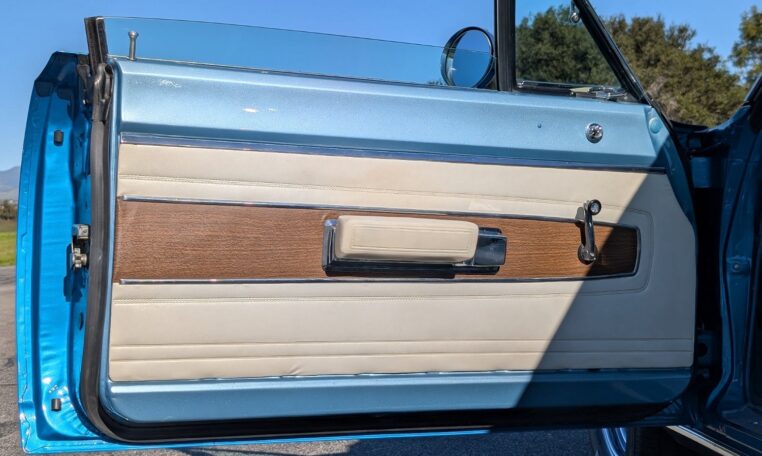
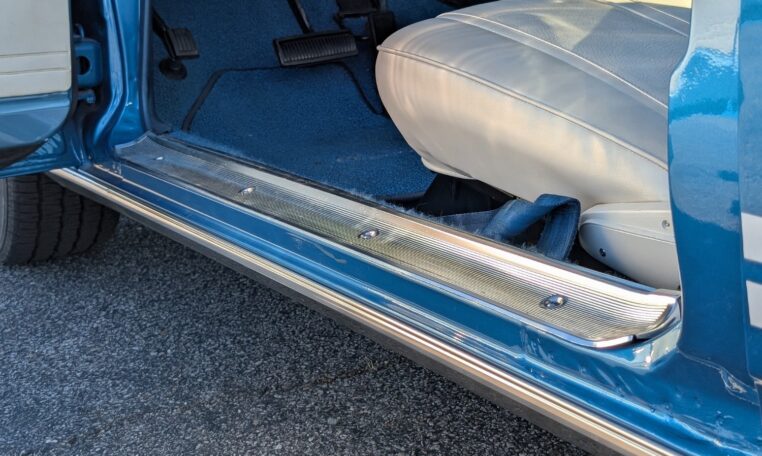
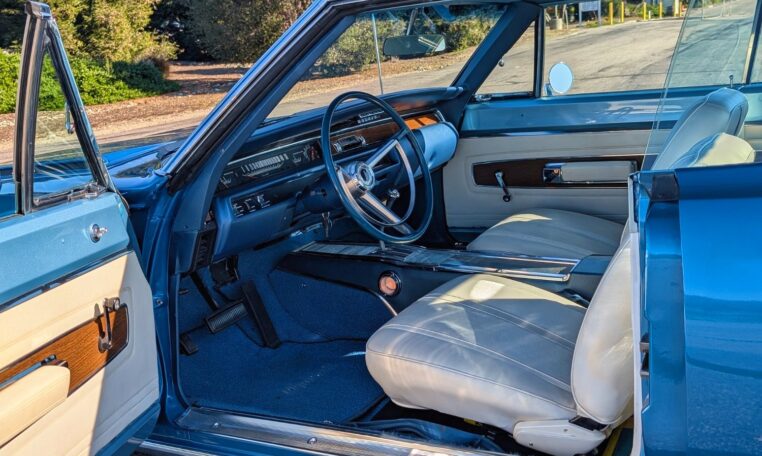
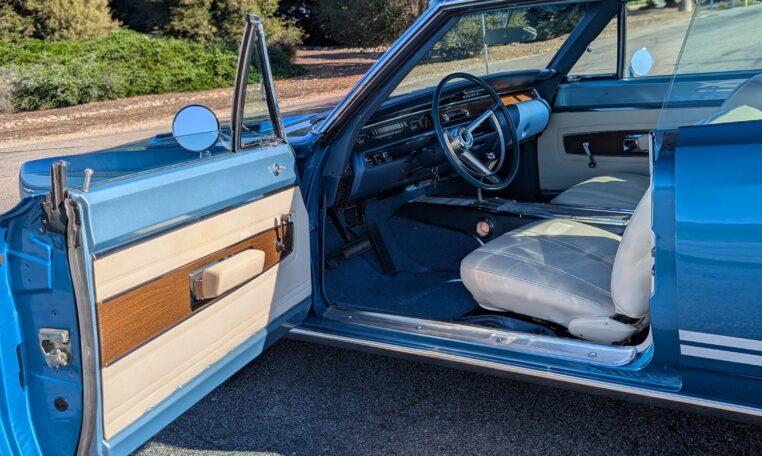
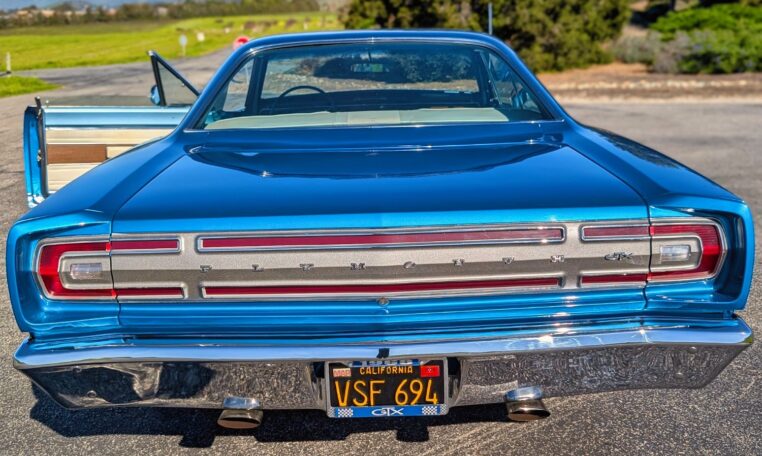
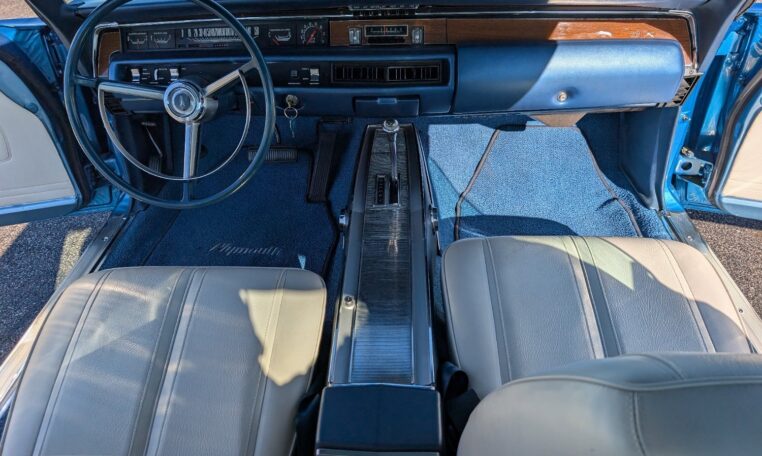
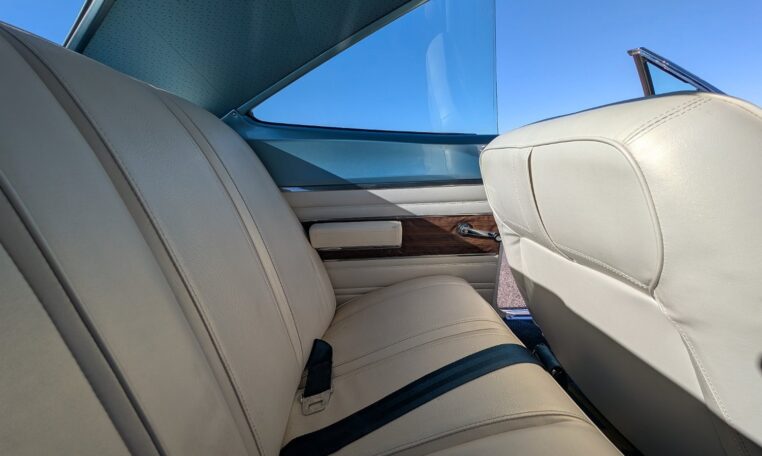
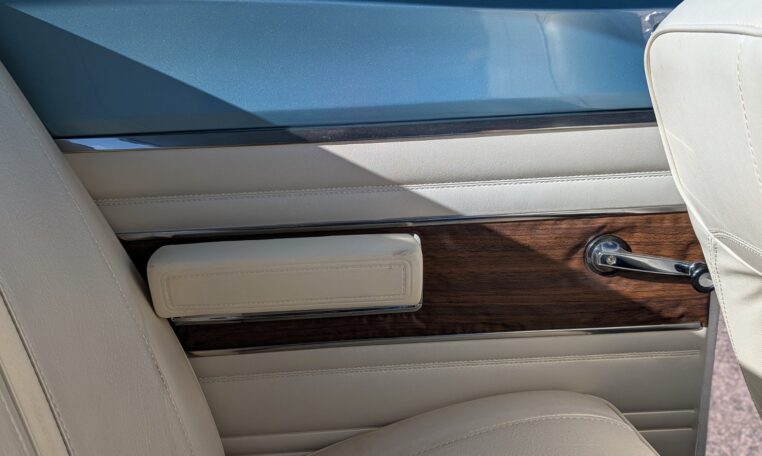
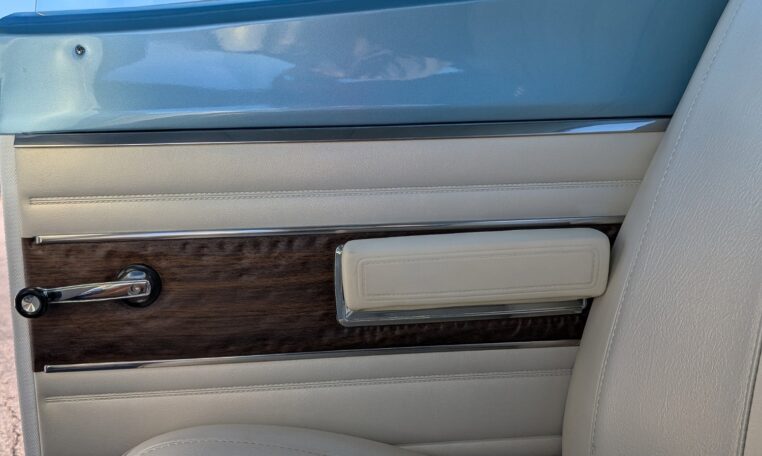
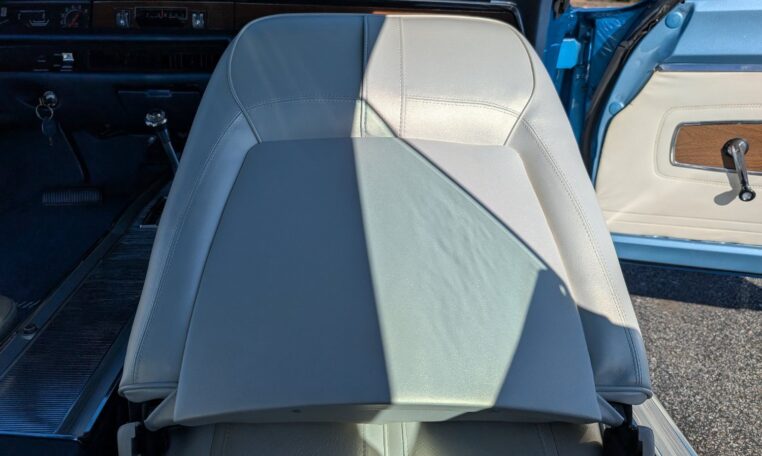
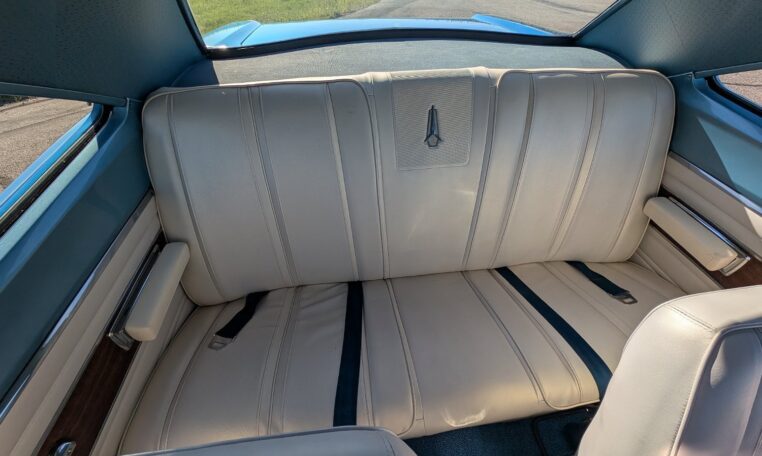
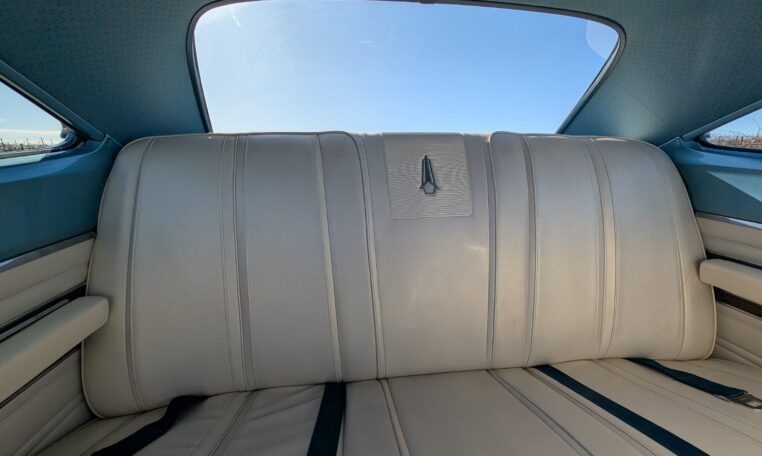
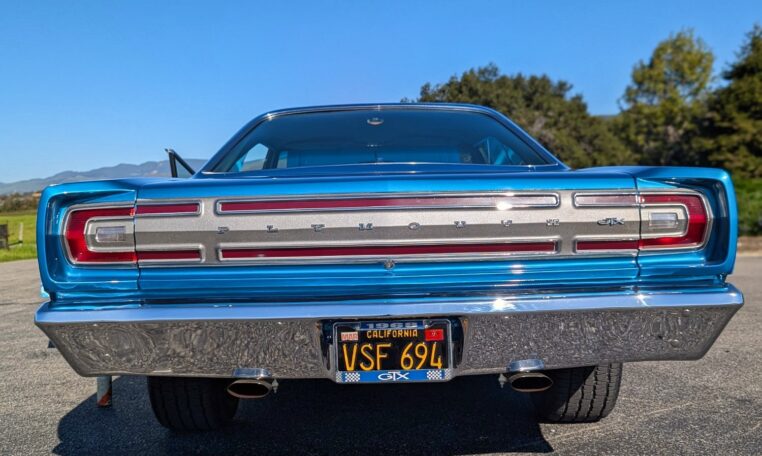
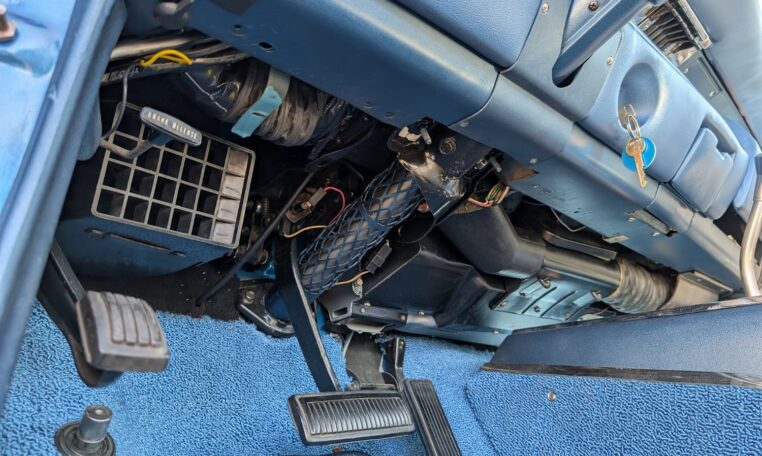
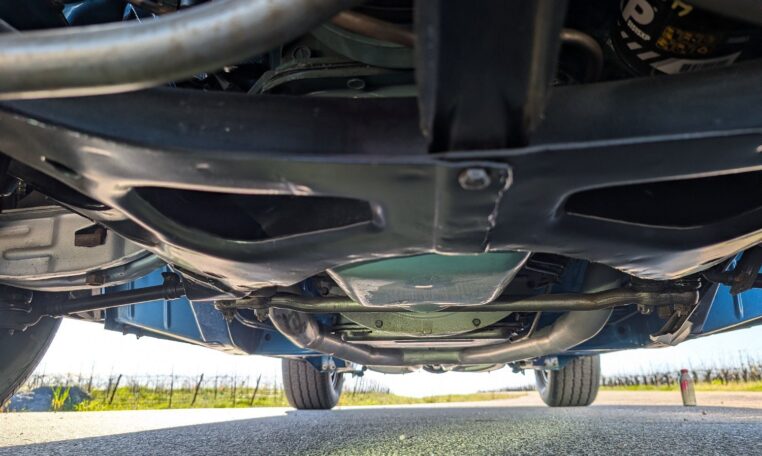
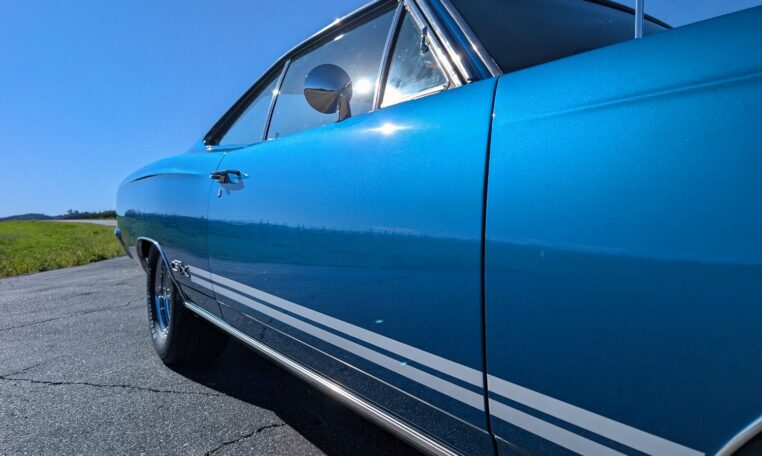
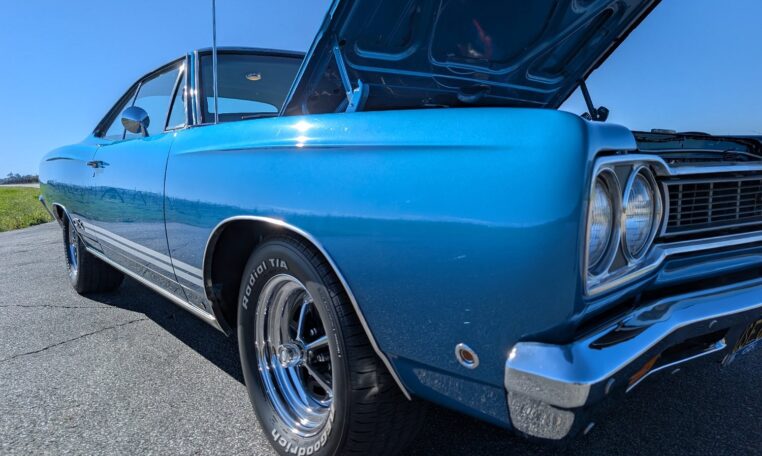
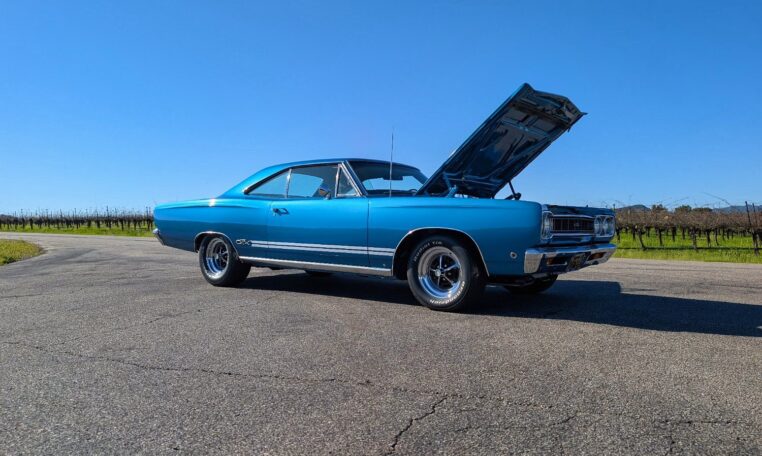
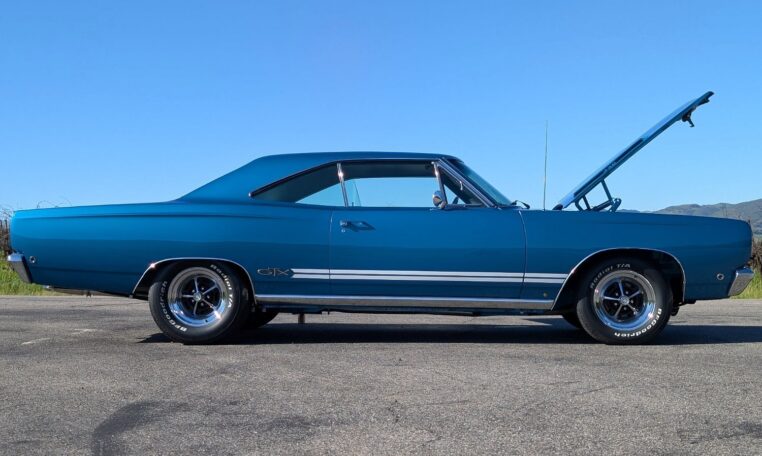
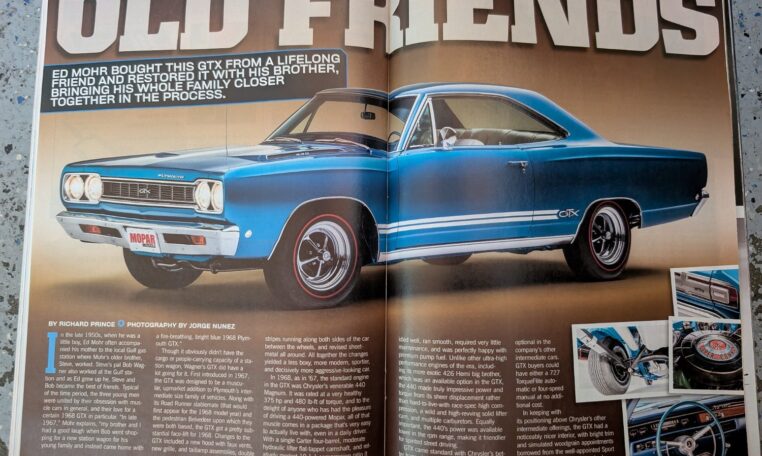
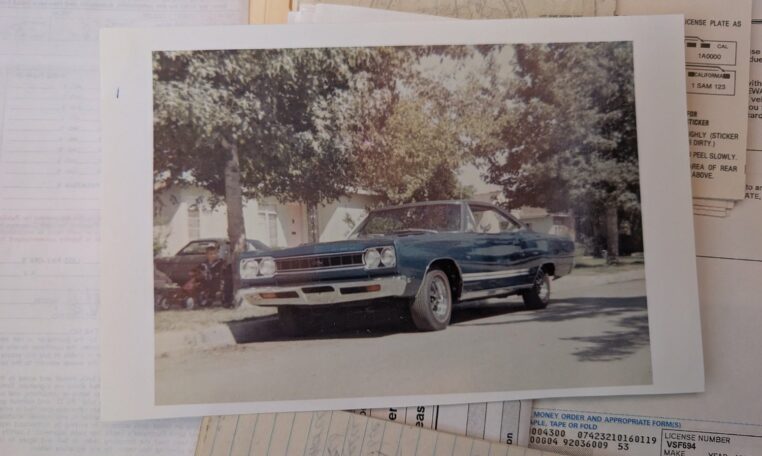
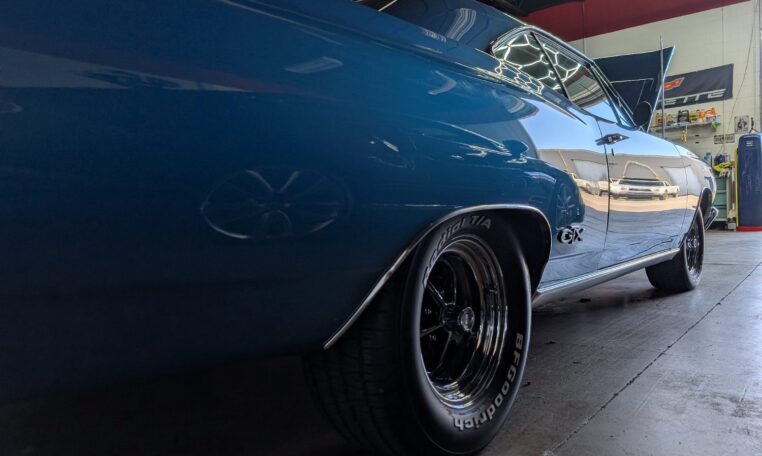
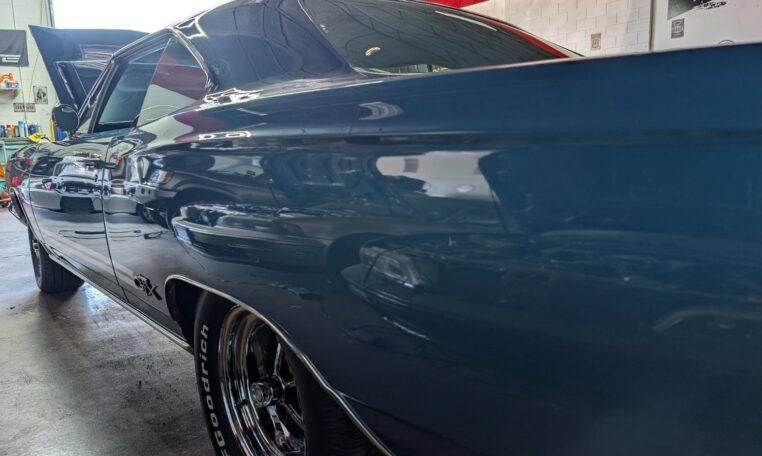
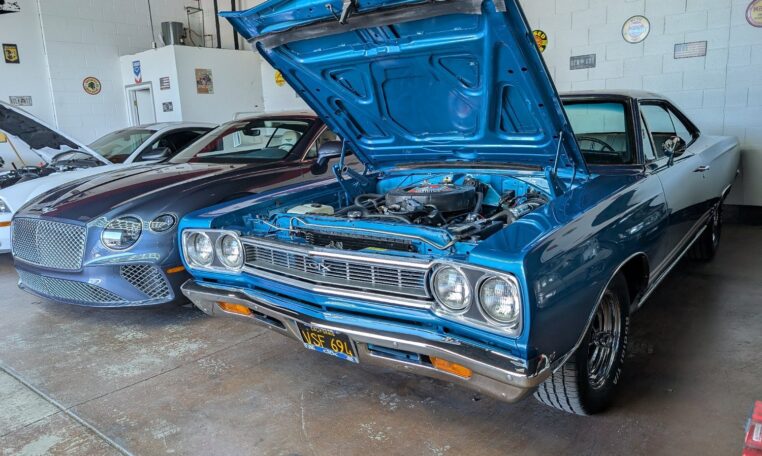
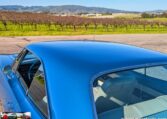
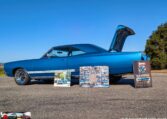
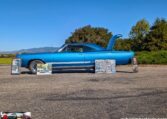
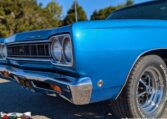
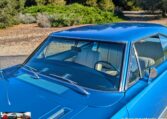
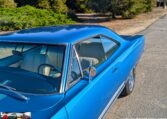
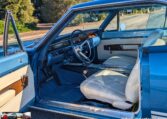
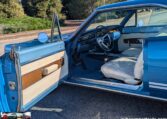
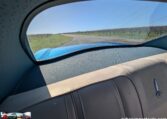
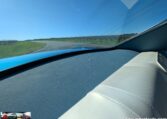
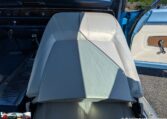
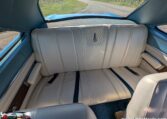
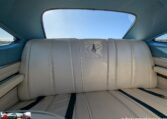
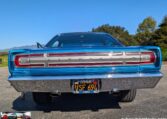
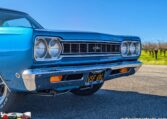
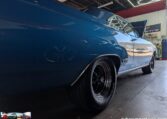
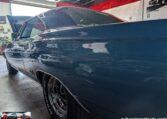
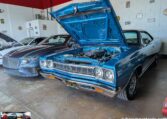
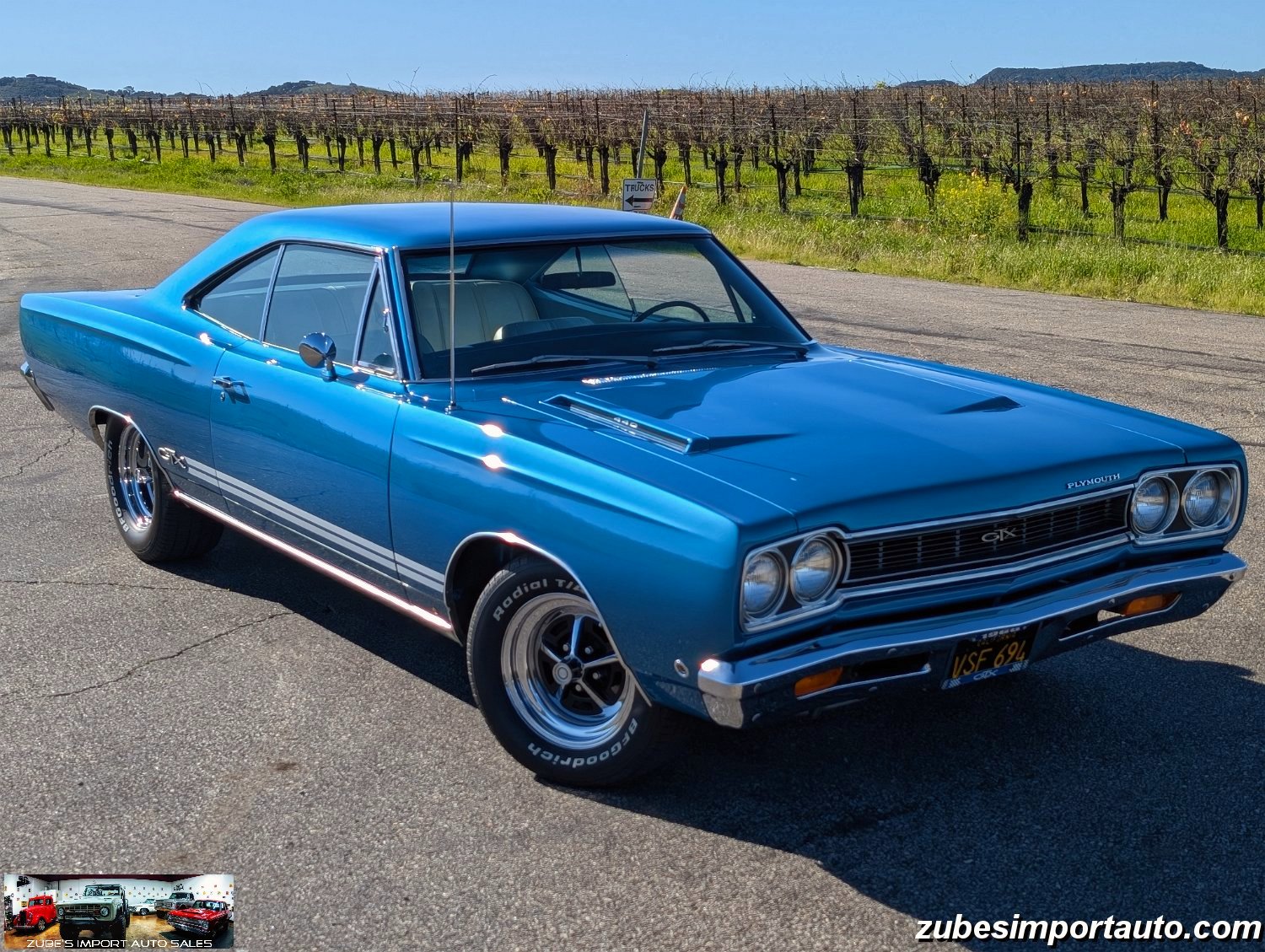
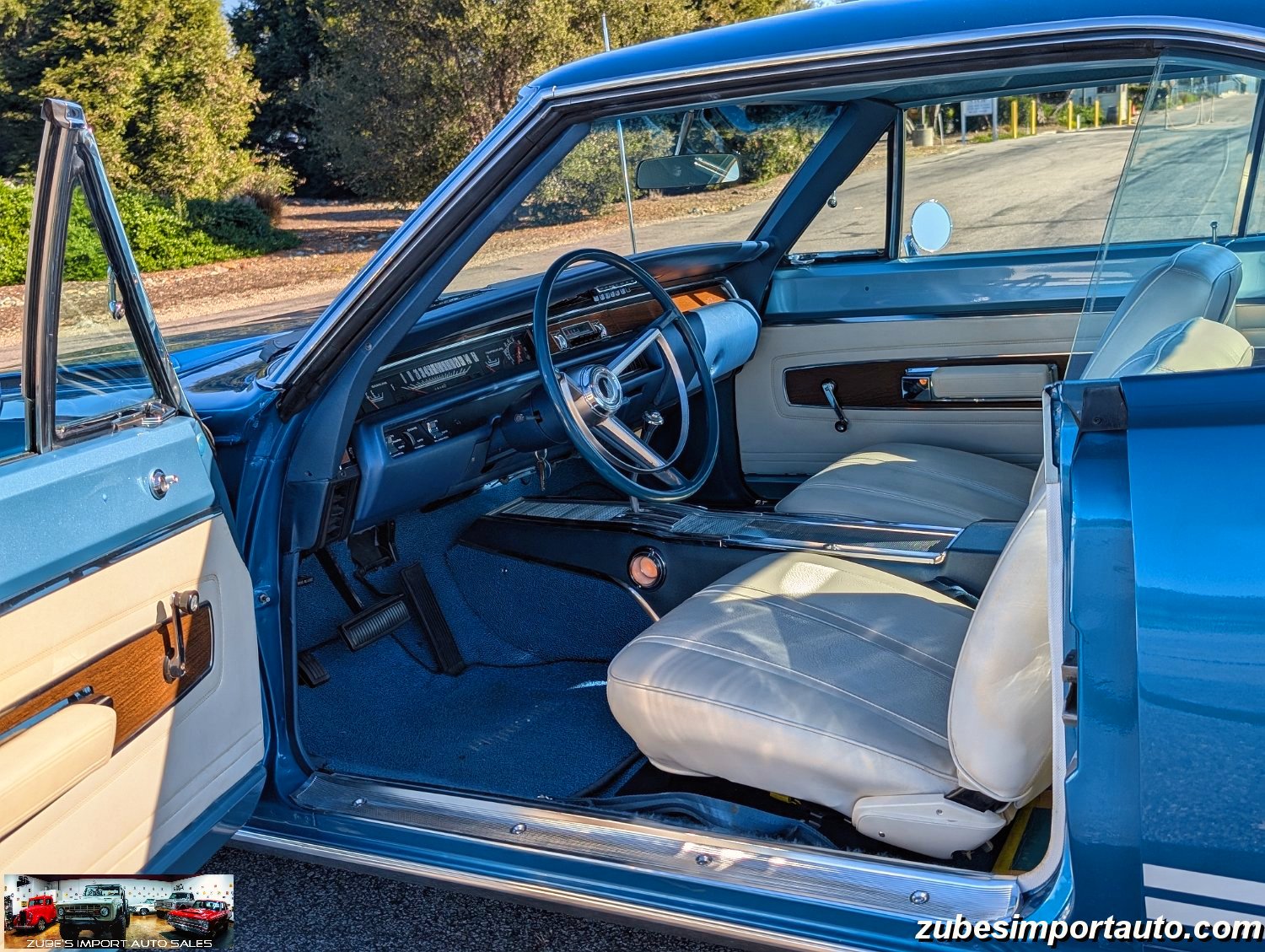
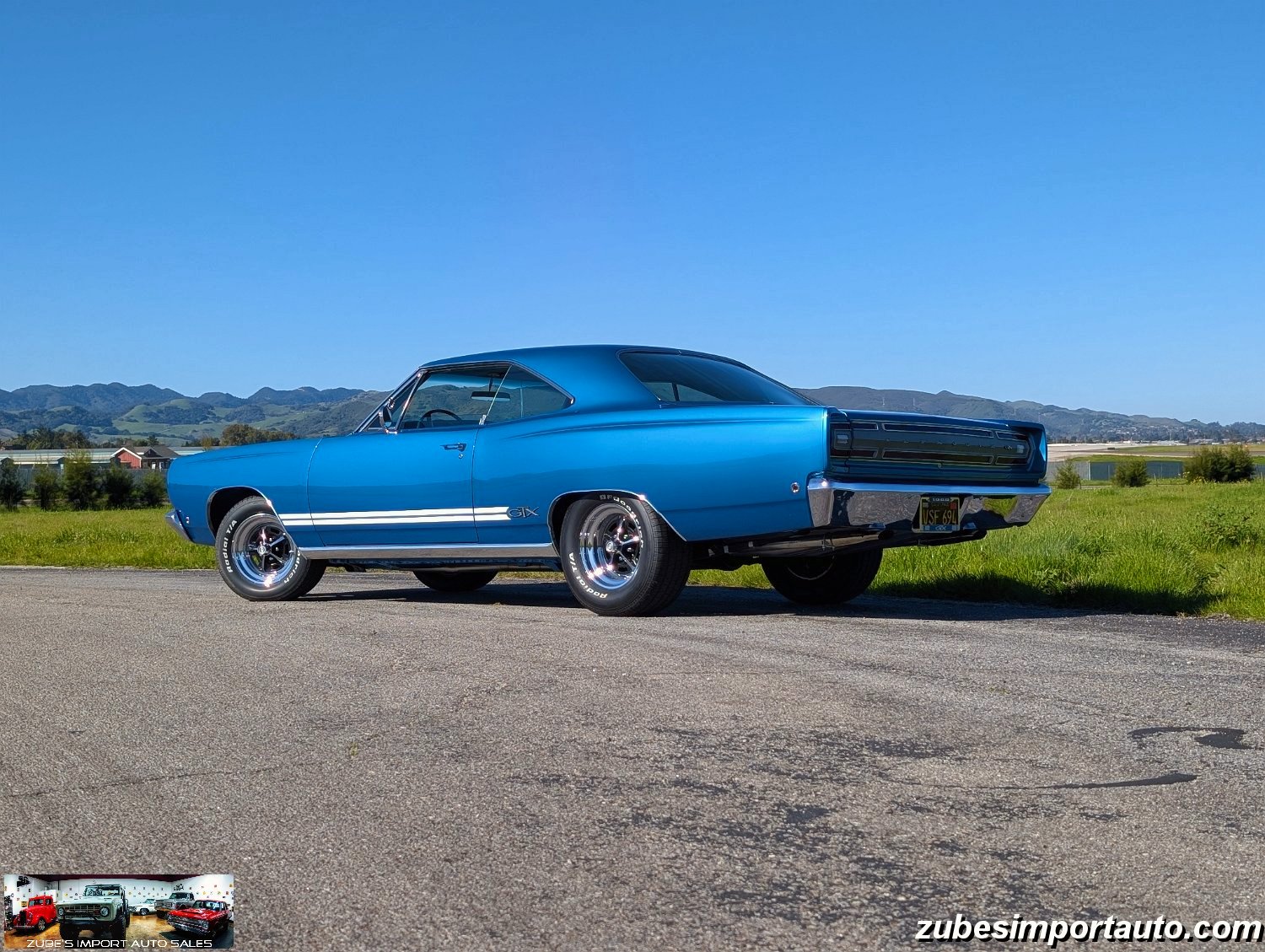
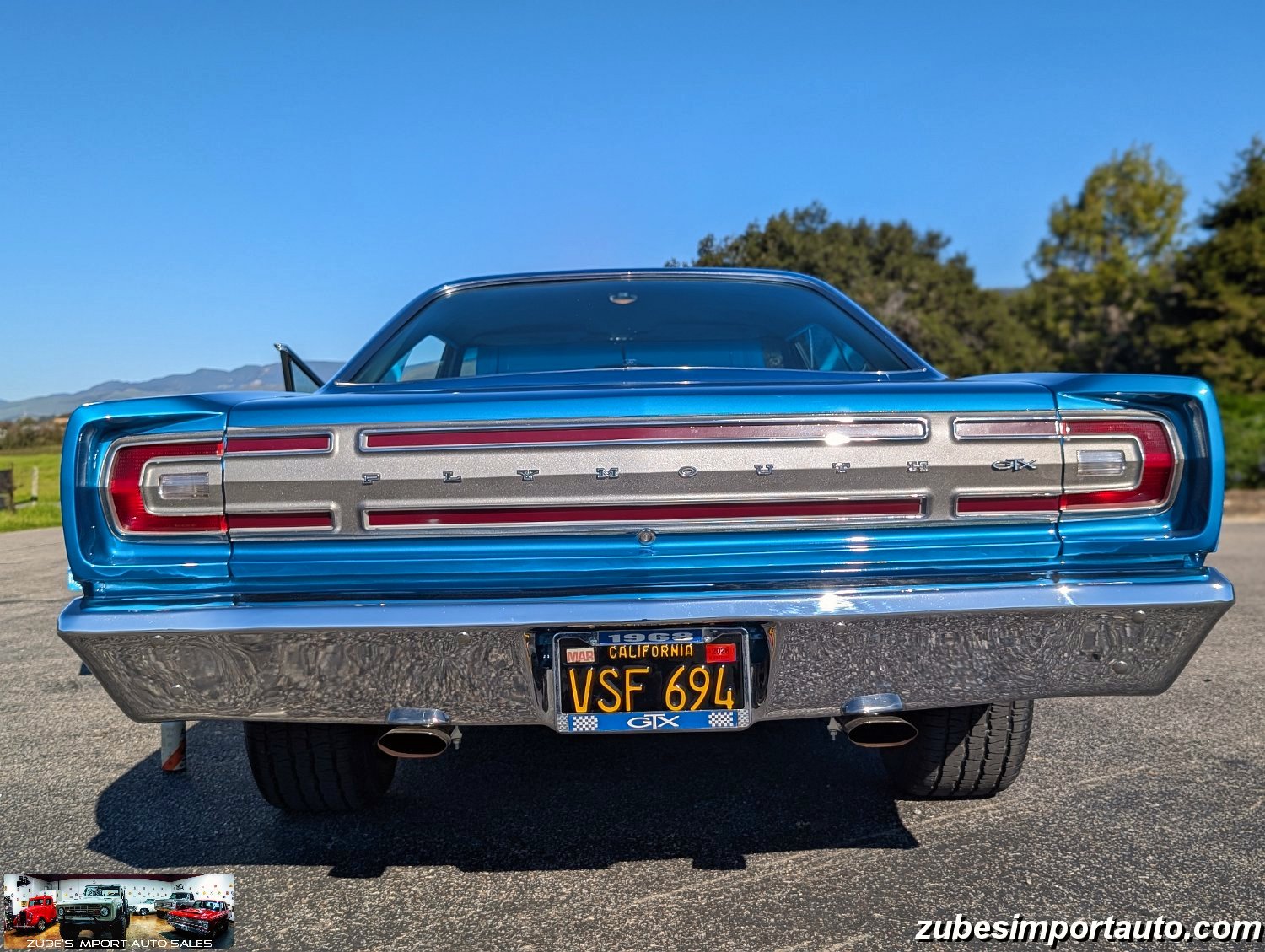
Iconic 1968 Plymouth GTX 2-Door Coupe – Frost Blue Metallic with White Interior
Own a Piece of Mopar Muscle History – Numbers-Matching, 41k Original Miles- Original California Plates, Two-Owner- California Built (Los Angeles)/Owned, with Full Rotisserie Restoration With Full Documentation!
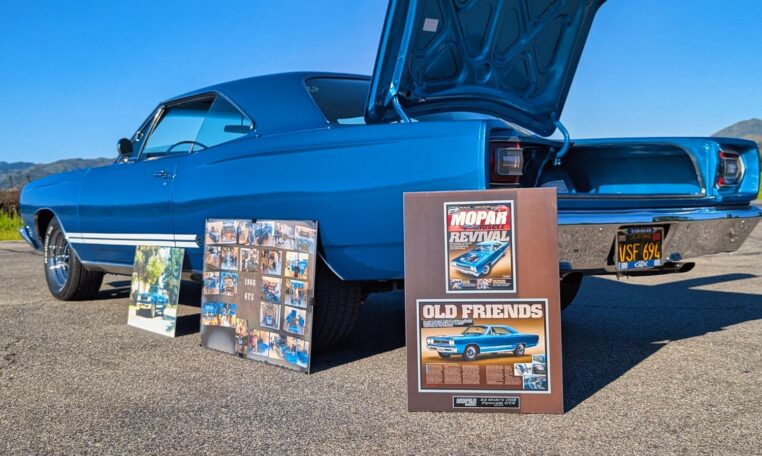
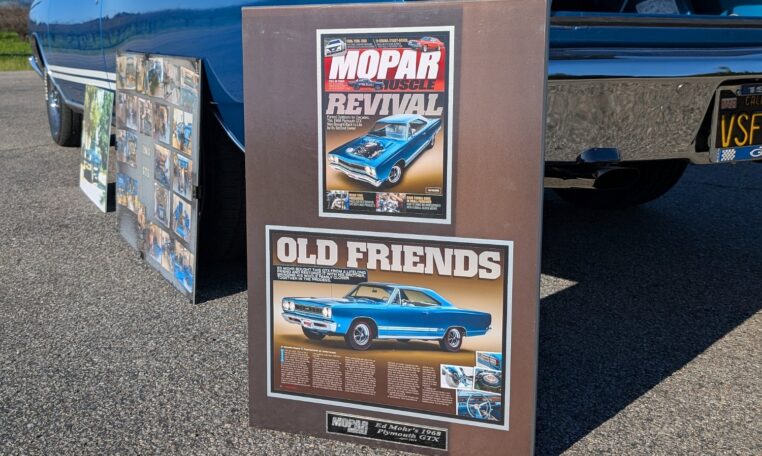
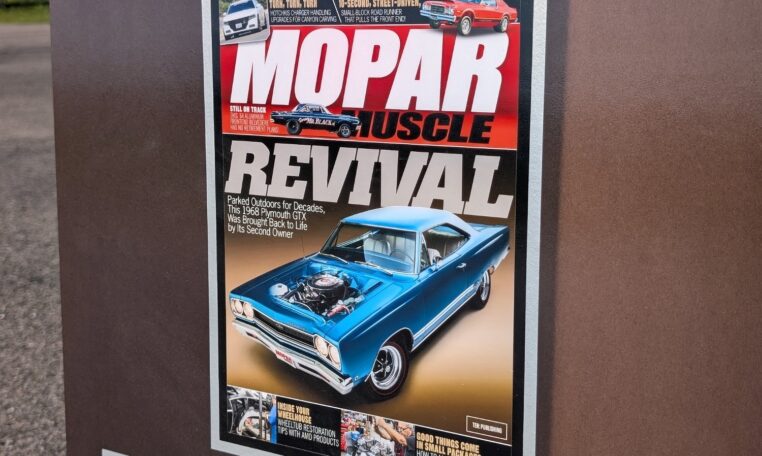
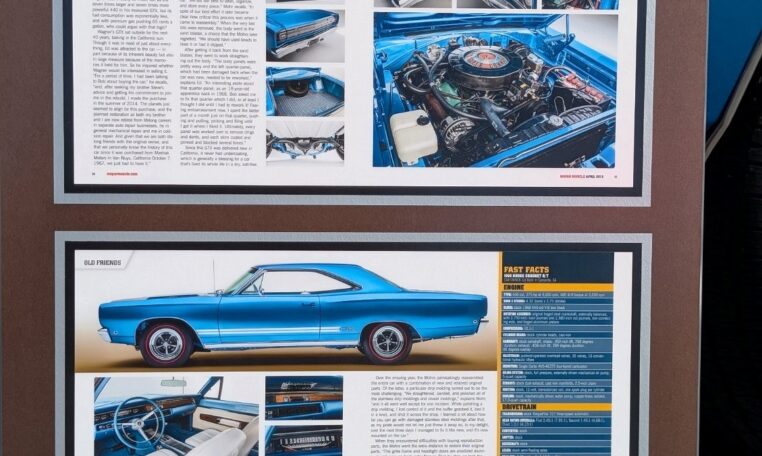
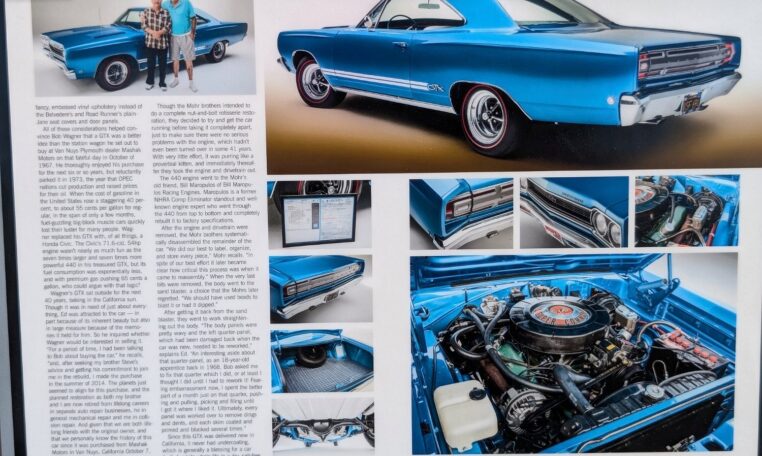
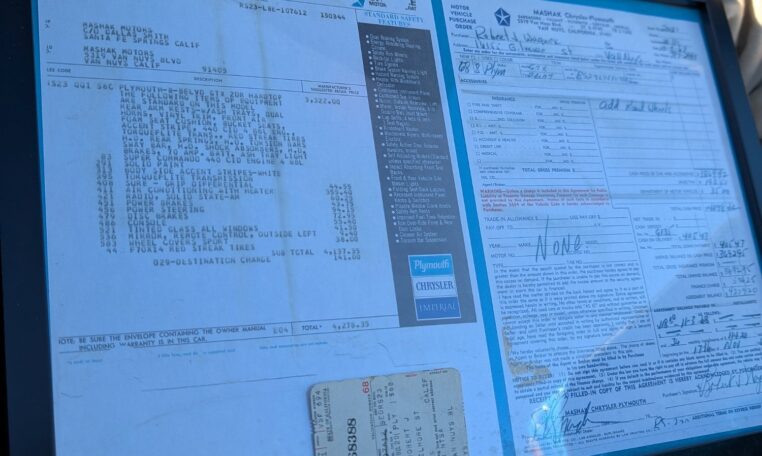
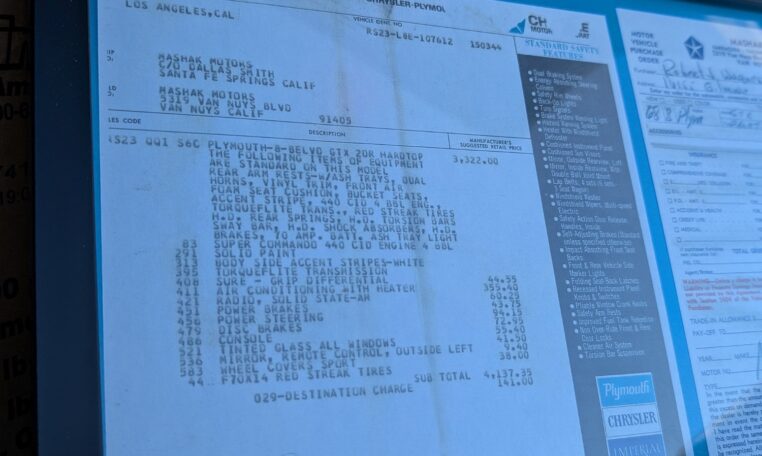
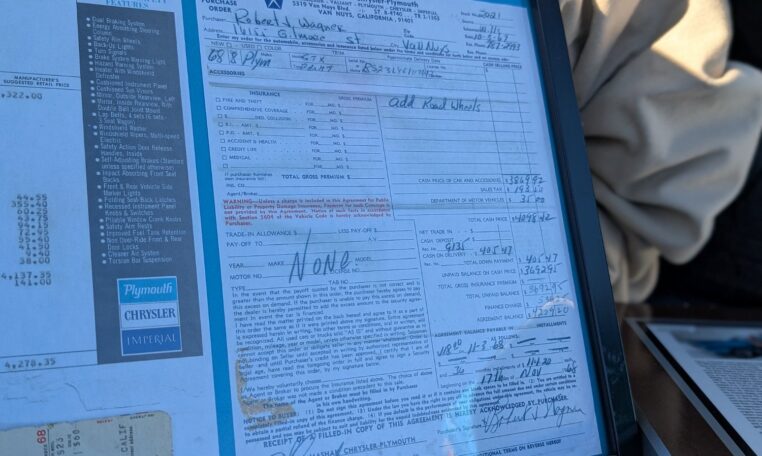
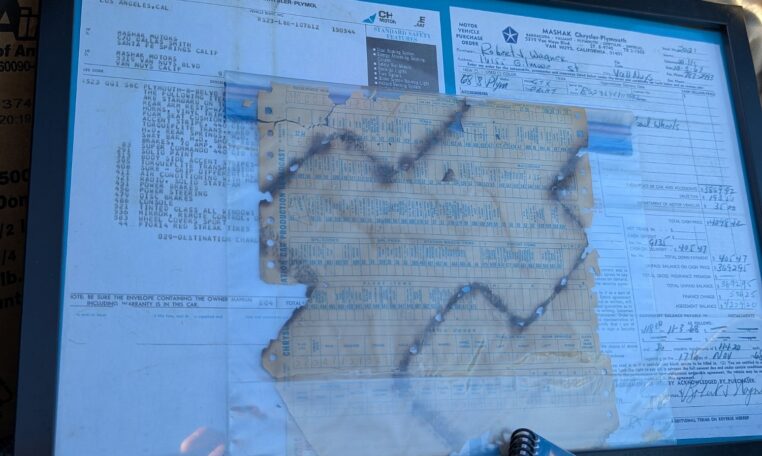
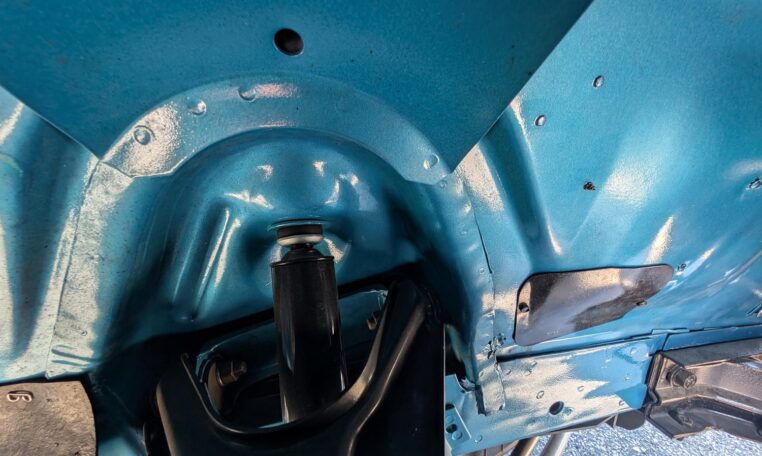
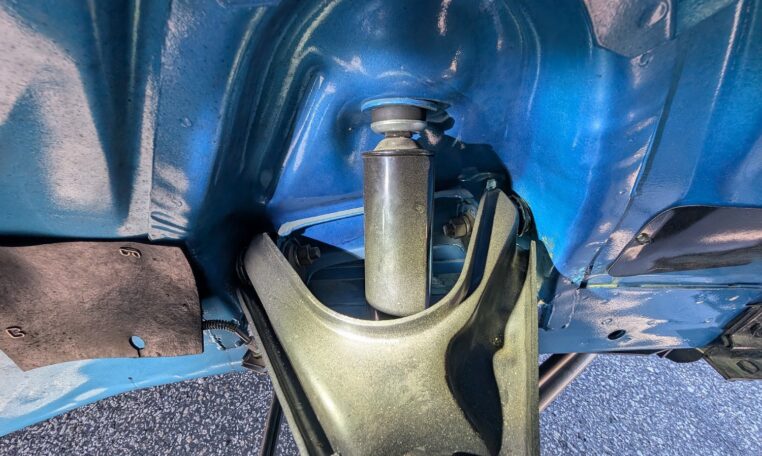
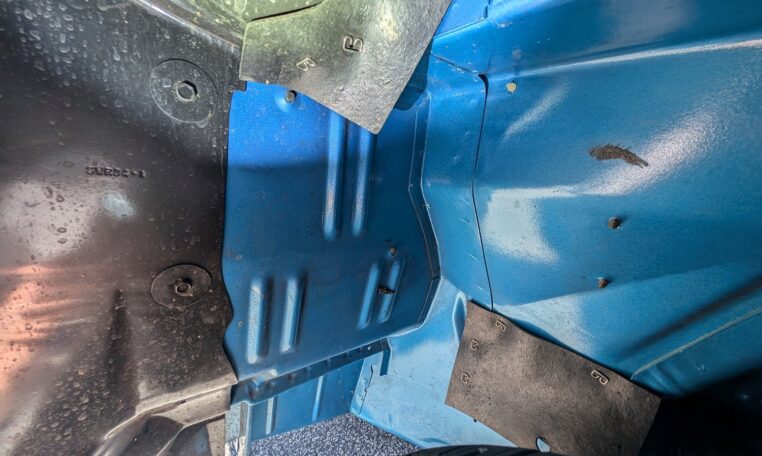
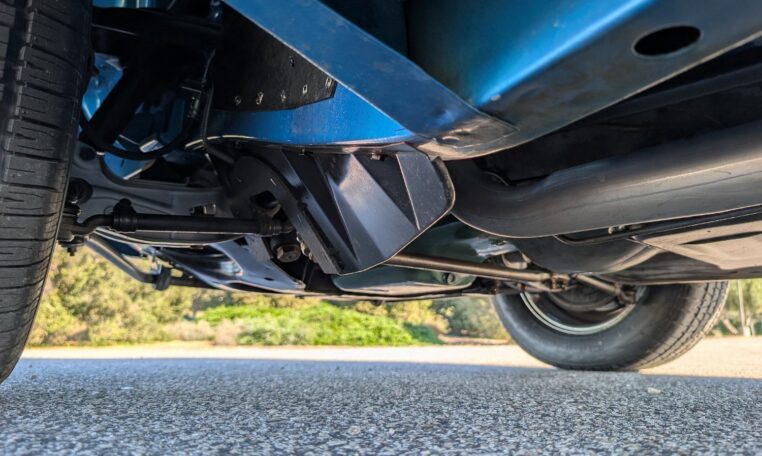
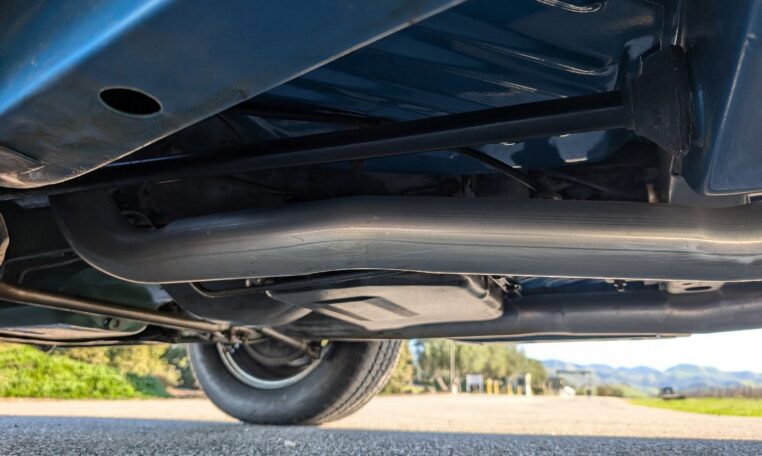
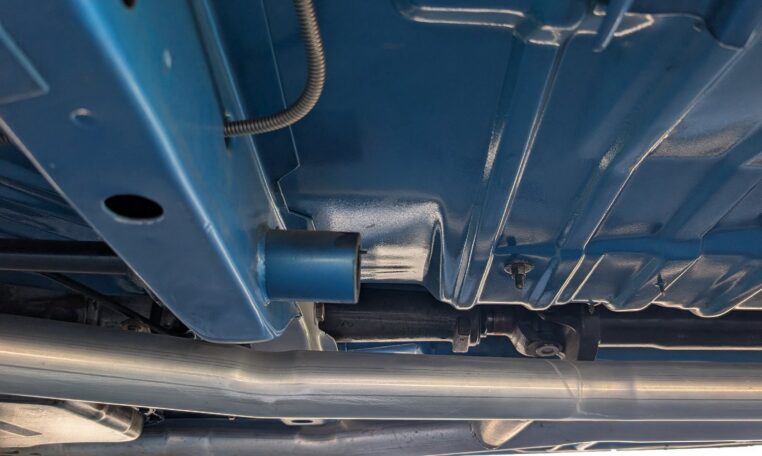
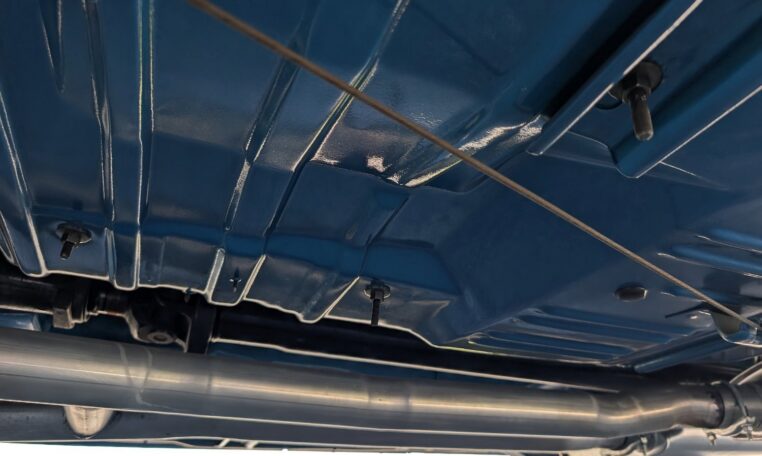
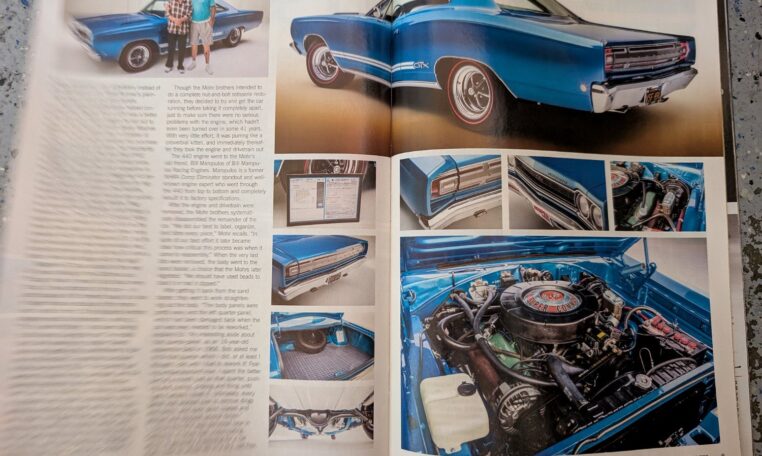
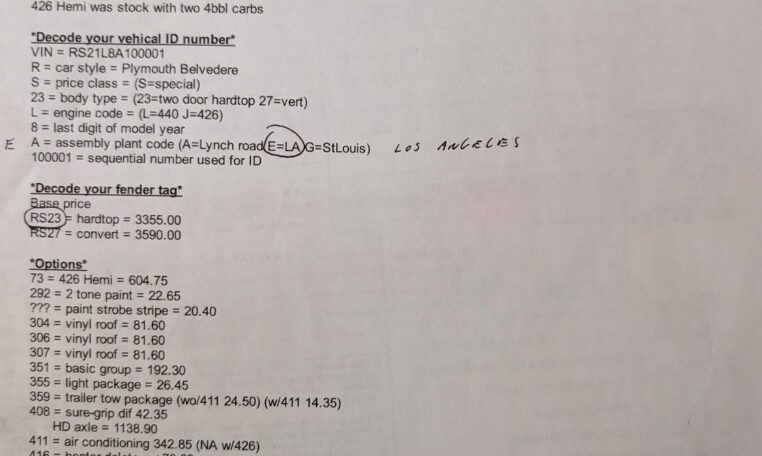
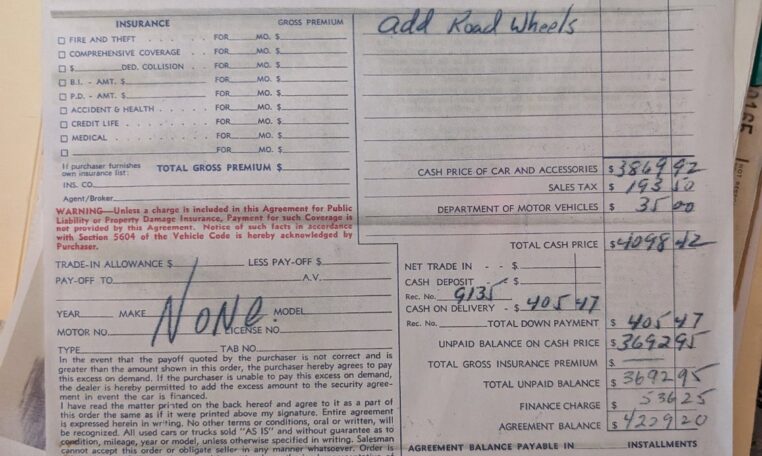
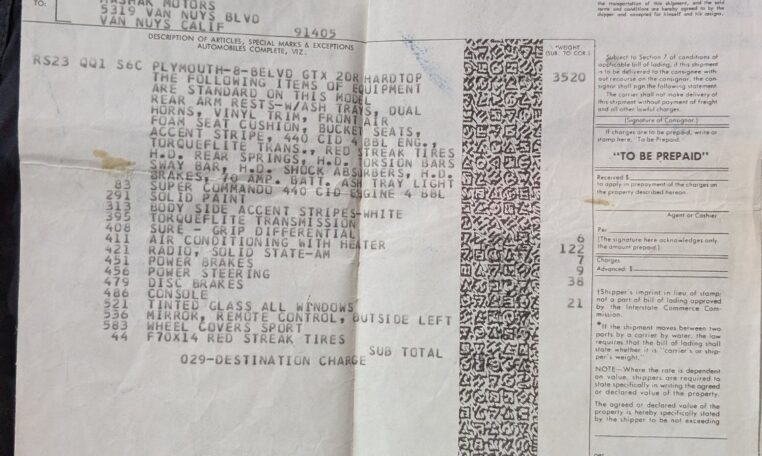
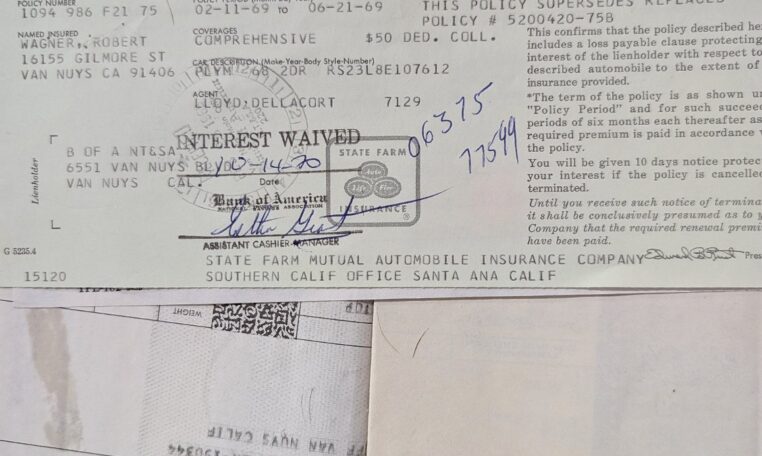
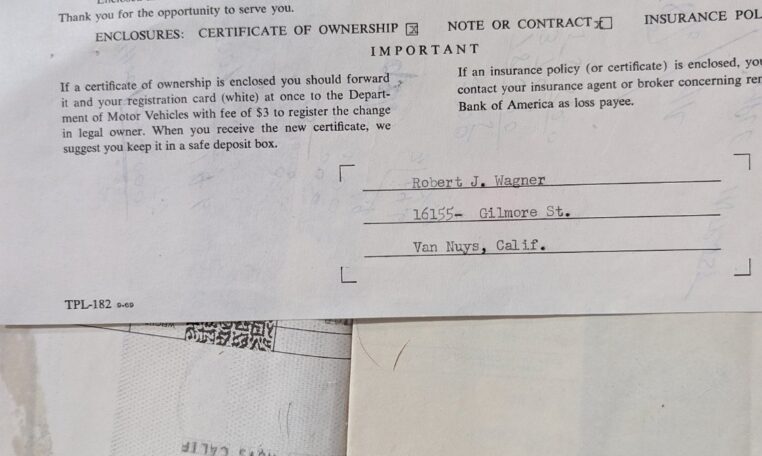
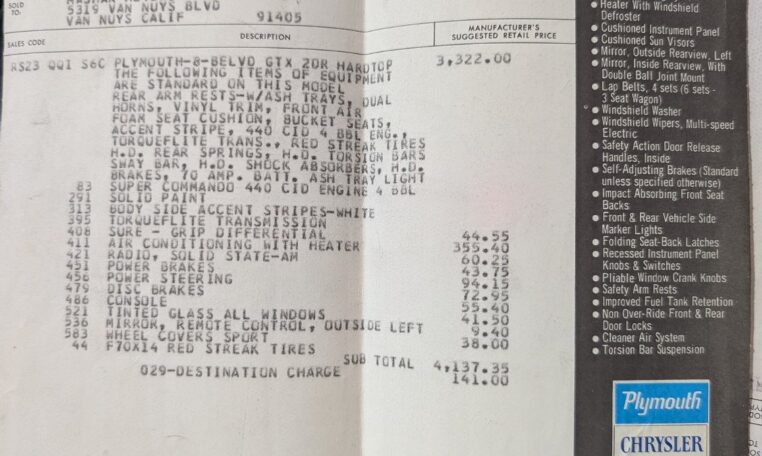
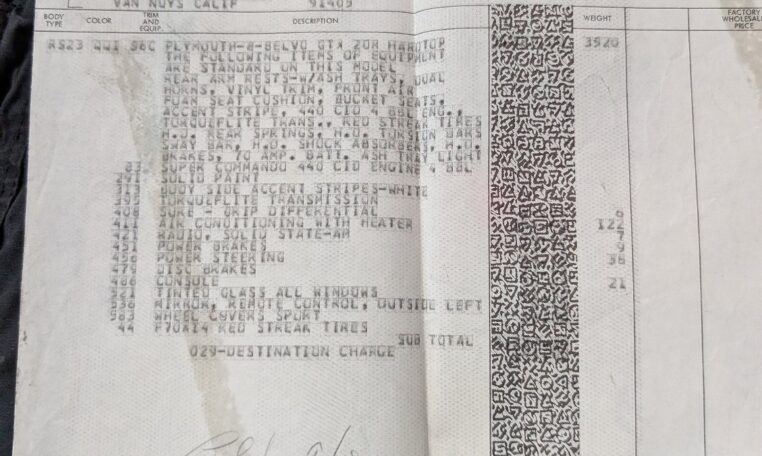
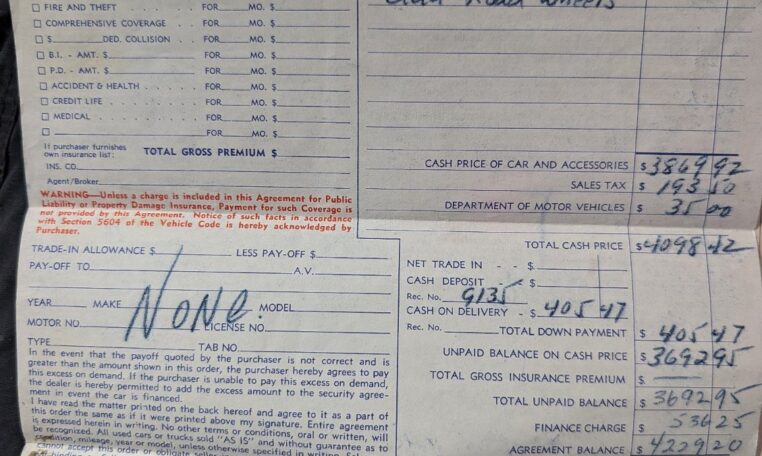
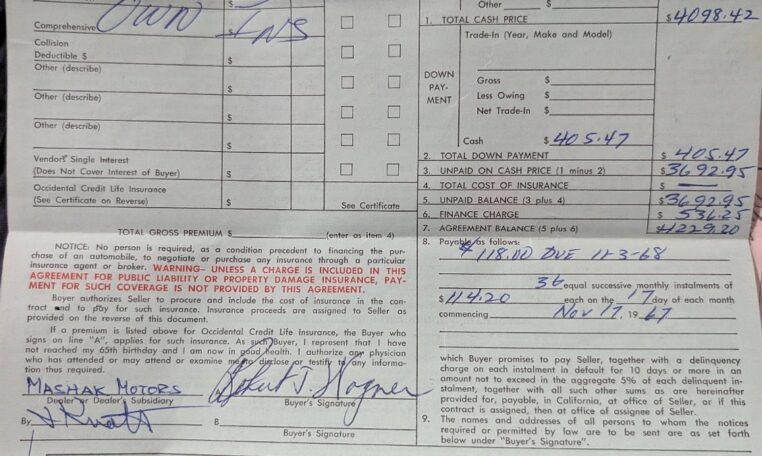
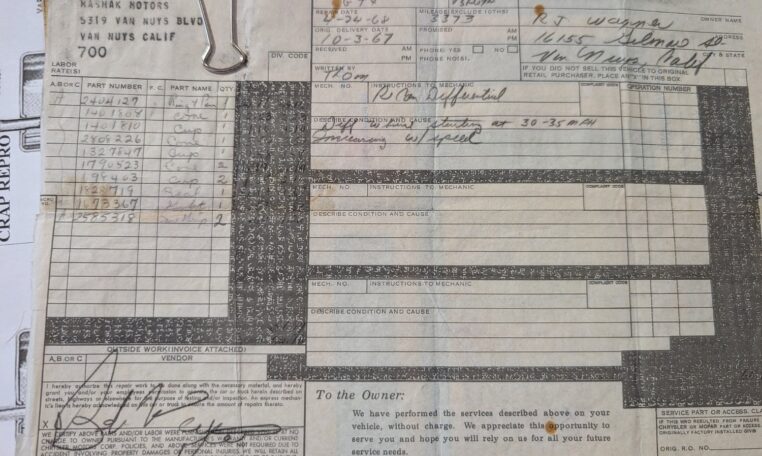
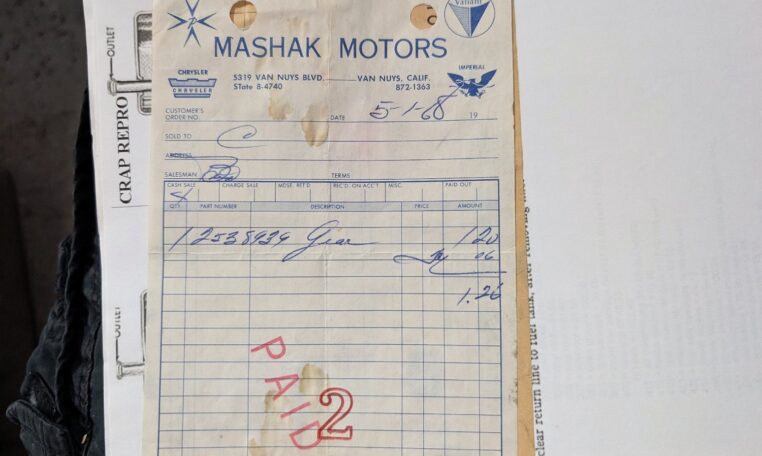
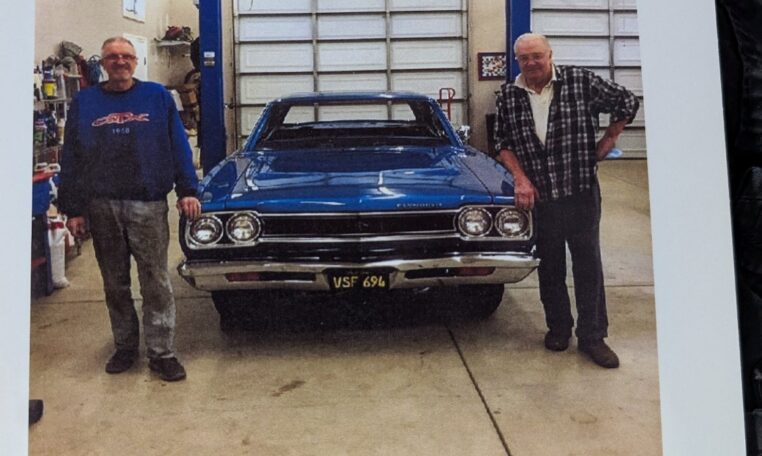
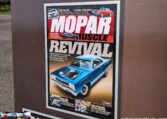
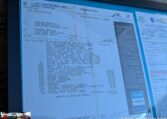
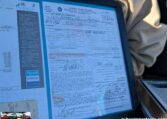
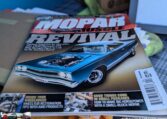
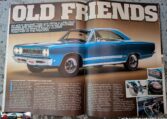
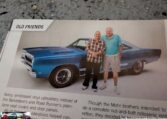
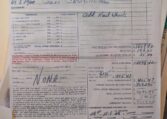
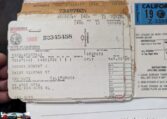
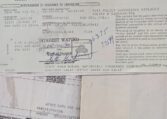
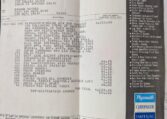
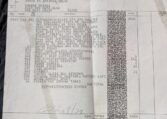
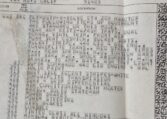
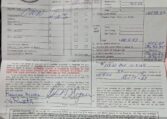
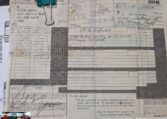
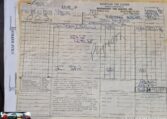
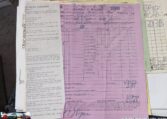
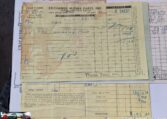
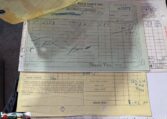
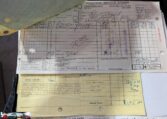
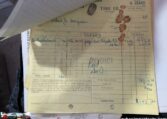
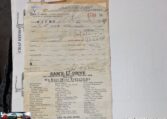
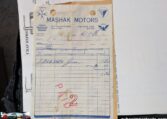
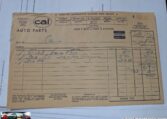
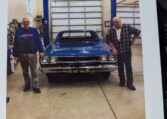
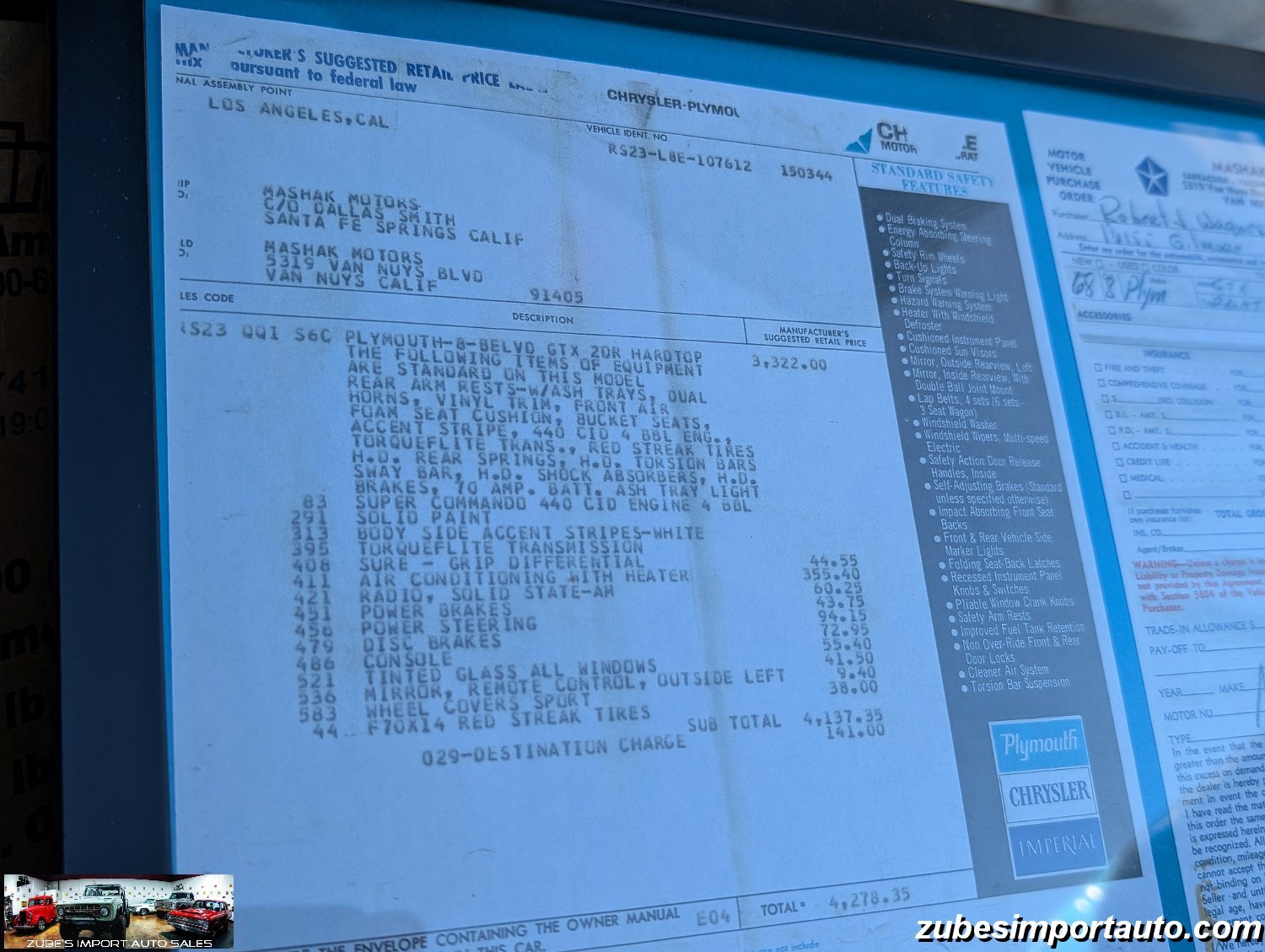
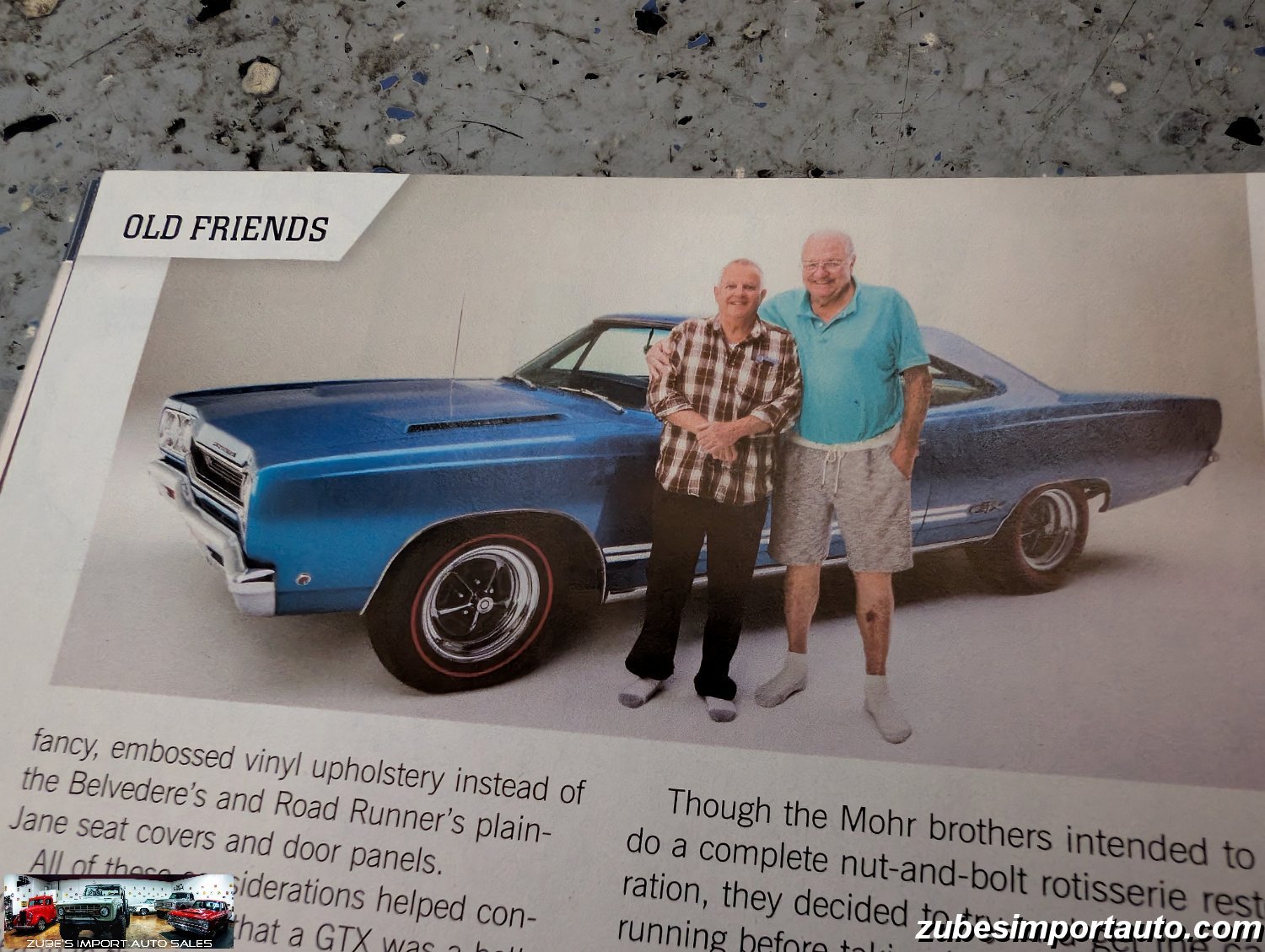
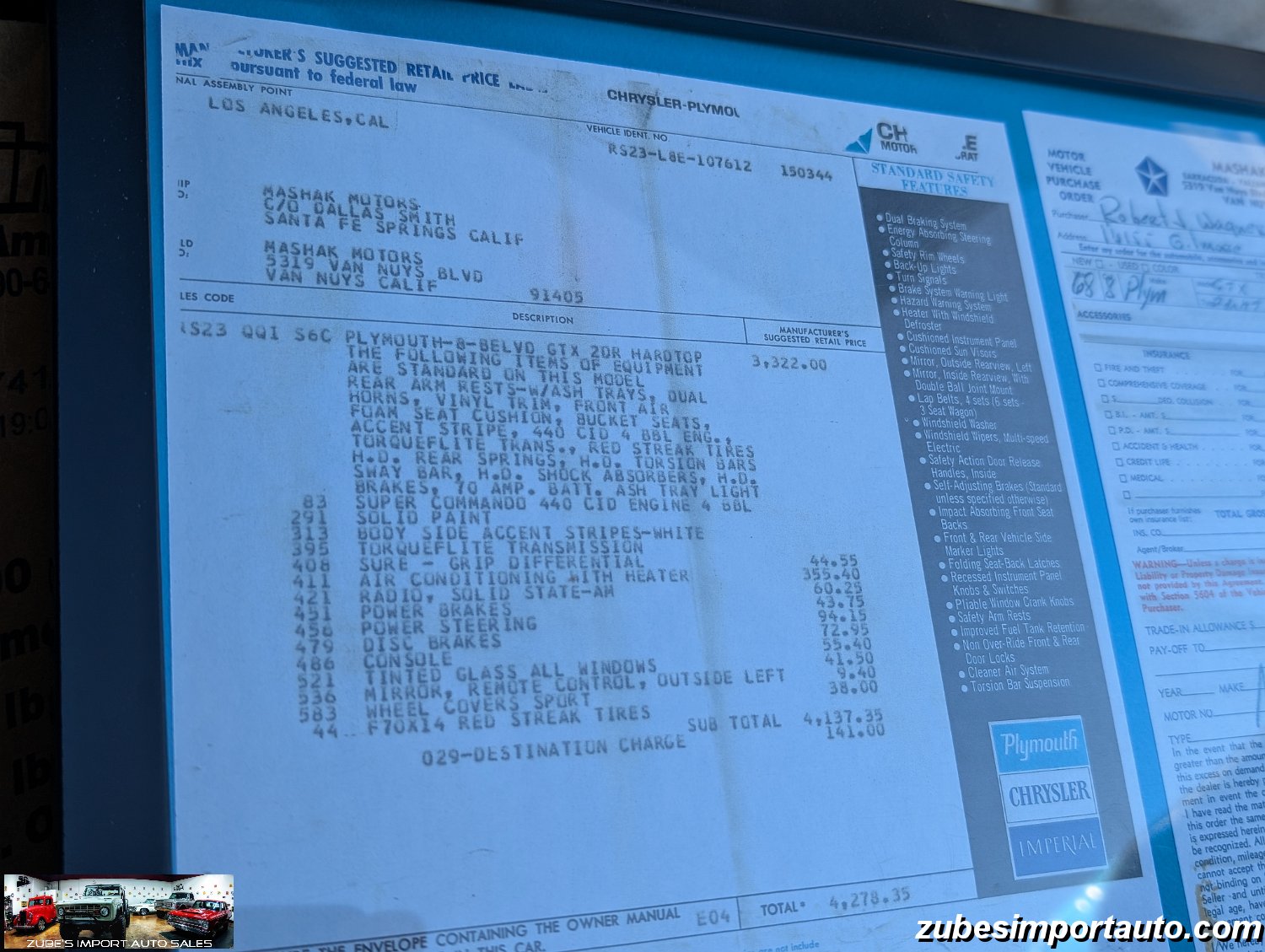
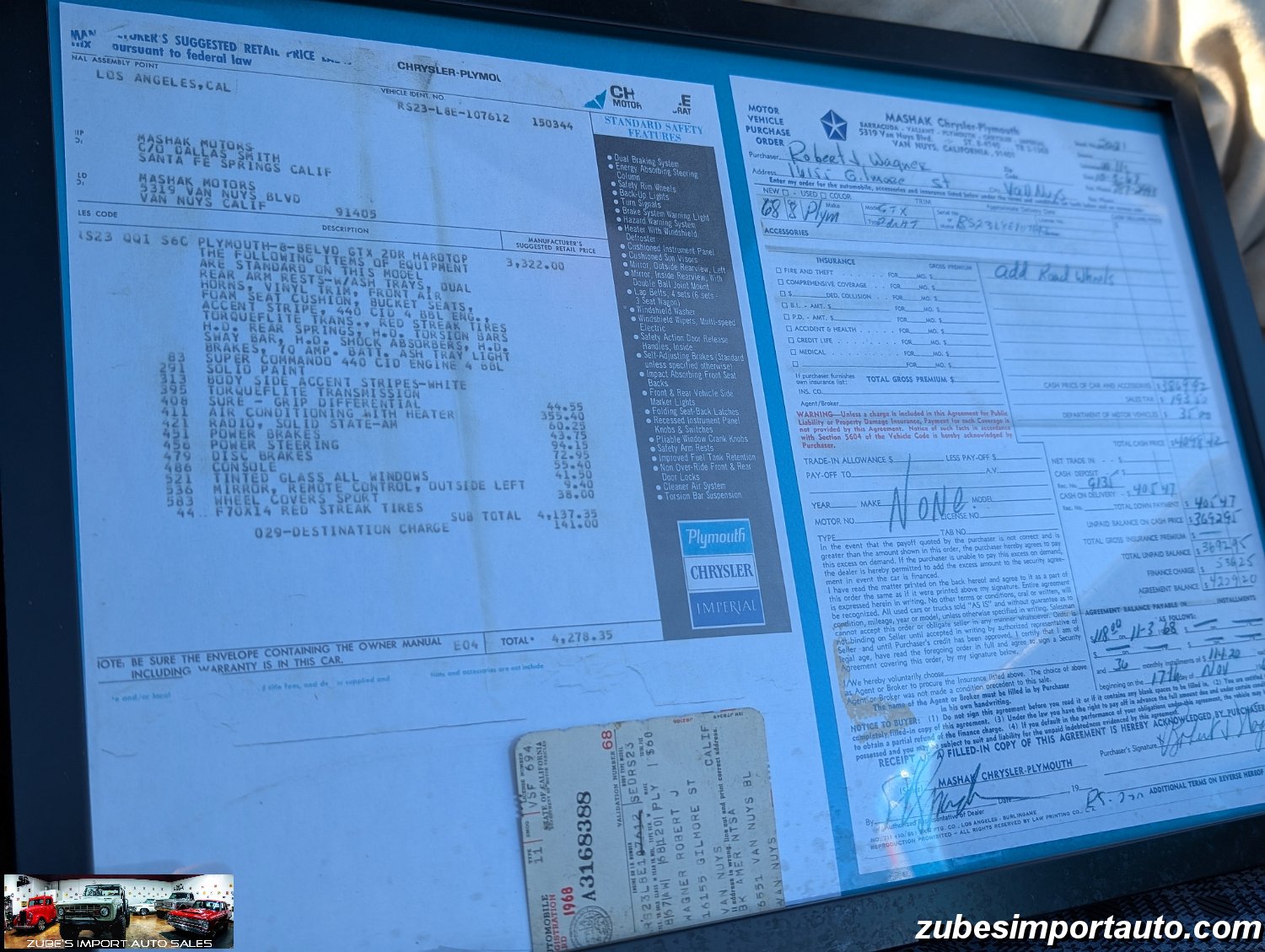
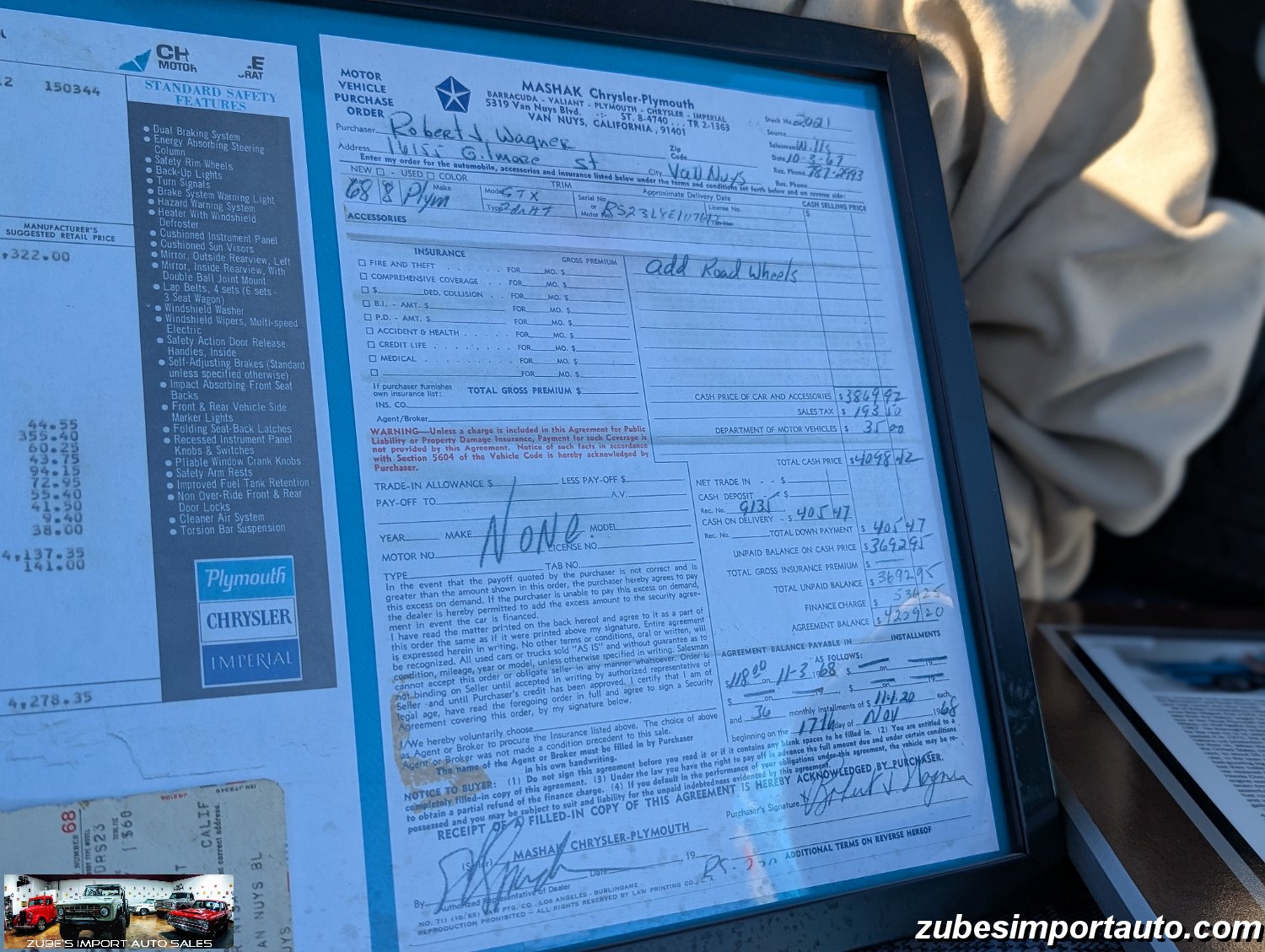
For all you Mopar fans, this is the ’68 Plymouth GTX you need in your collection! What sets this ’68 GTX apart from the others is its provenance and the story behind it. A fully documented California GTX assembled out of the Los Angeles, CA, plant. Purchased by its original owner, who lived in California, and later sold to his childhood friend Ed Mohr, who spent 4-years doing a full rotisserie restoration with his brother. Every single document is included with this car, including its original window sticker and sales invoice sold by MASHAK Chrysler-Plymouth in Van Nuys, CA, in October of 1967! Featured in Mopar Muscle magazine in 2019.
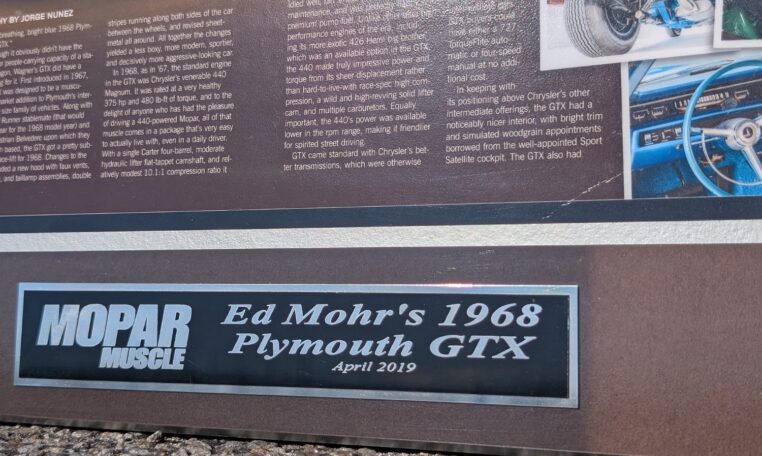
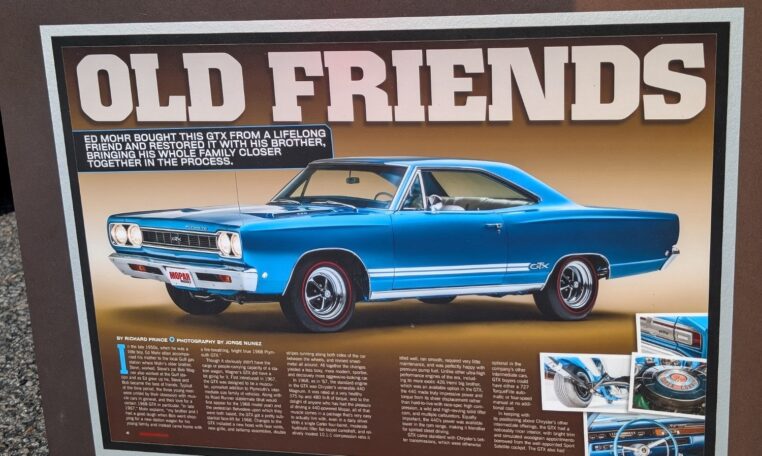
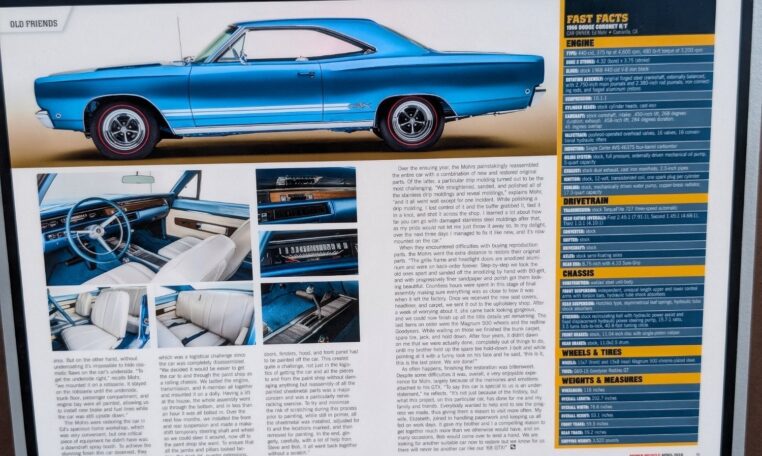
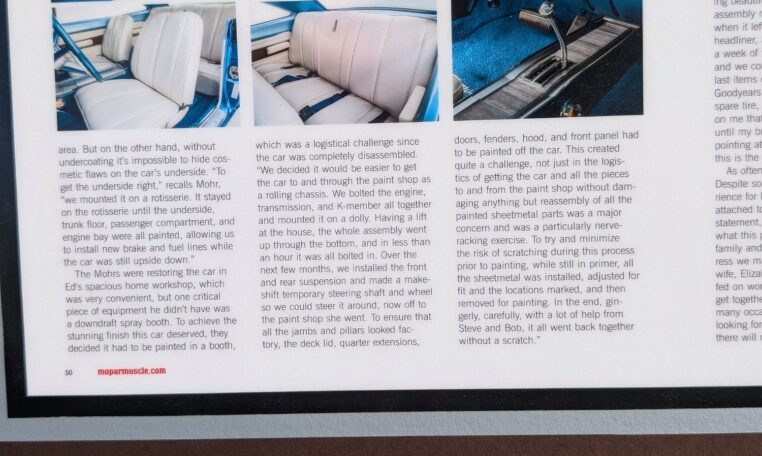
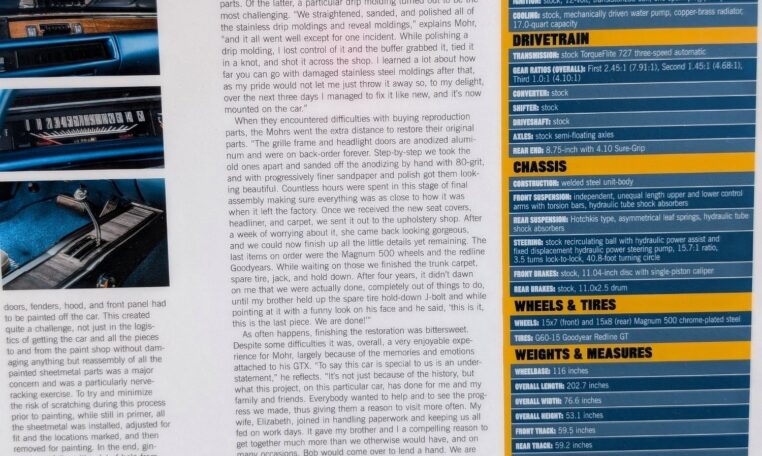
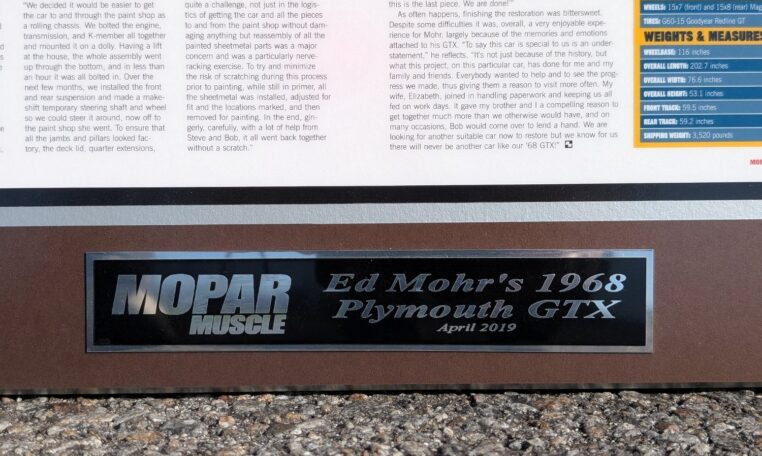
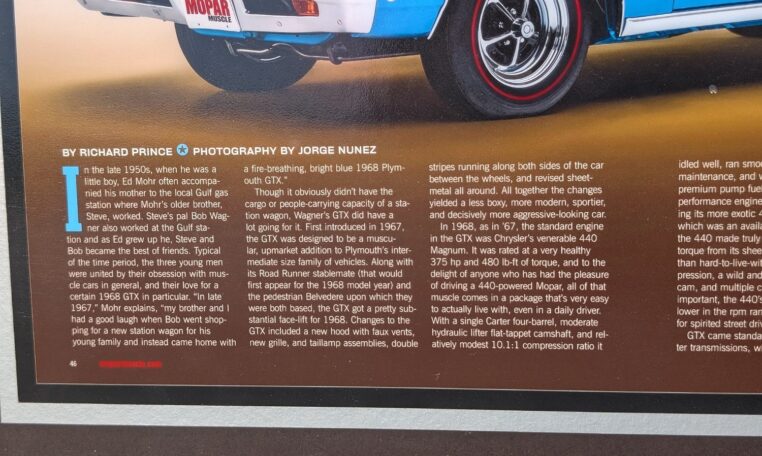
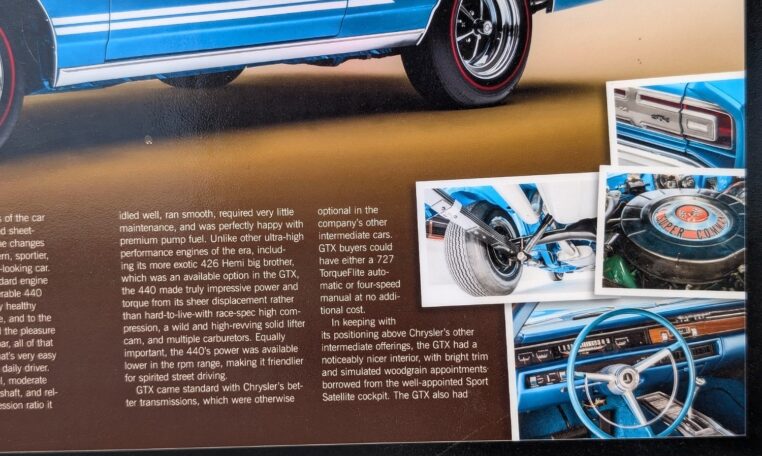
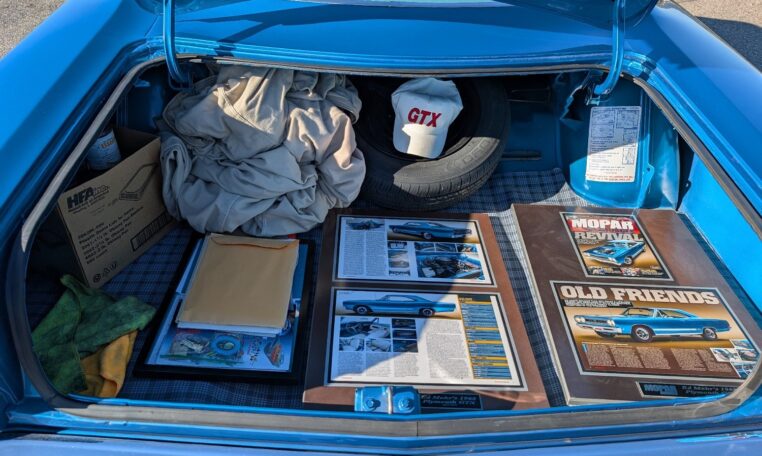
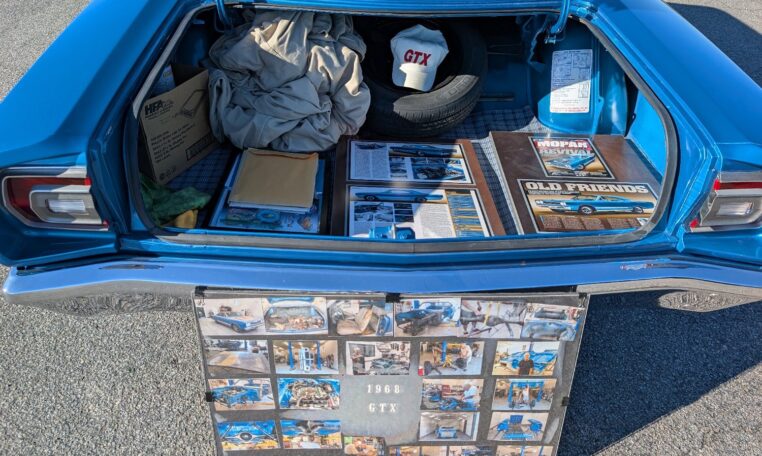
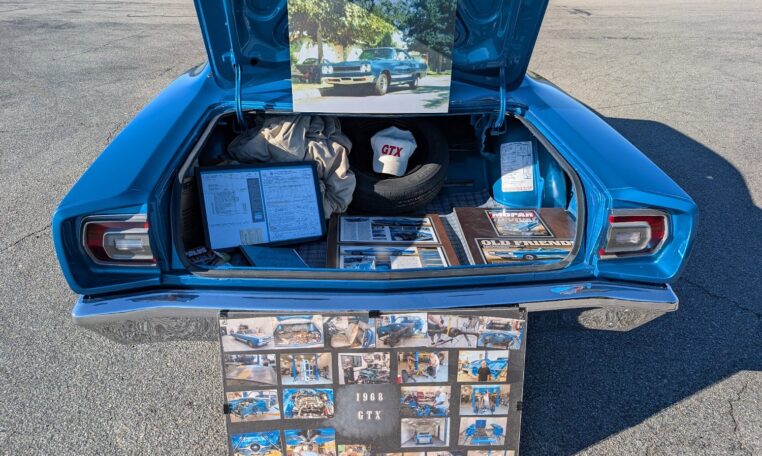
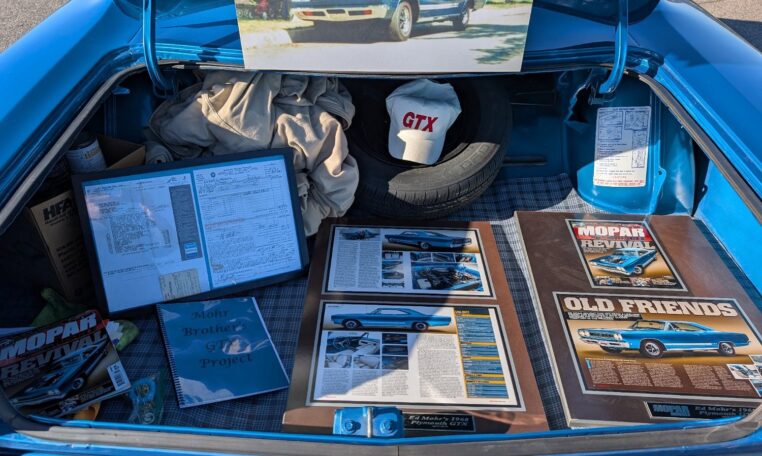
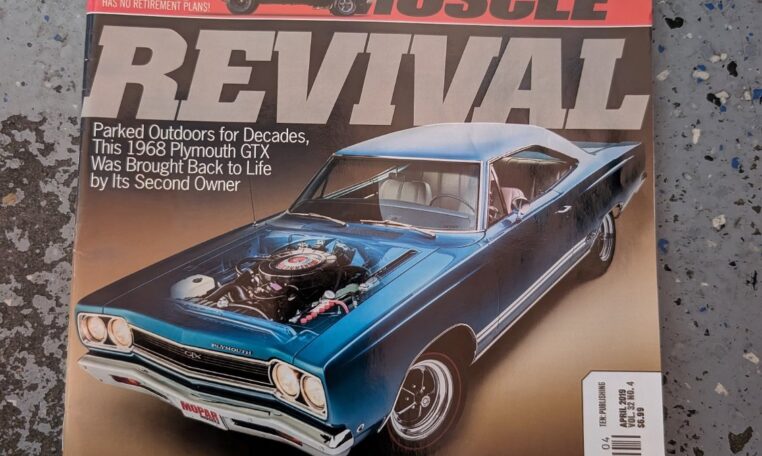
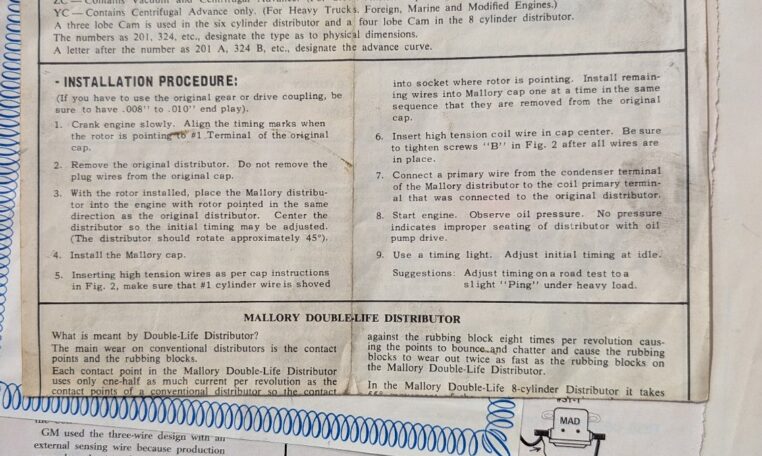
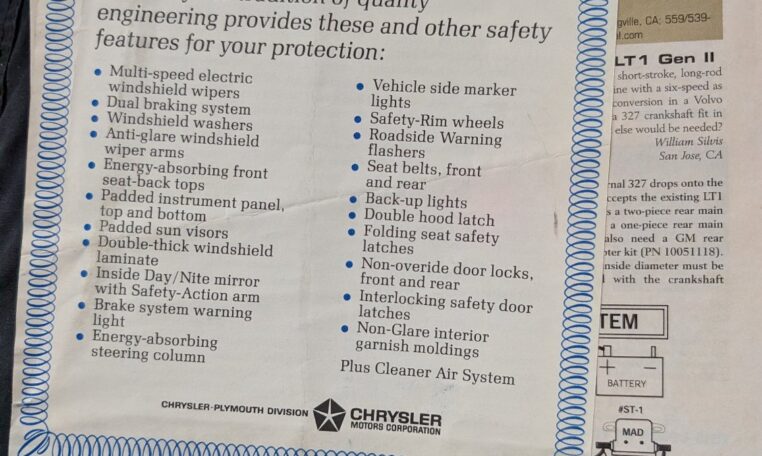
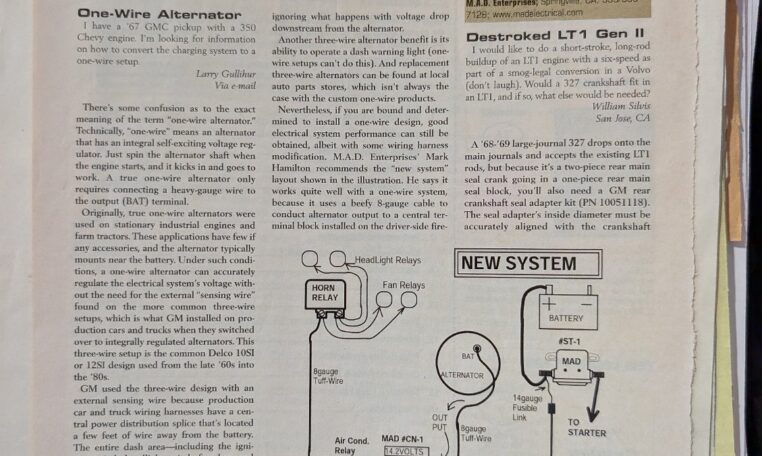
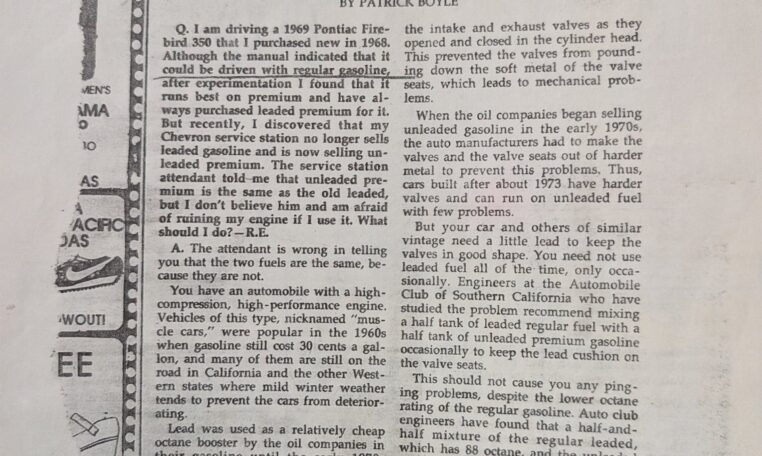
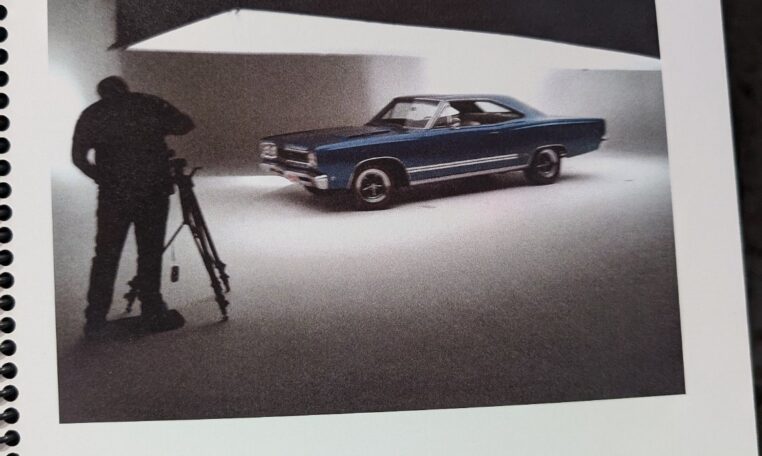
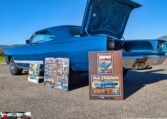
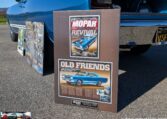
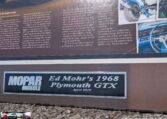
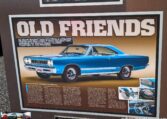
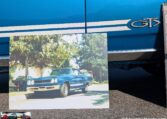
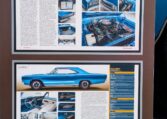
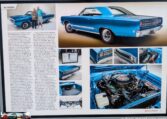
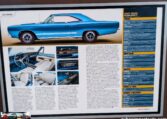
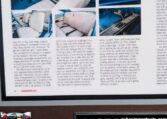
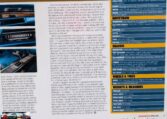
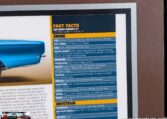
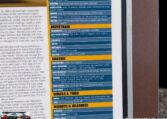
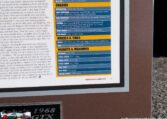
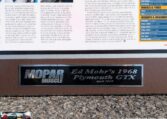
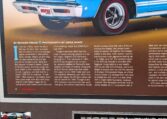
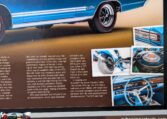
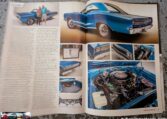
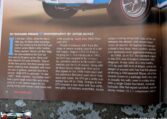
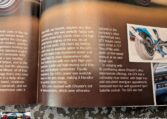
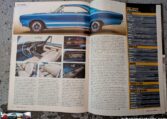
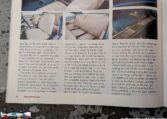
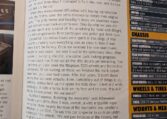
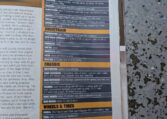
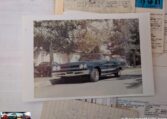
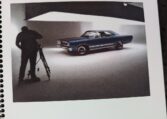
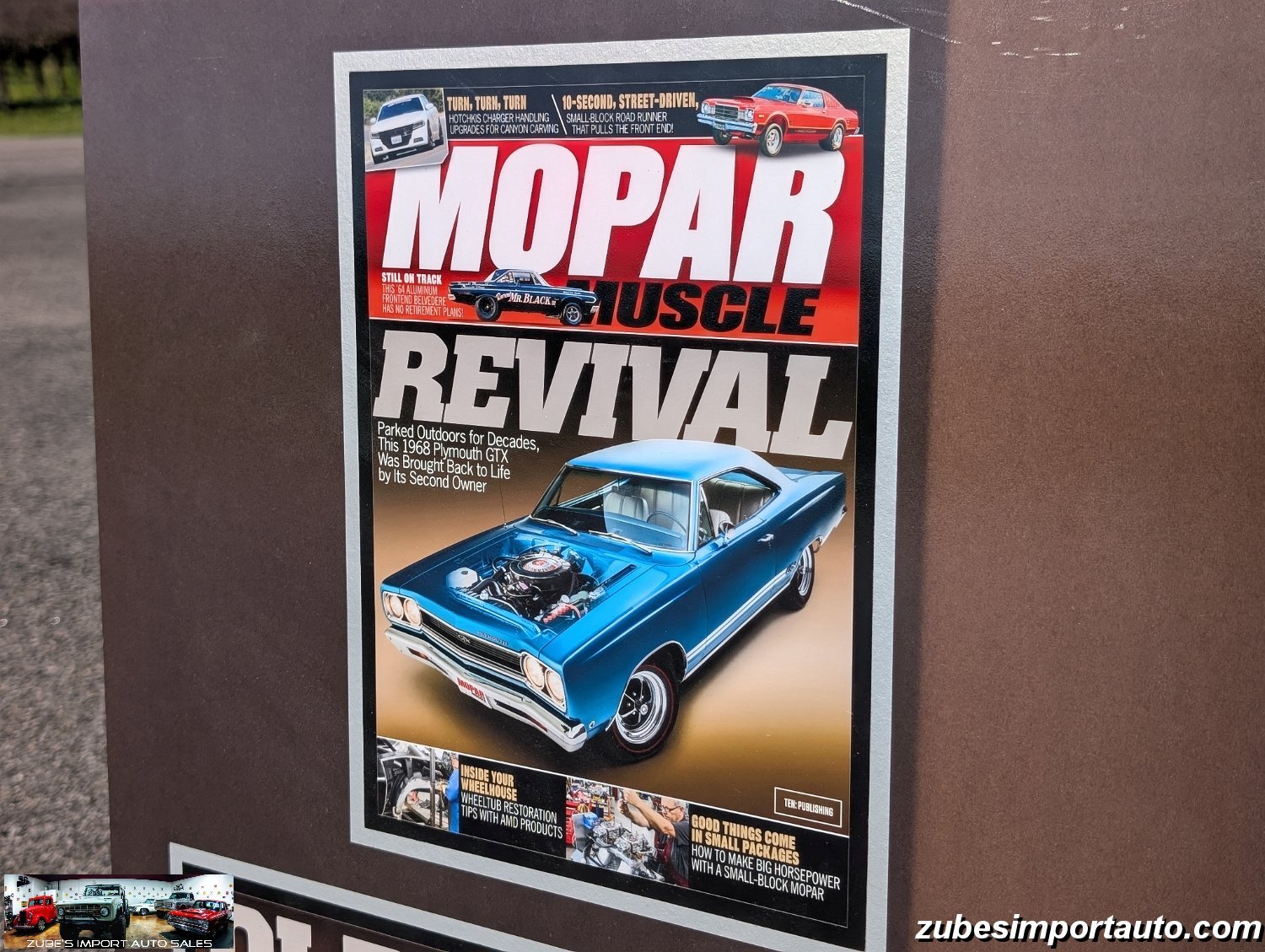
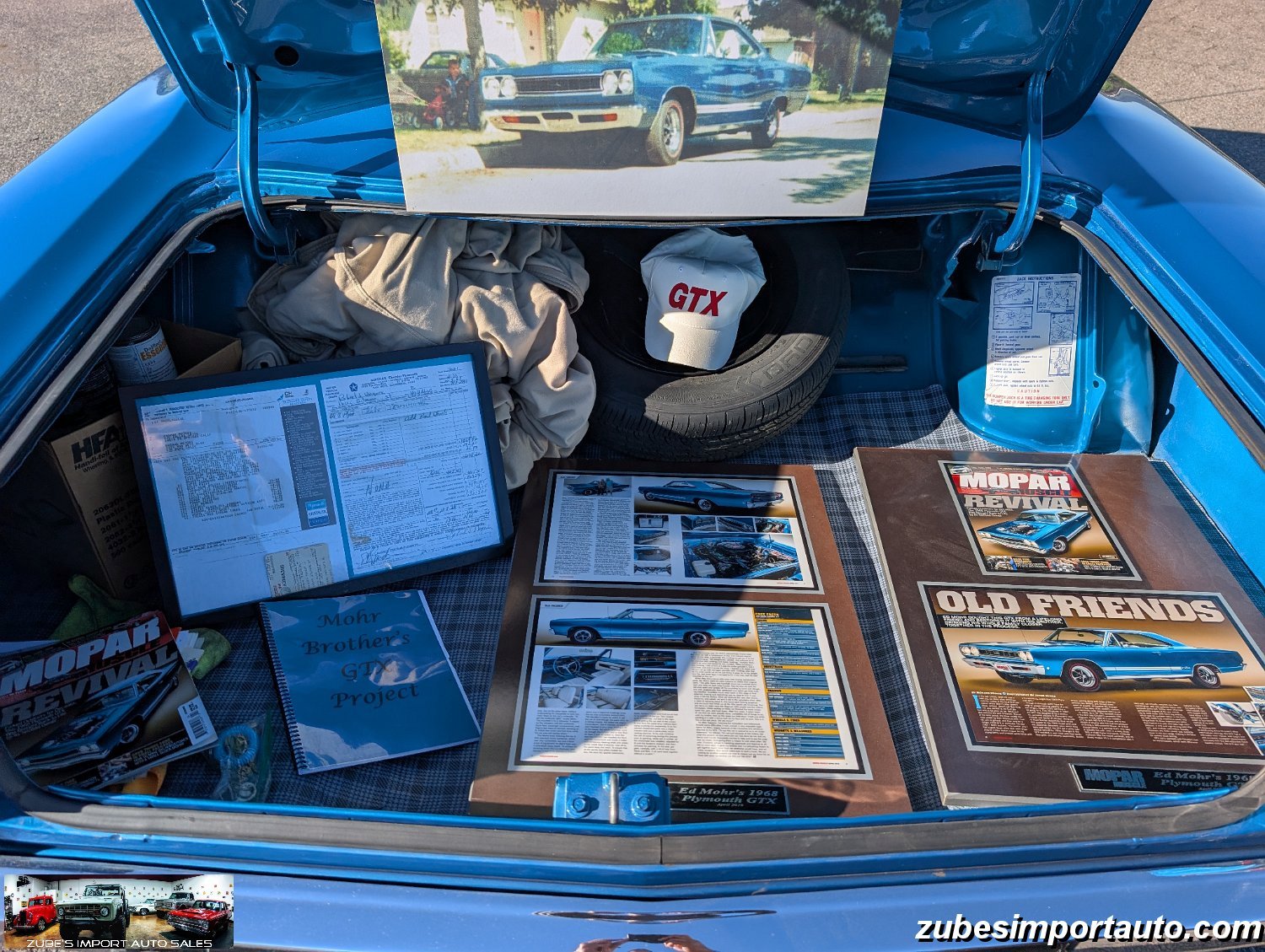
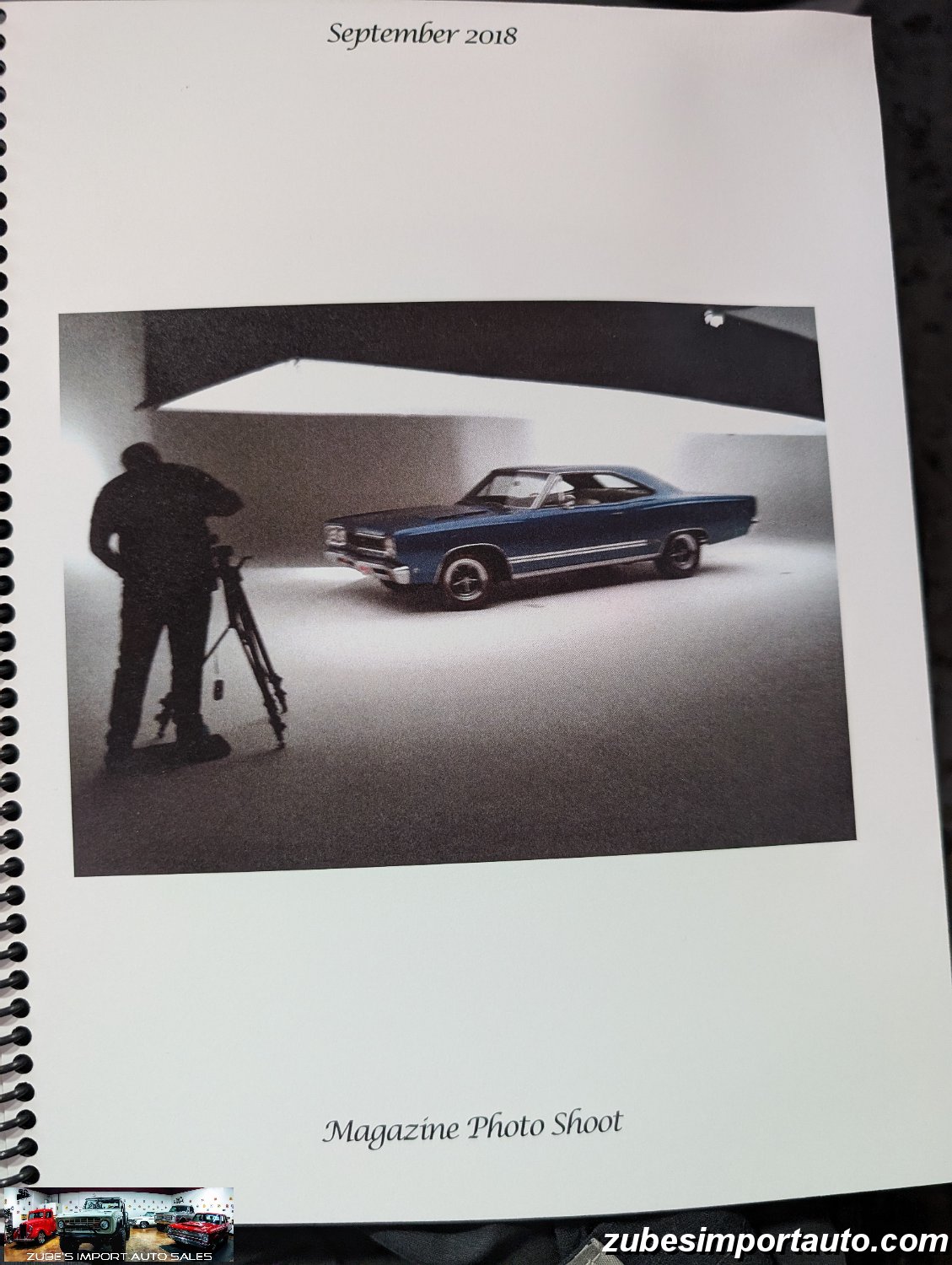
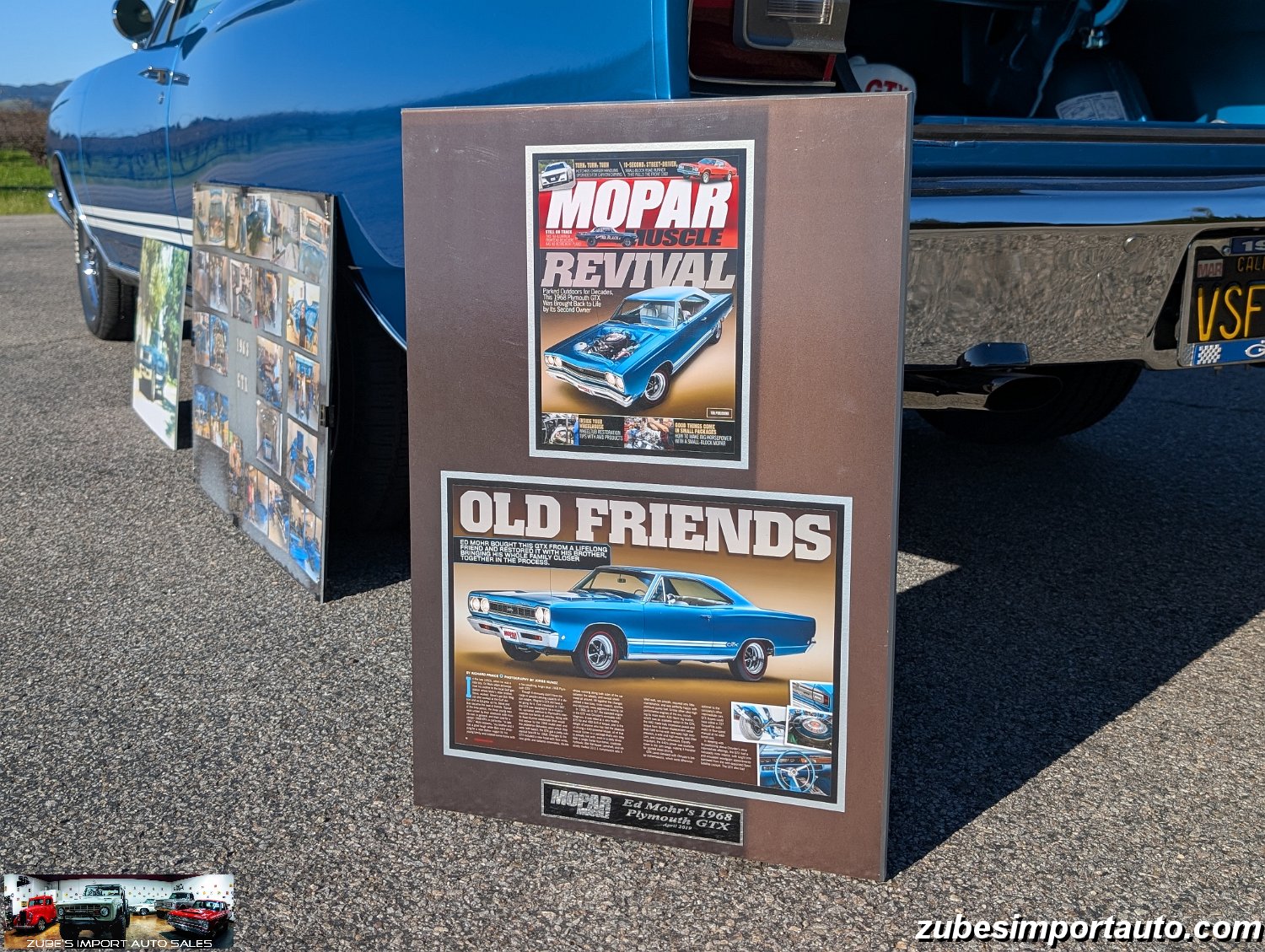
FEATURED IN MOPAR MUSCLE 2019
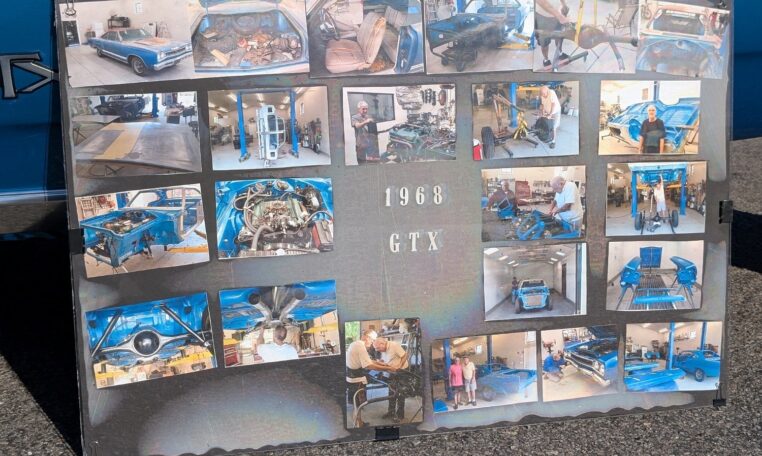
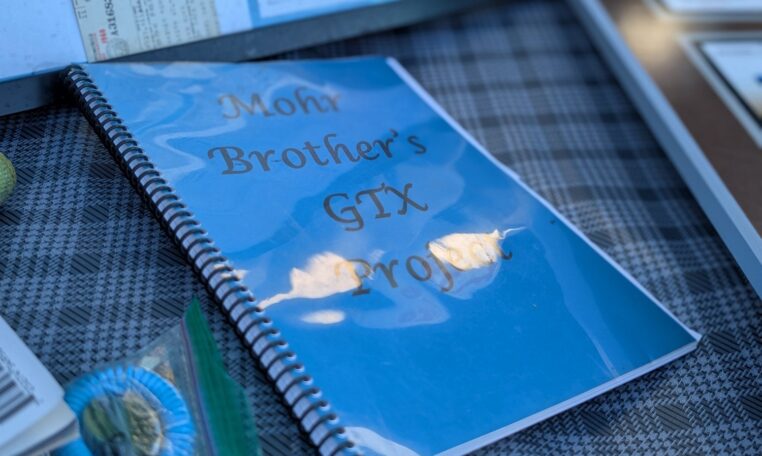
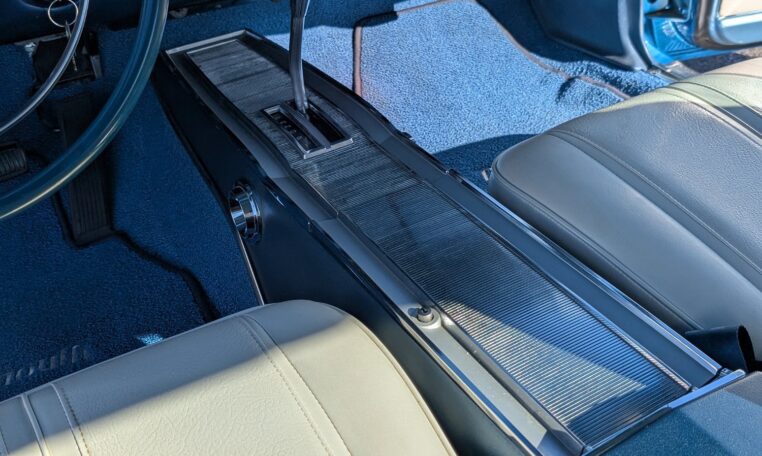
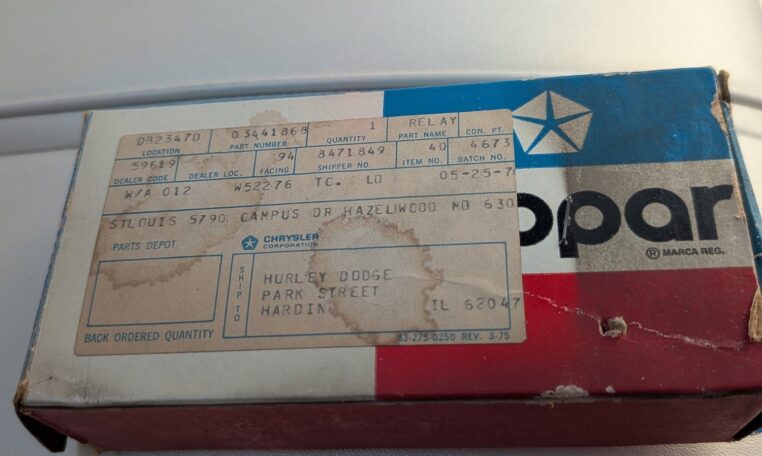
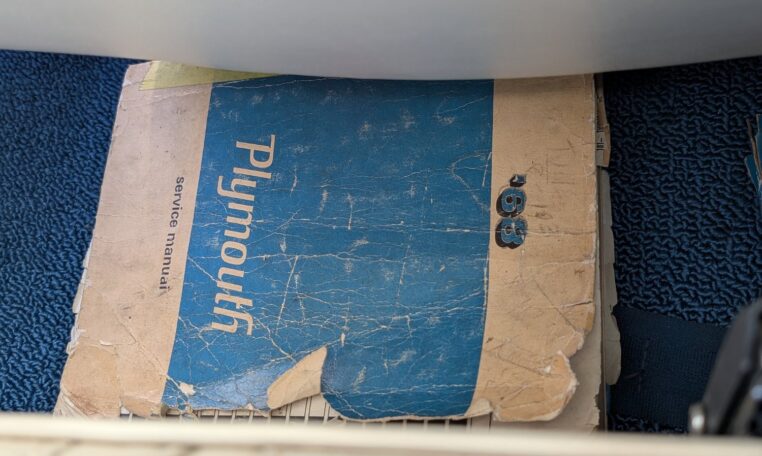
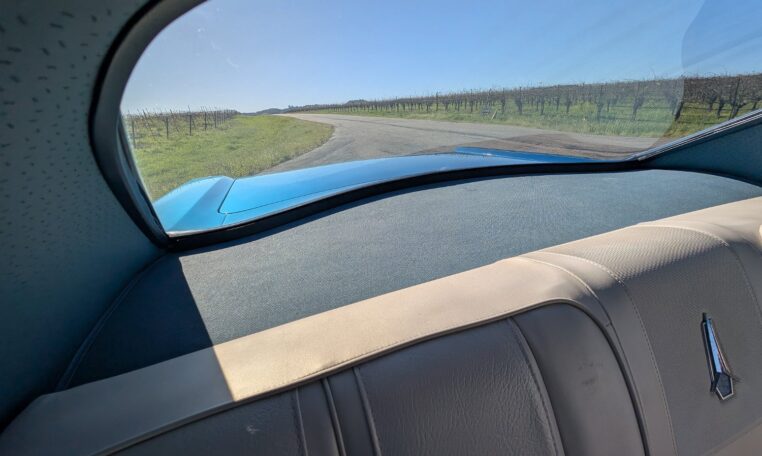
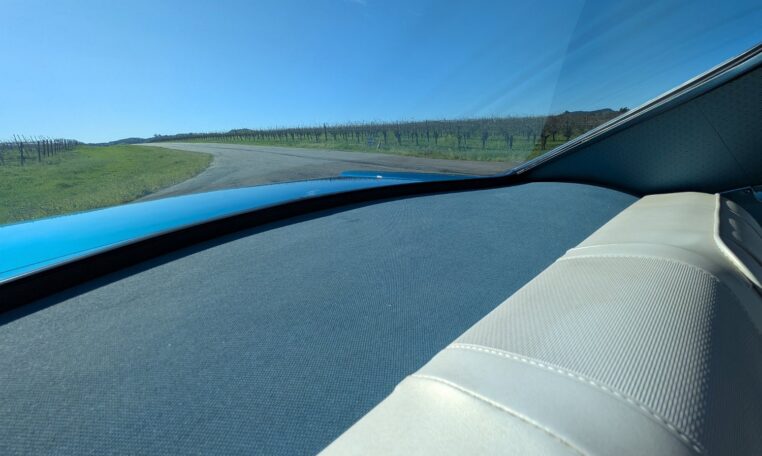
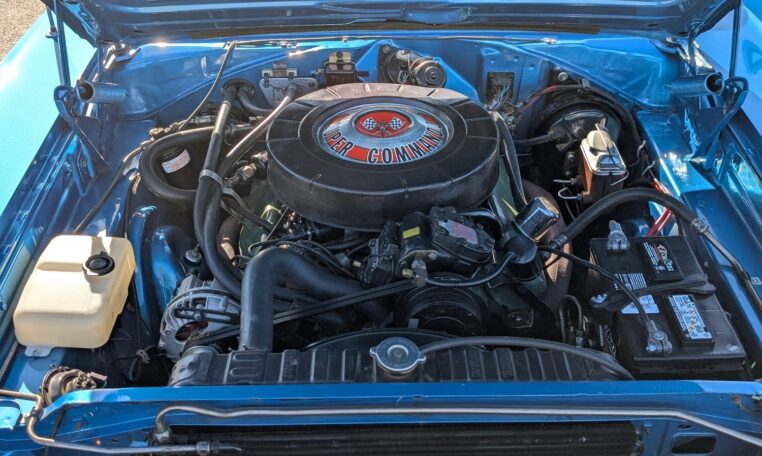
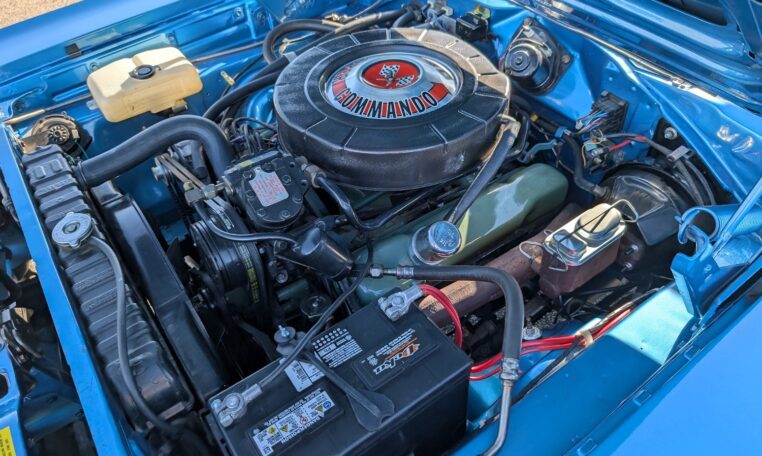
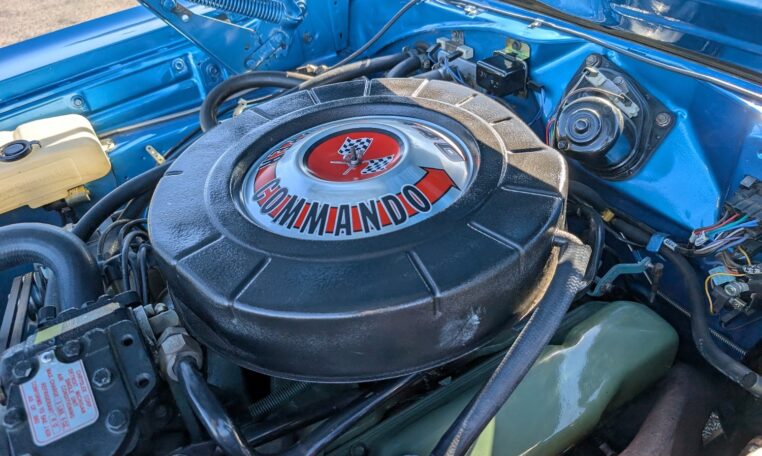
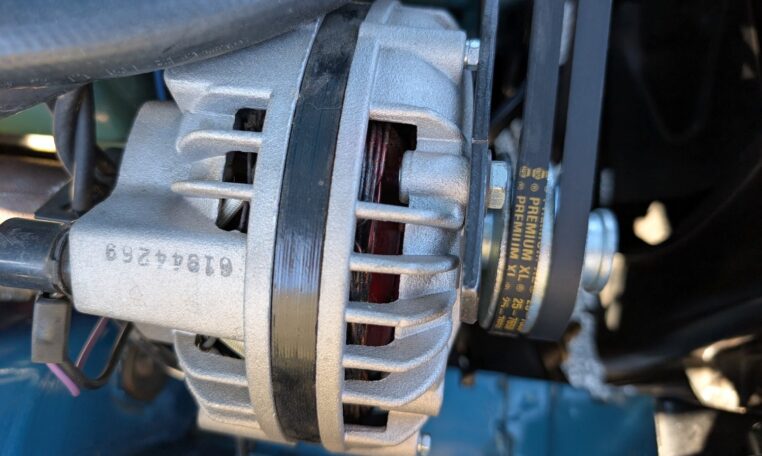
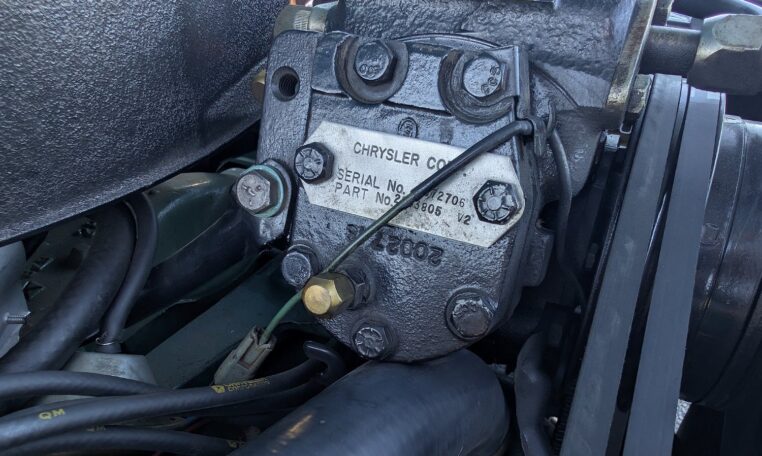
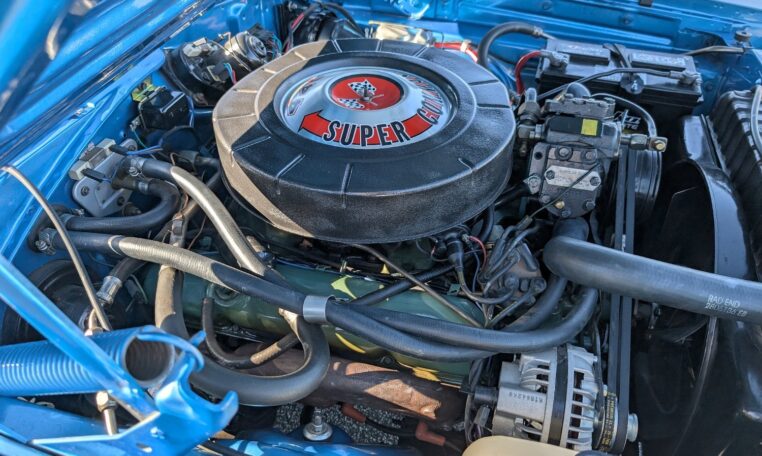
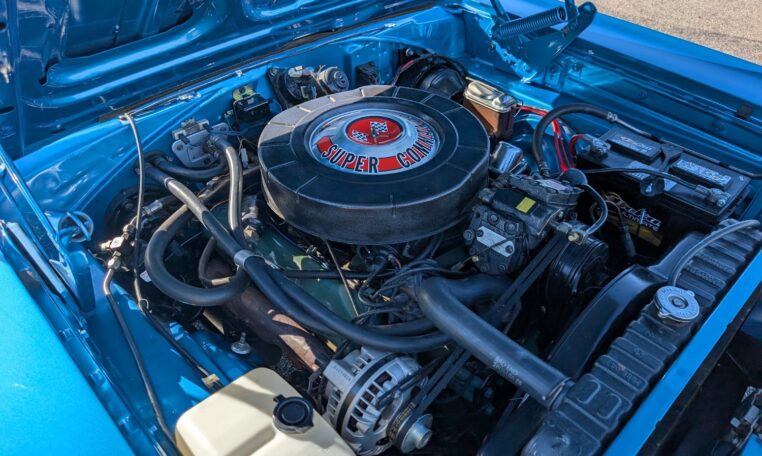
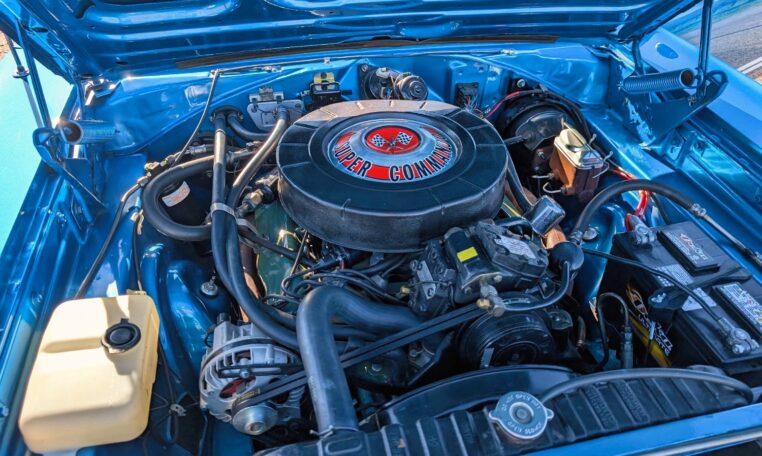
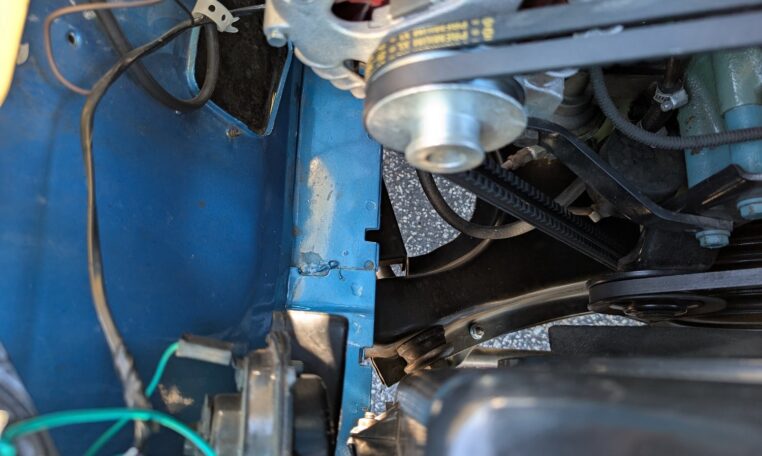
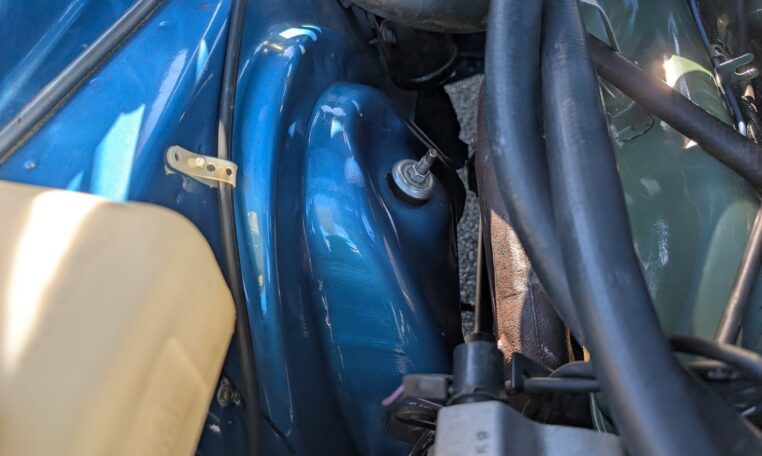
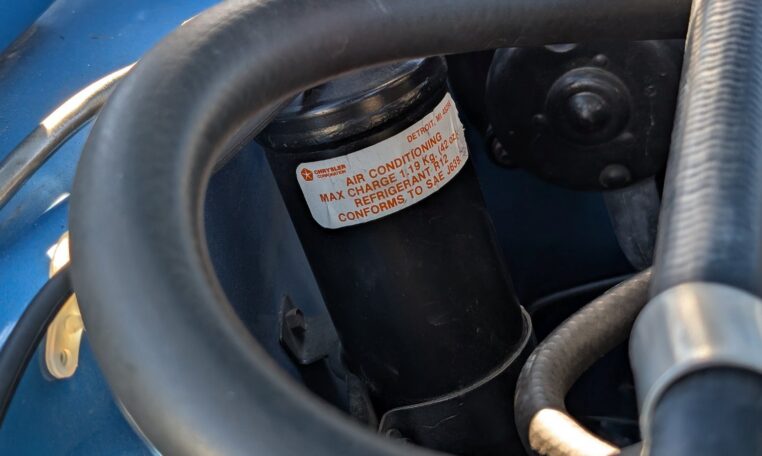
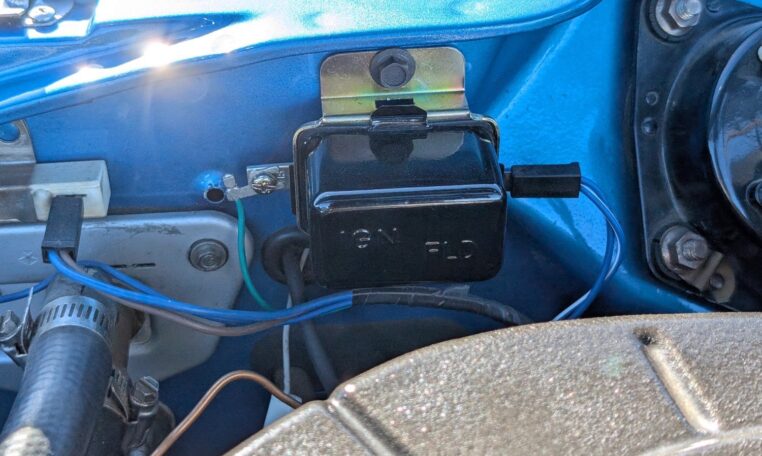
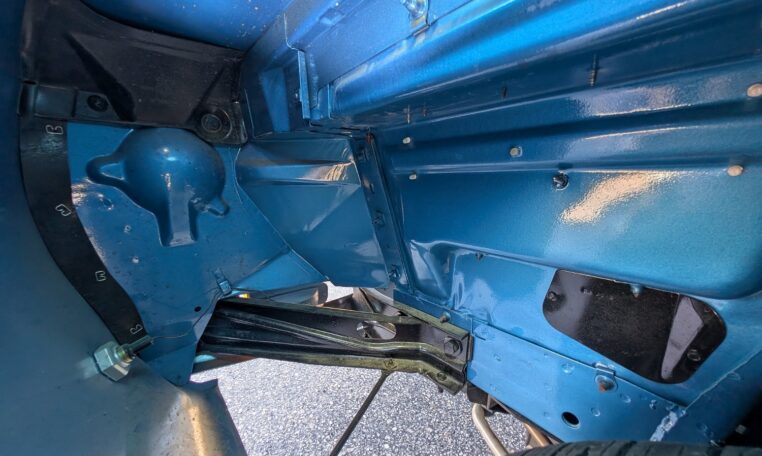
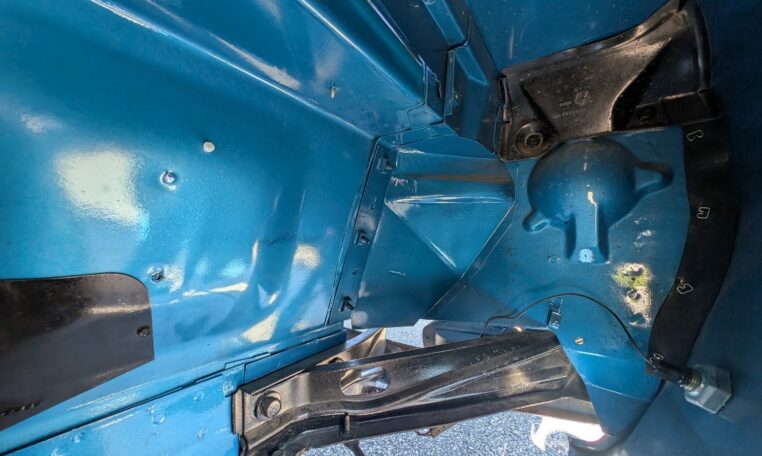
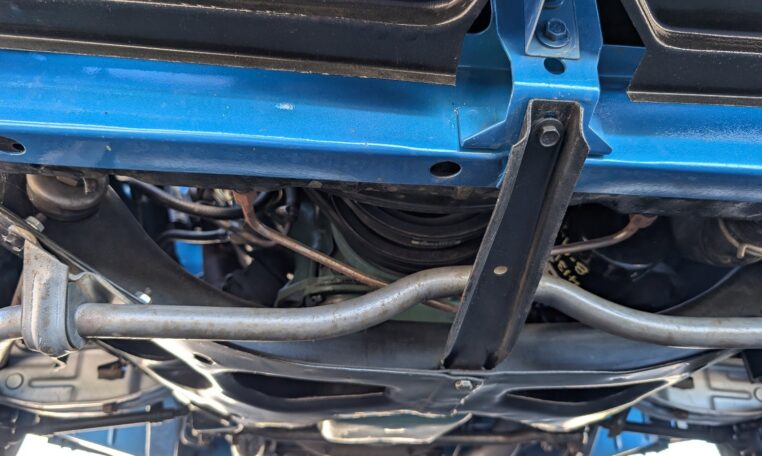
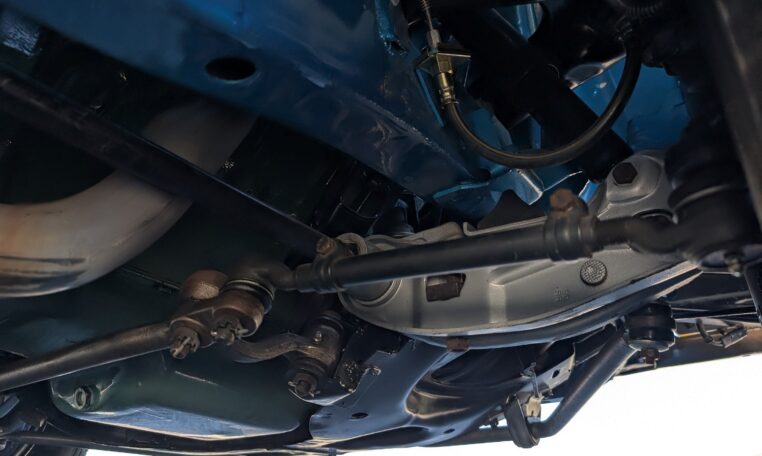
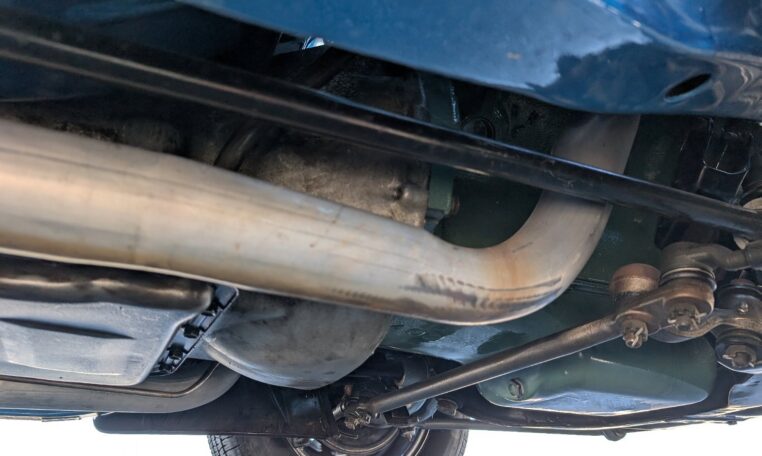
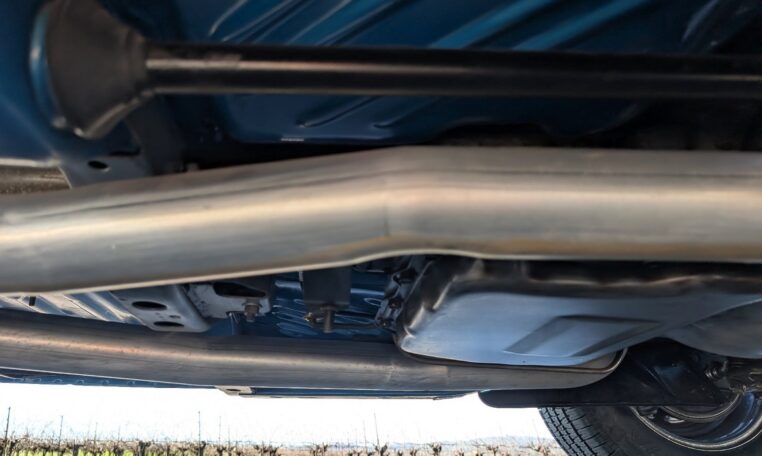
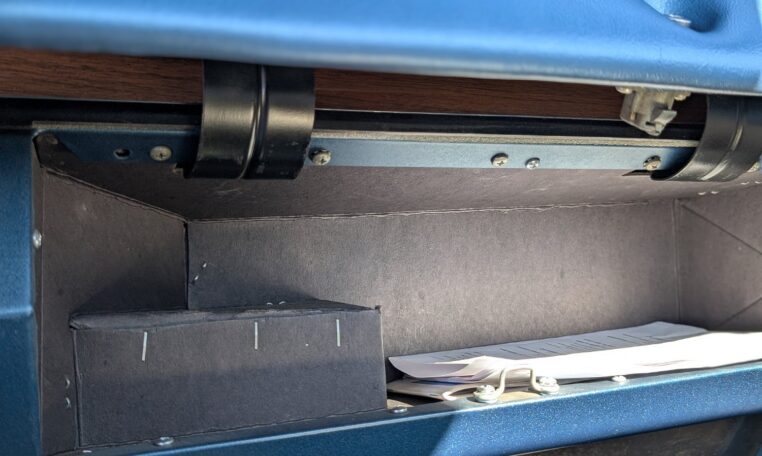
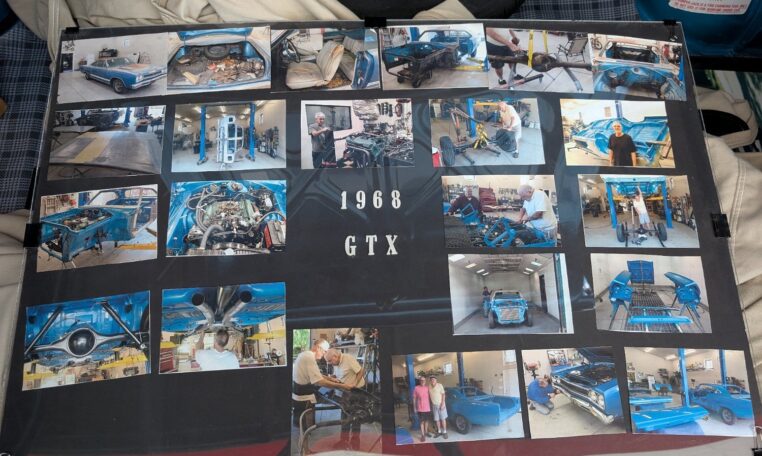
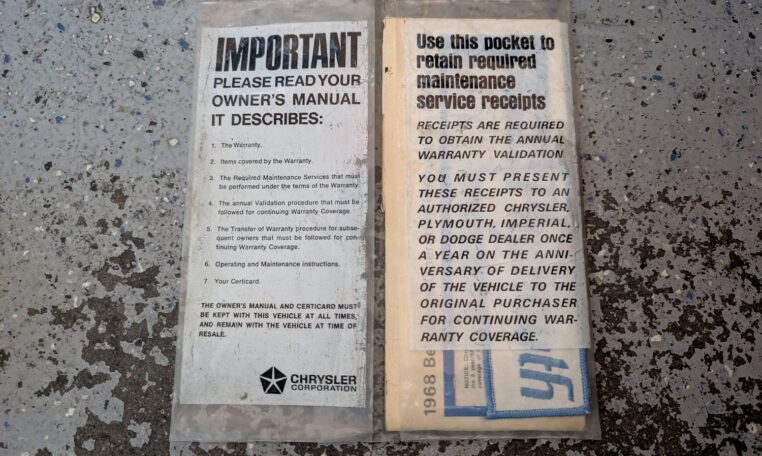
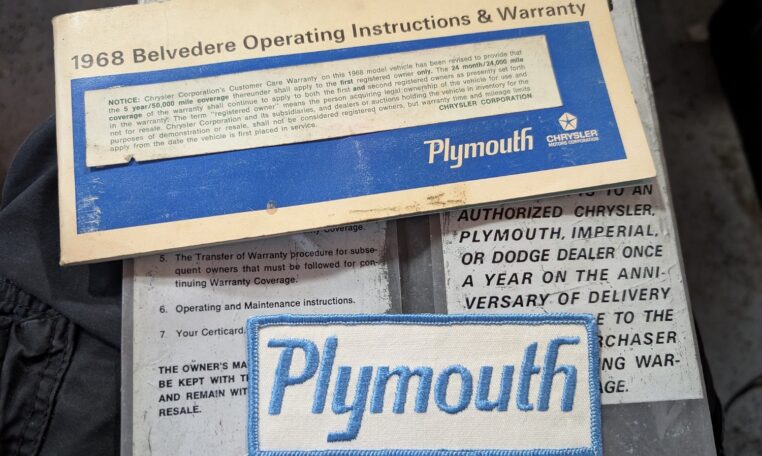
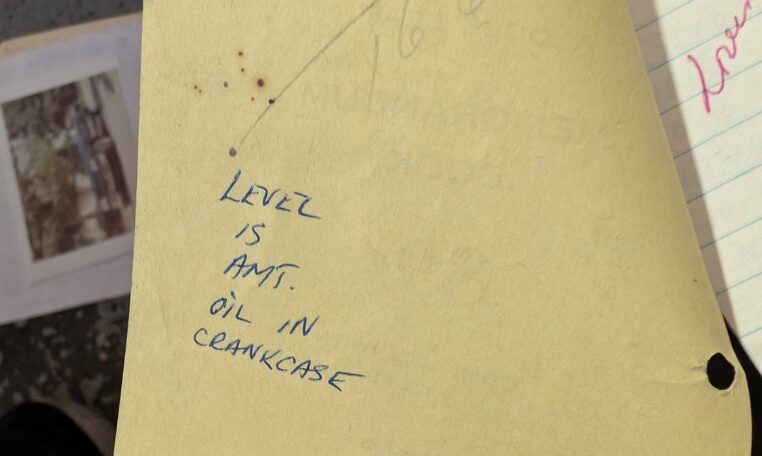
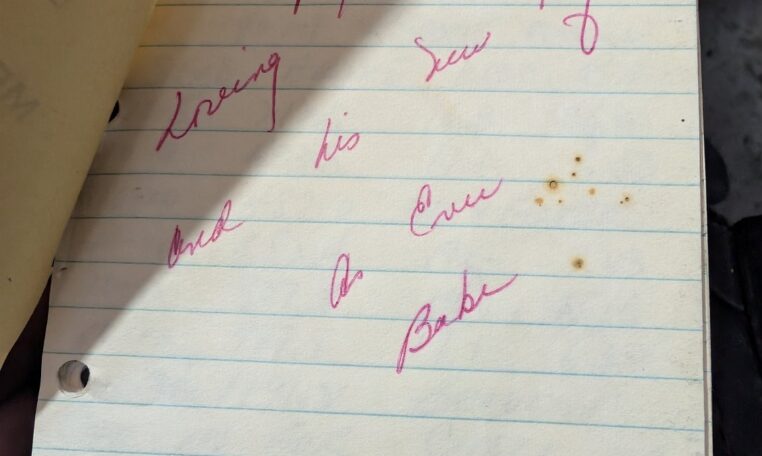
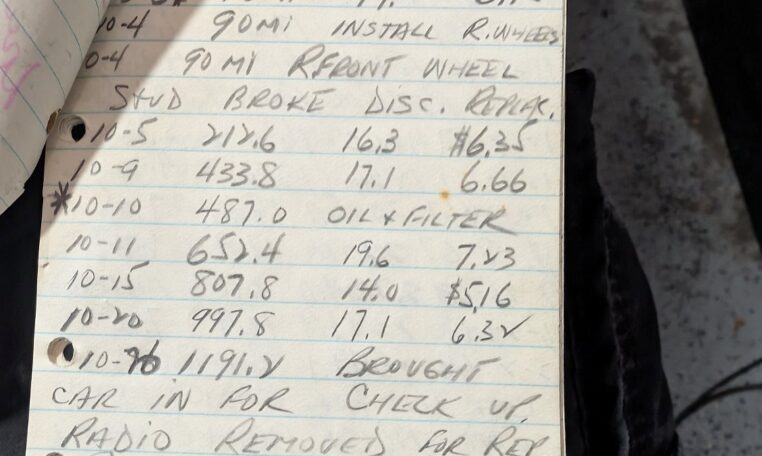
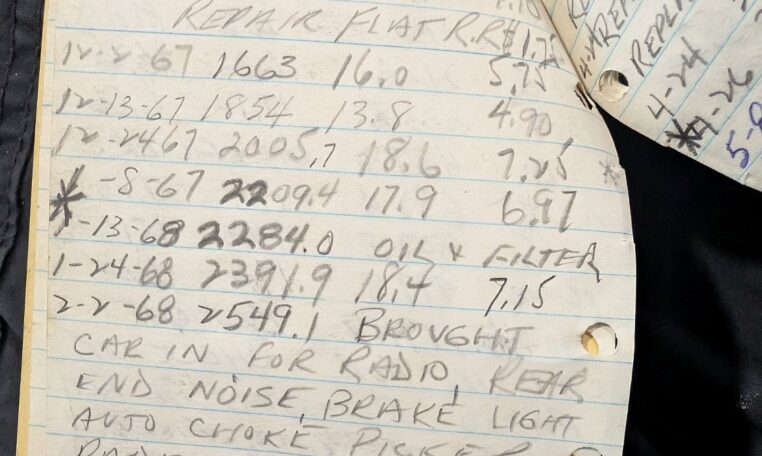
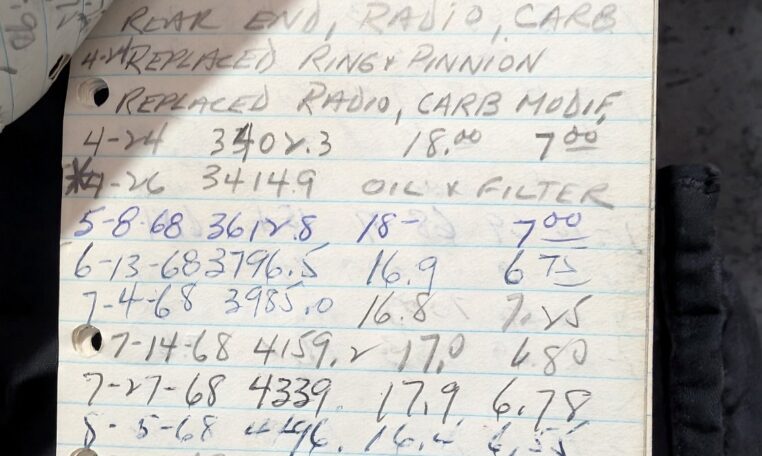
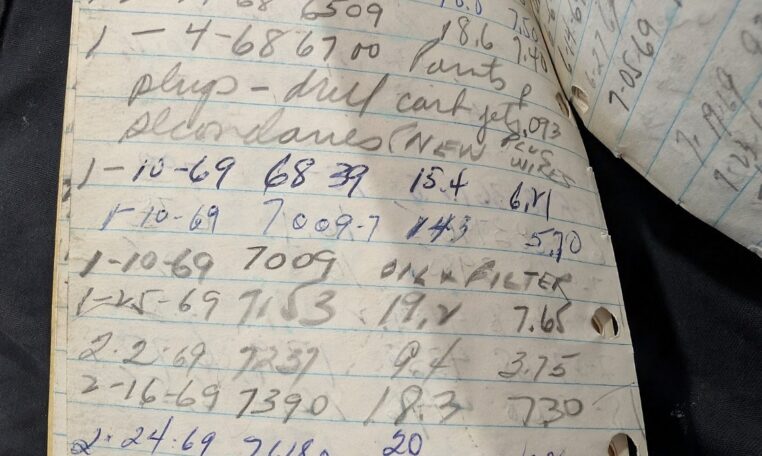
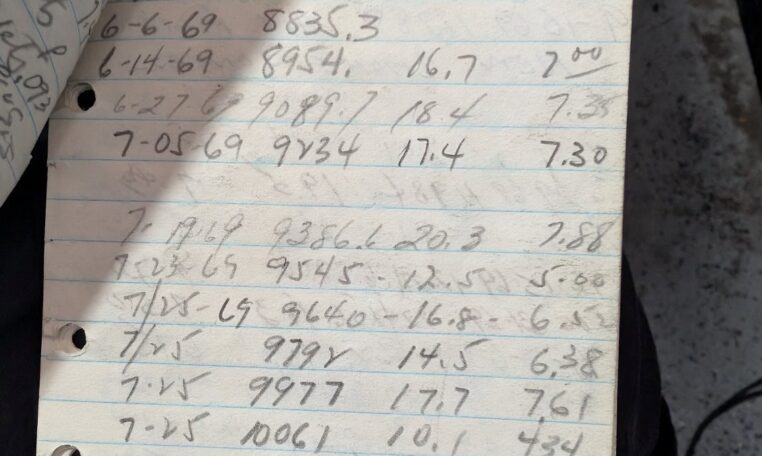
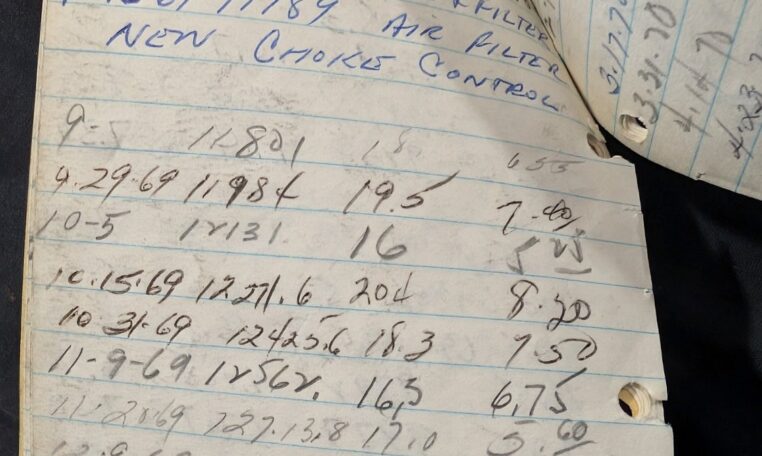
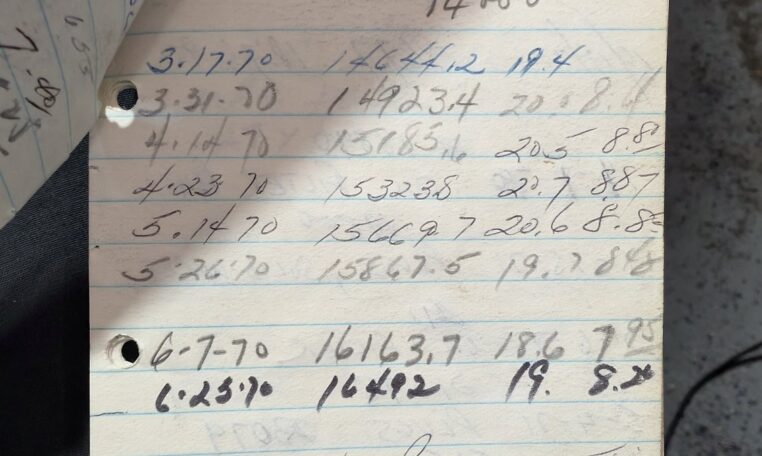
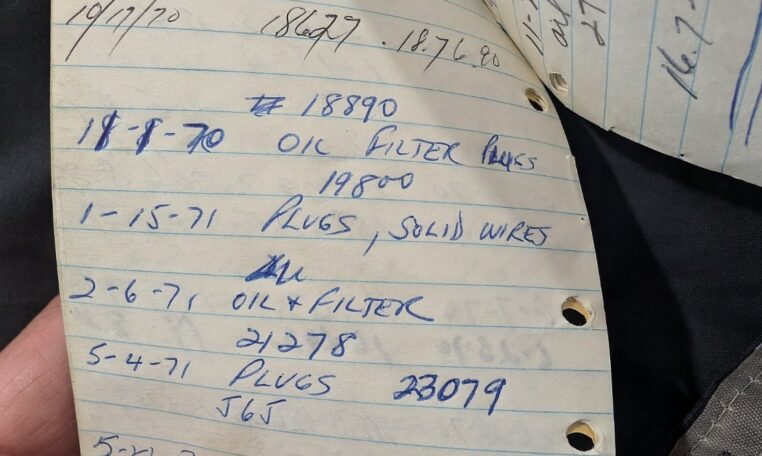
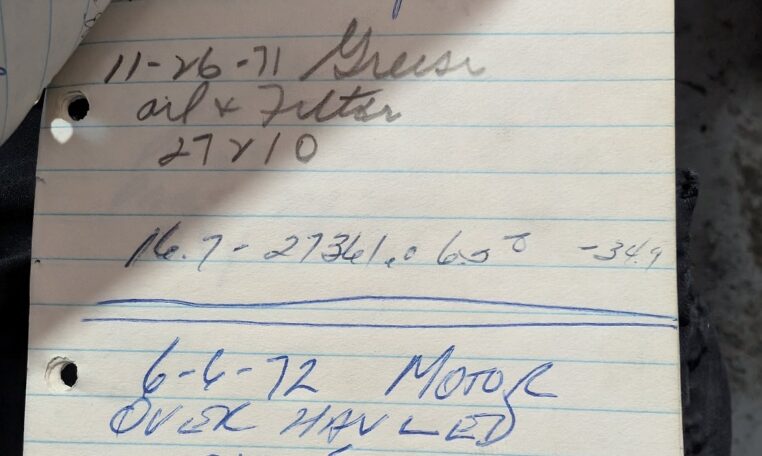
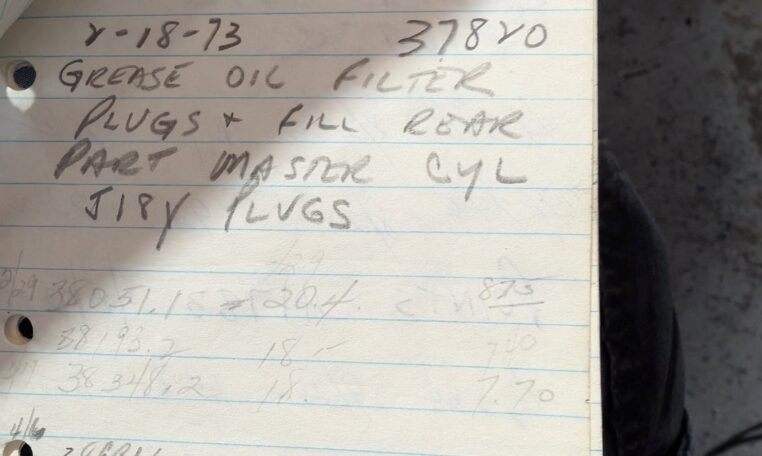
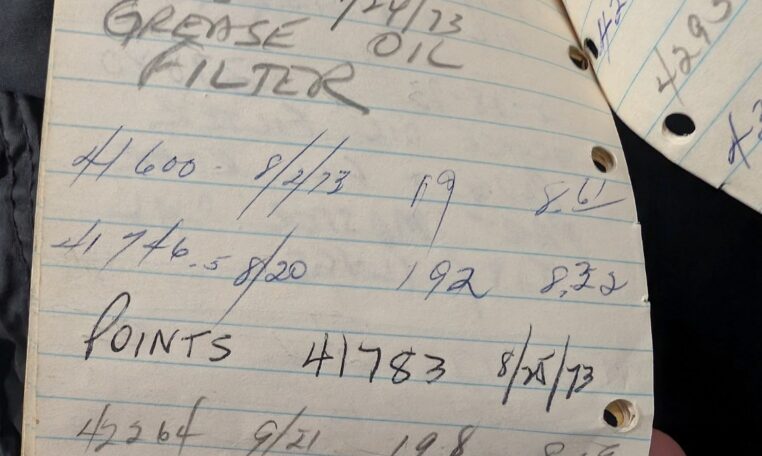
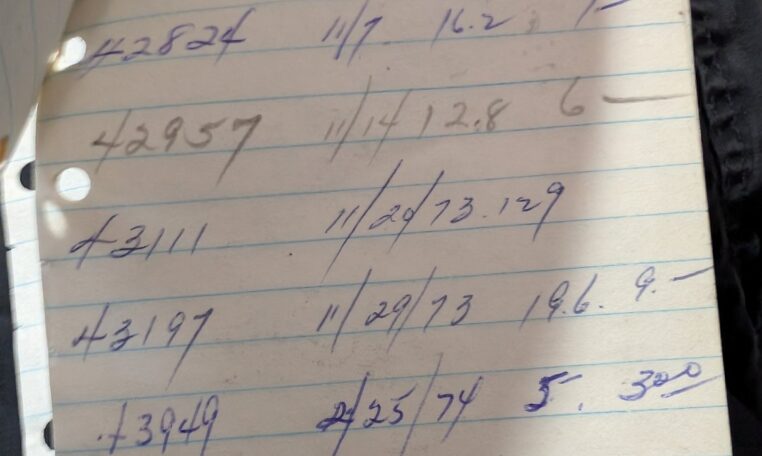
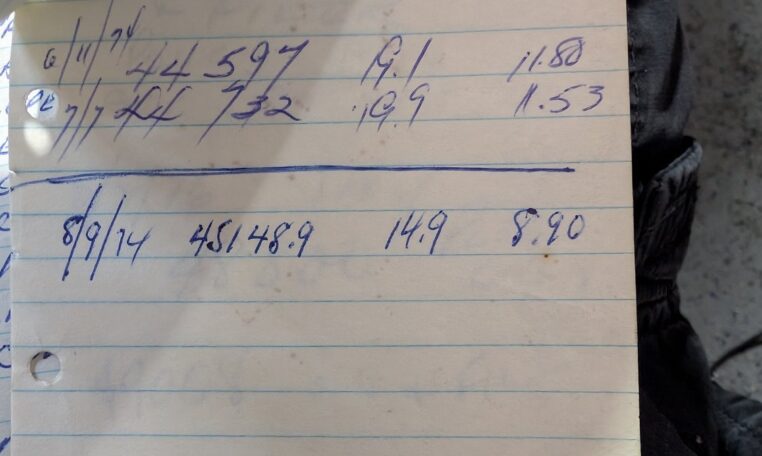
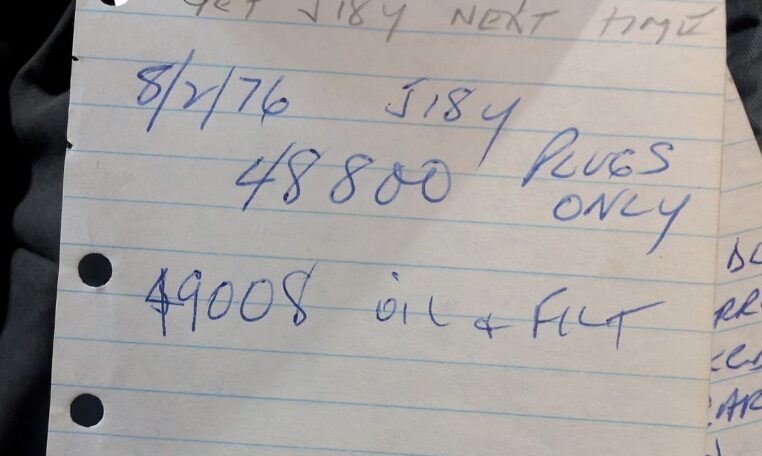
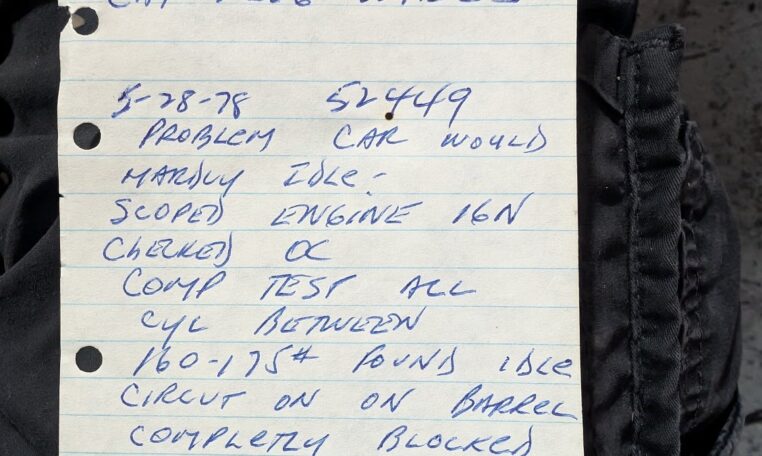
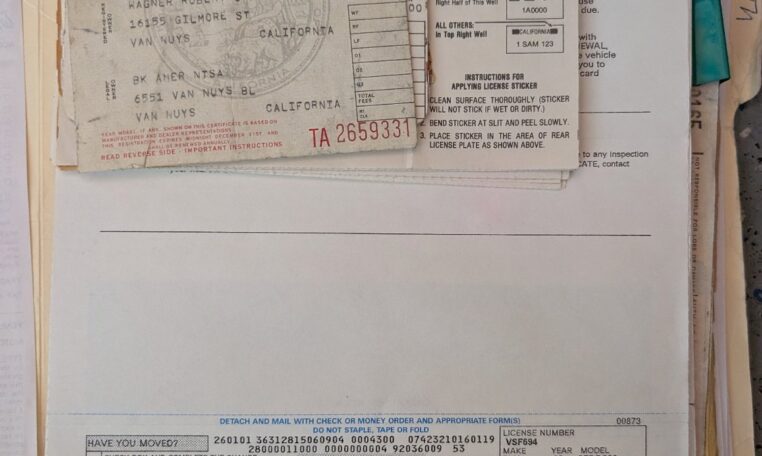
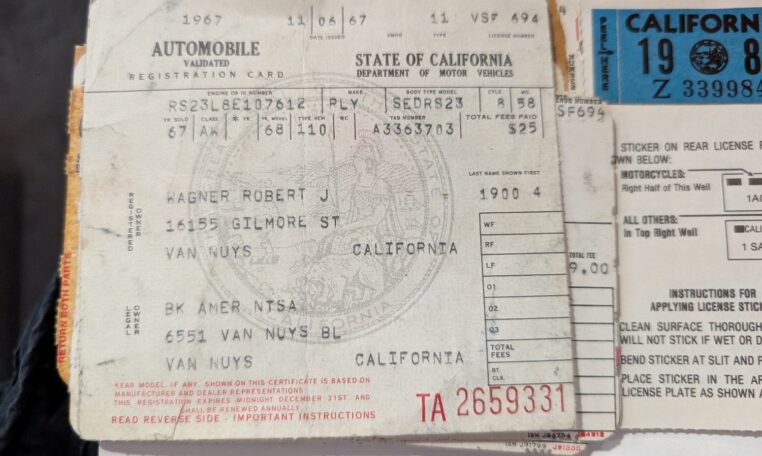
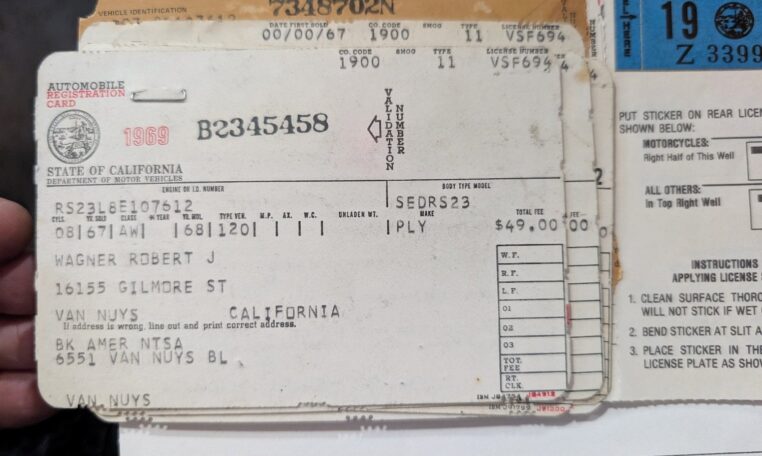
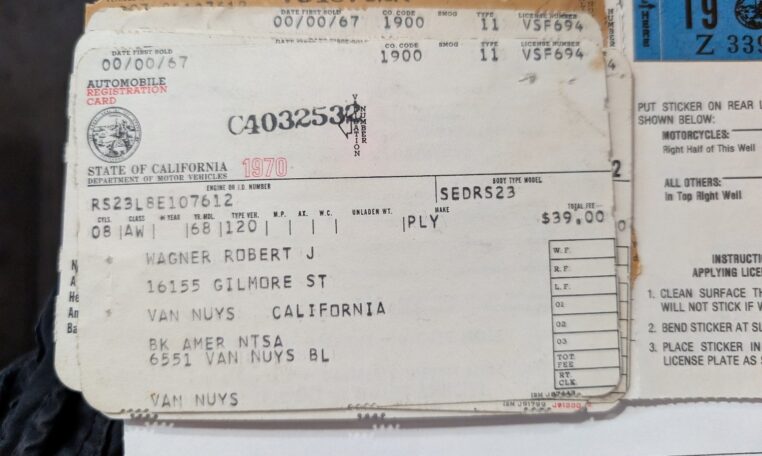
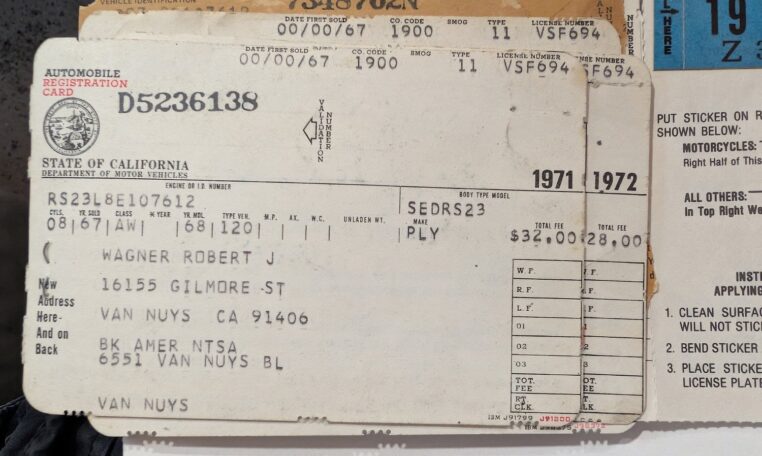
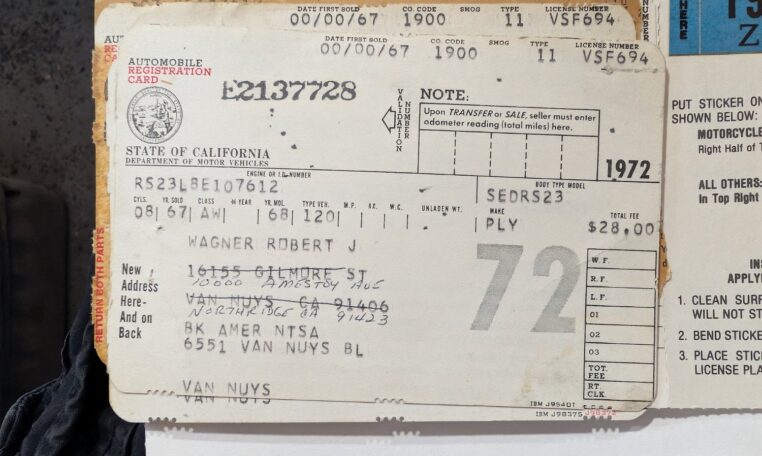
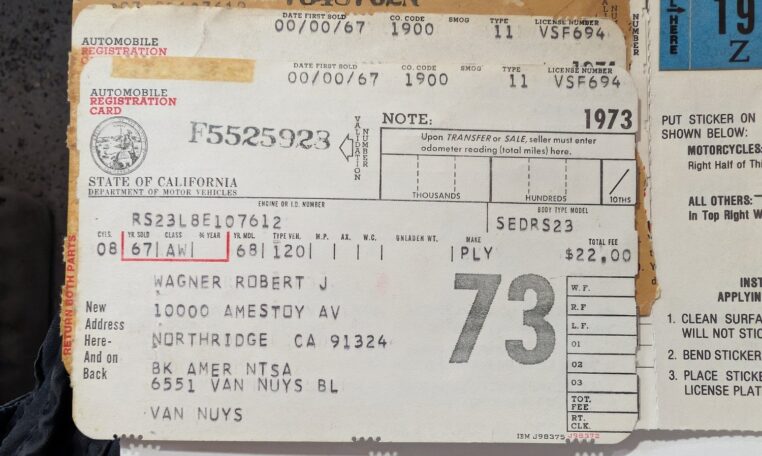
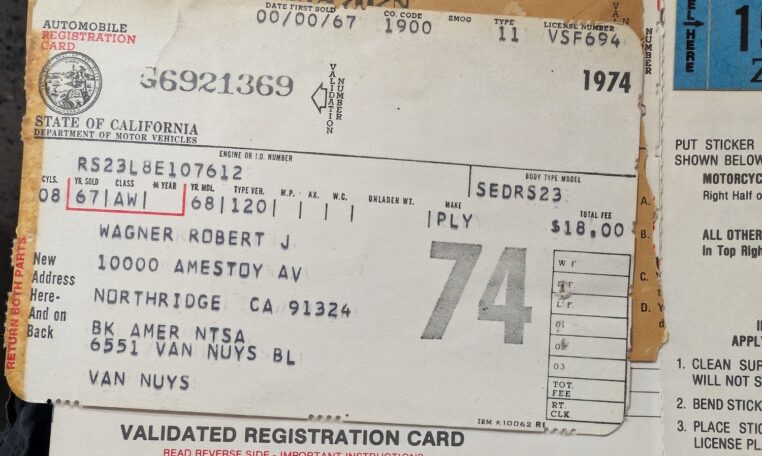
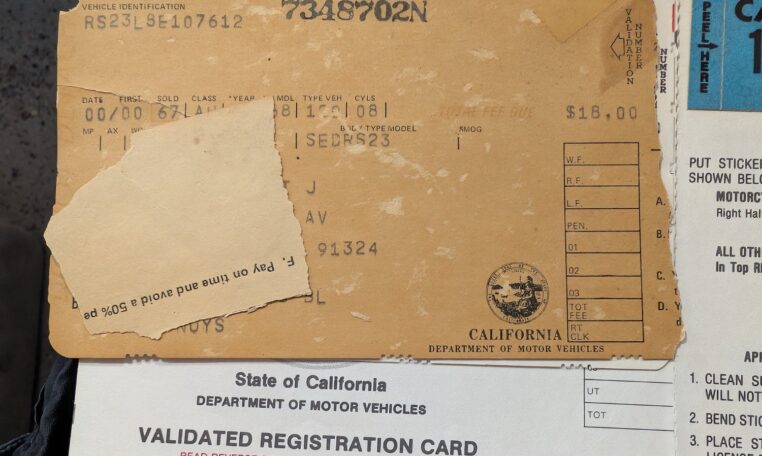
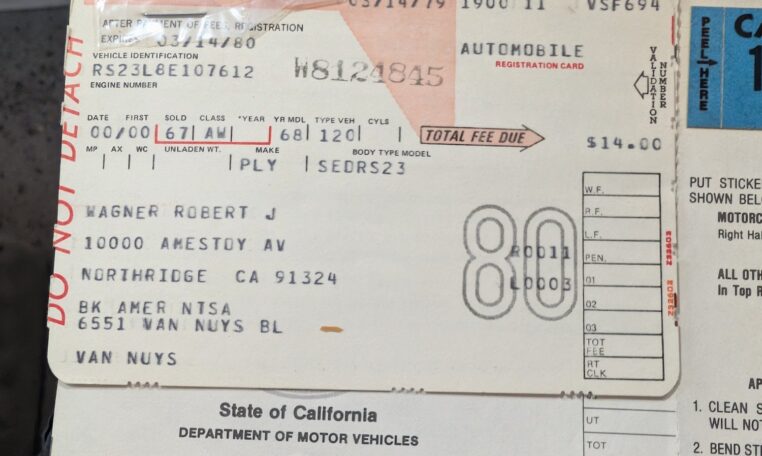
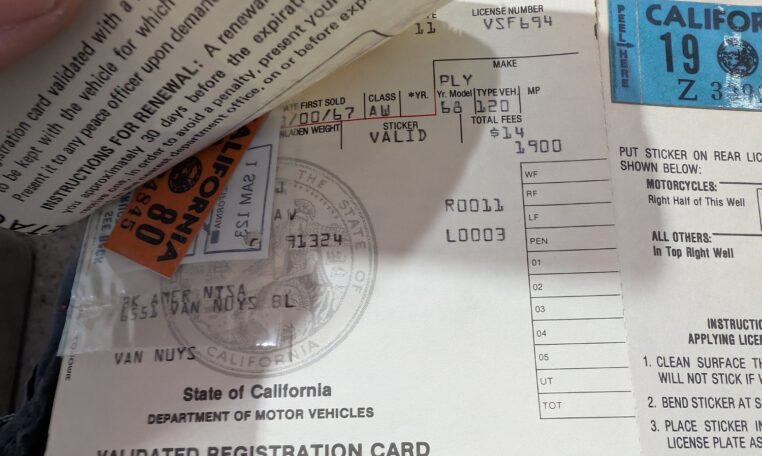
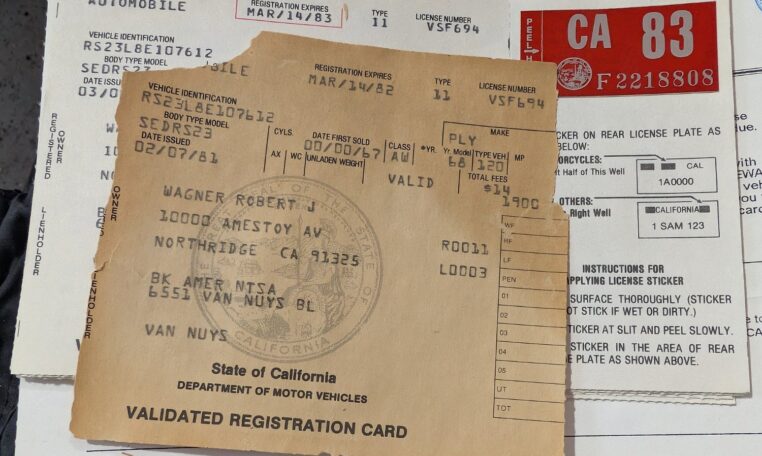
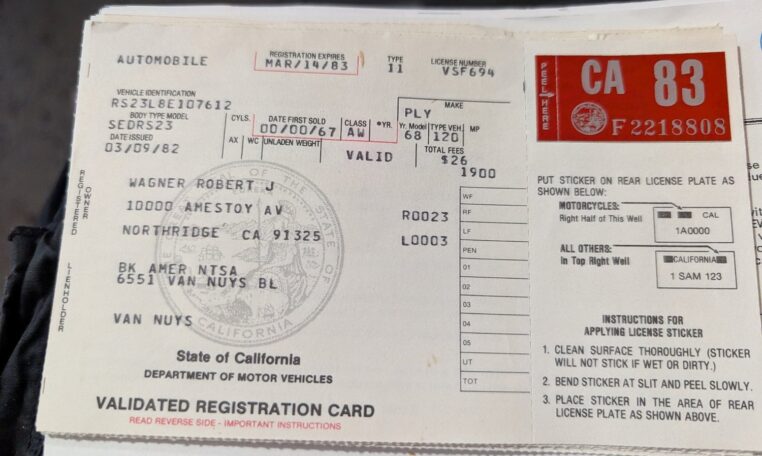
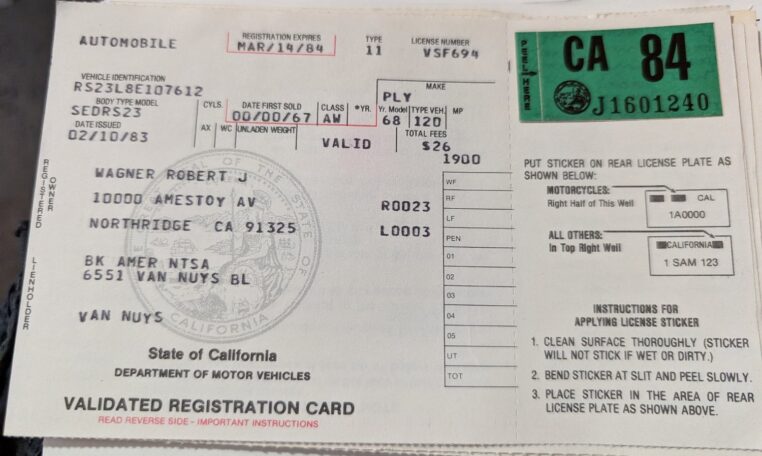
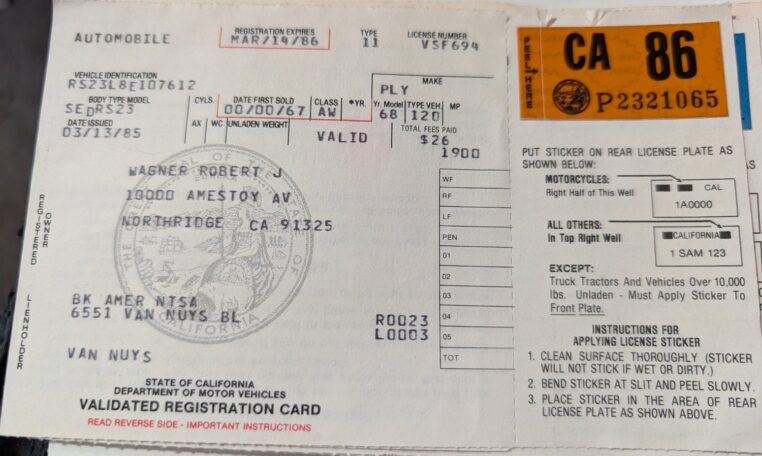
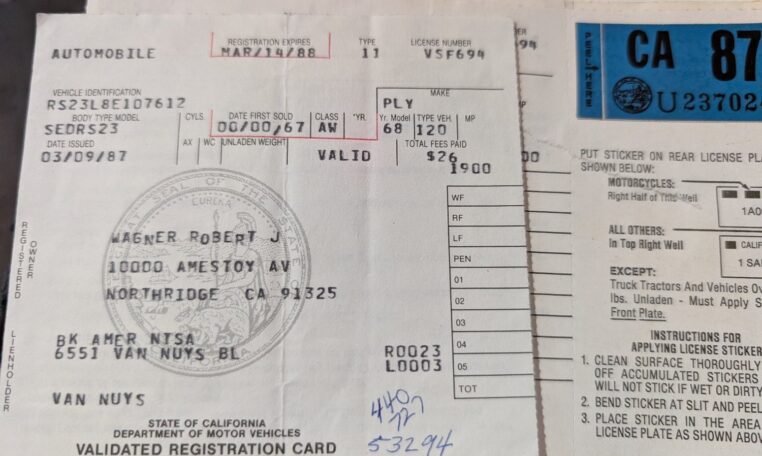
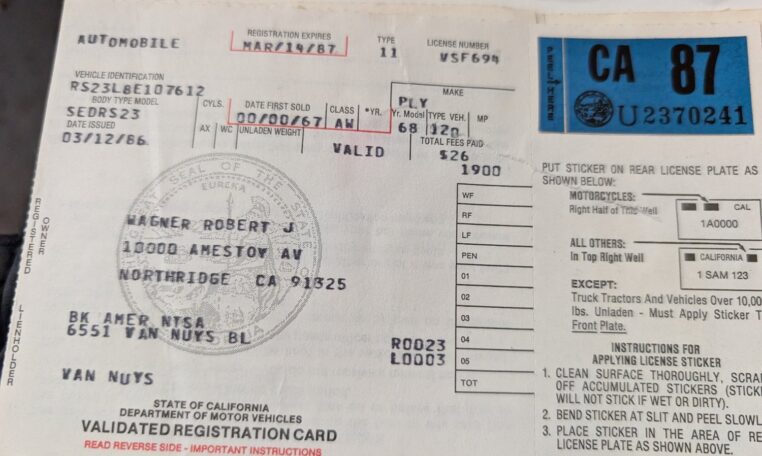
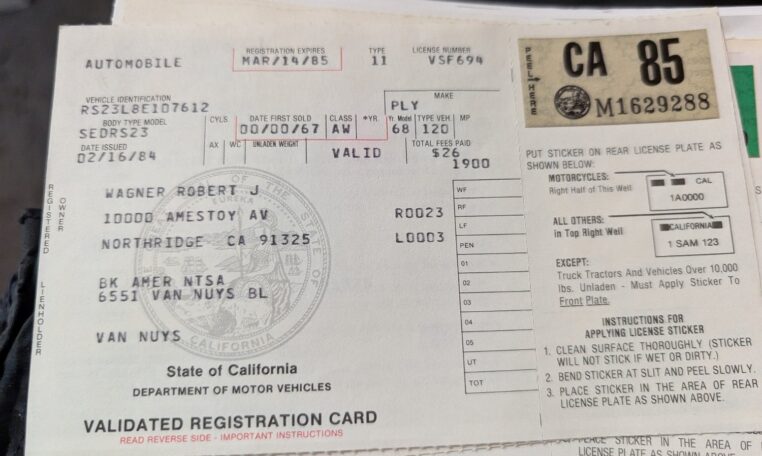
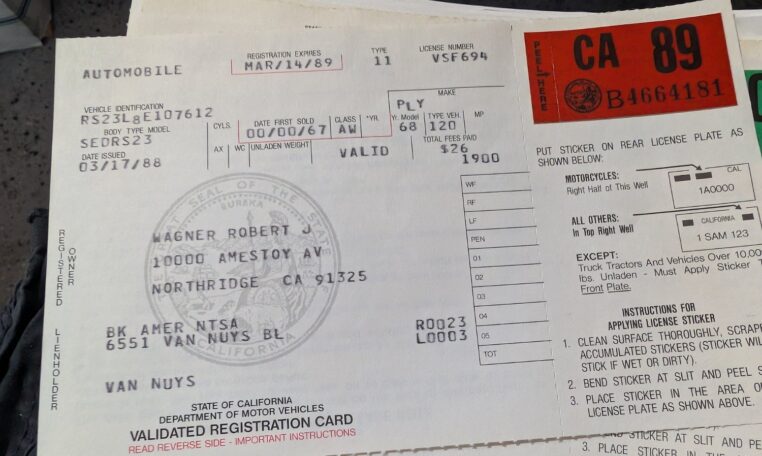
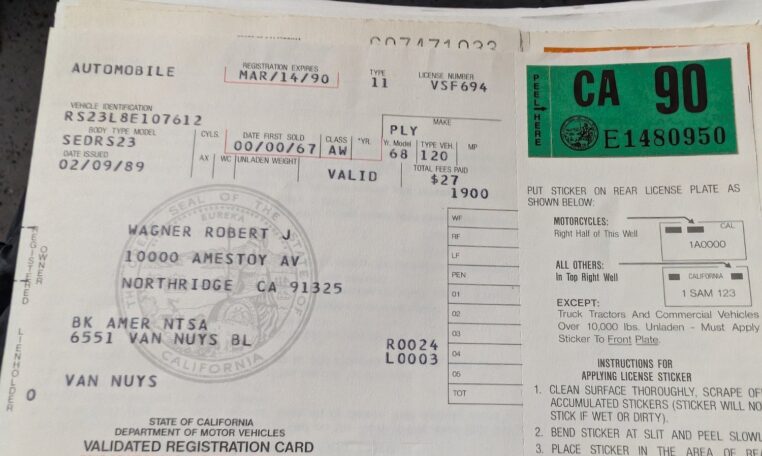
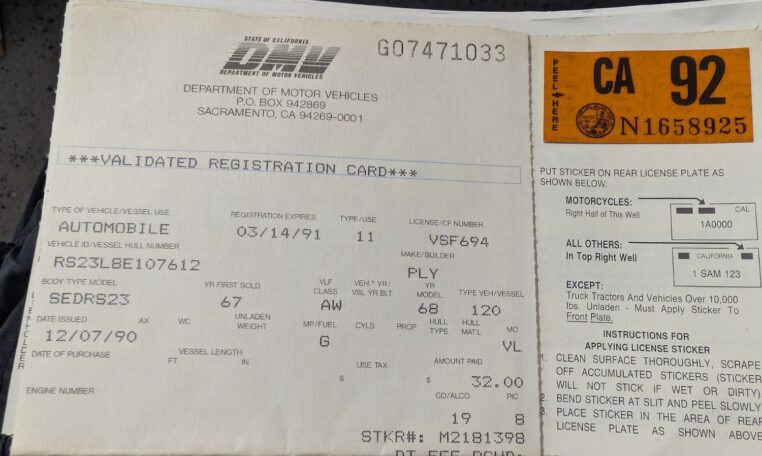
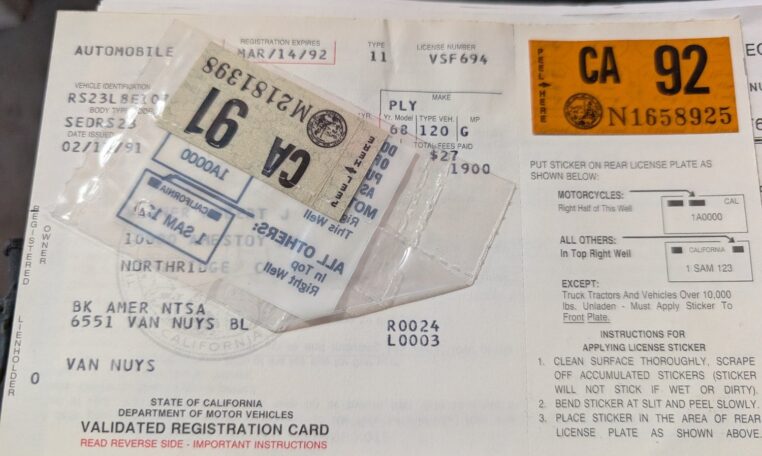
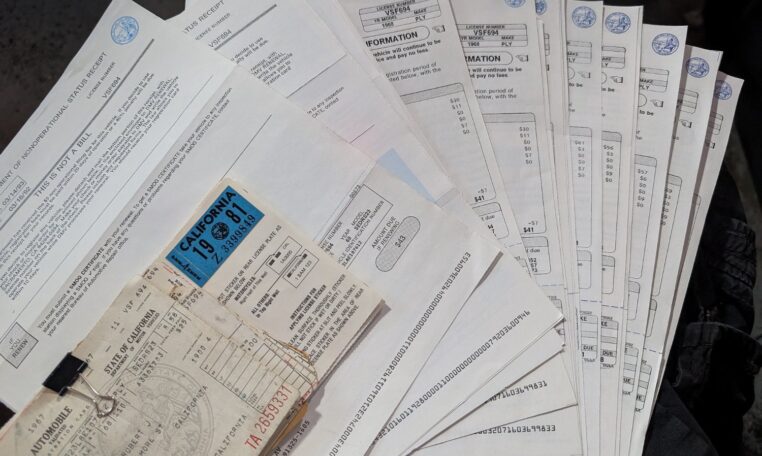
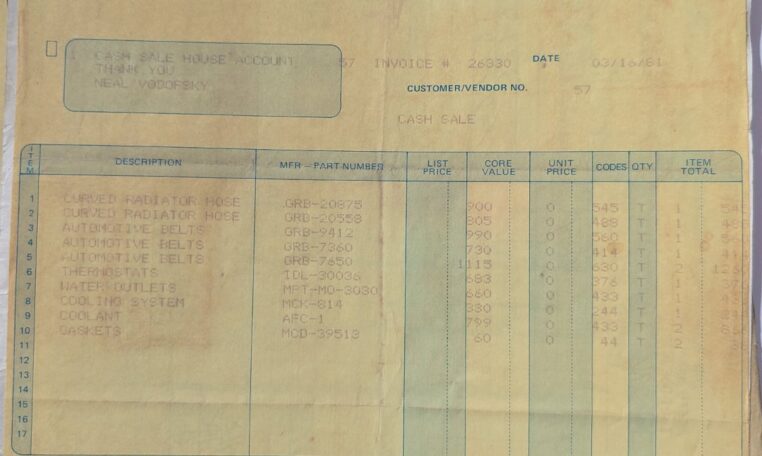
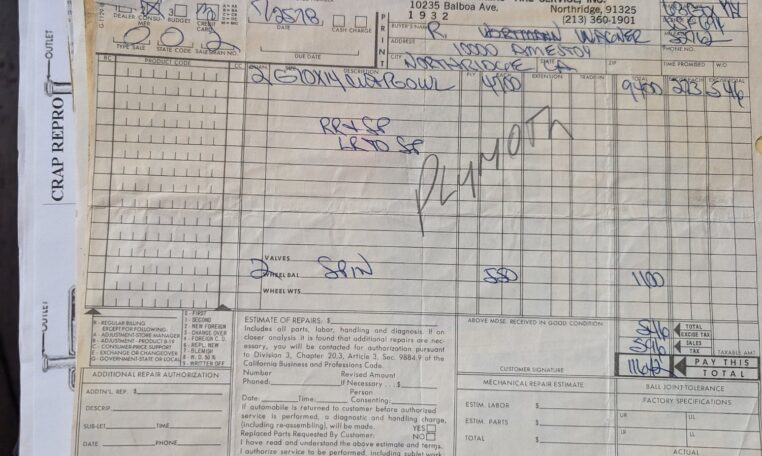
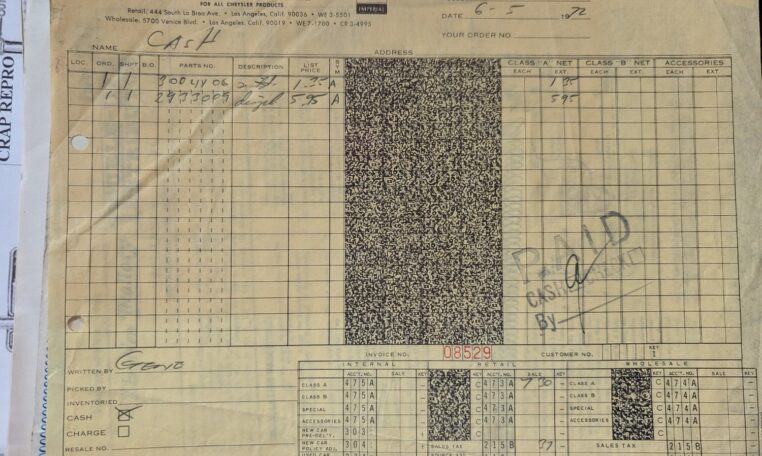
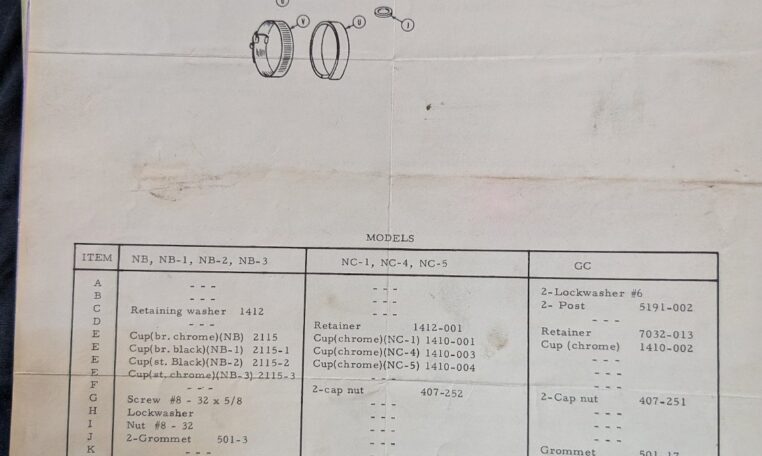
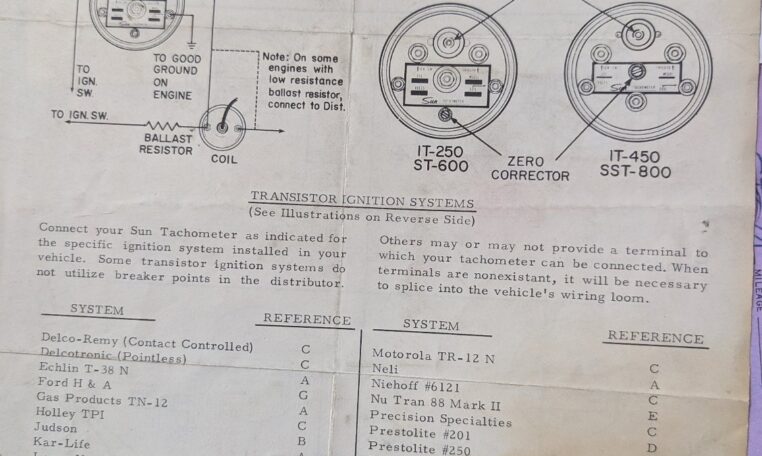
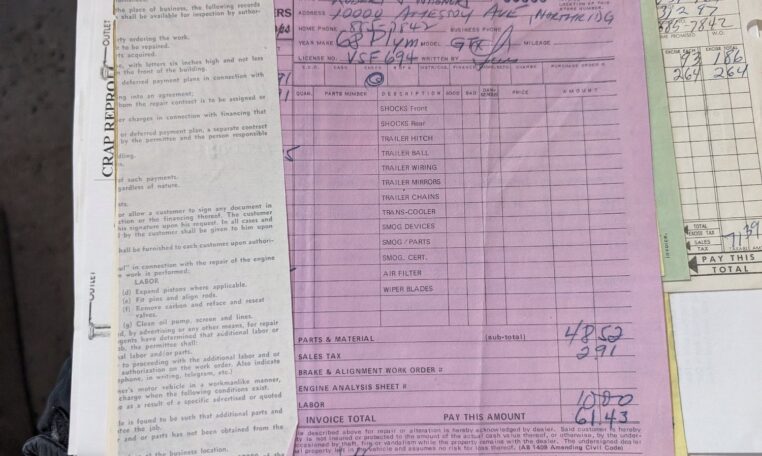
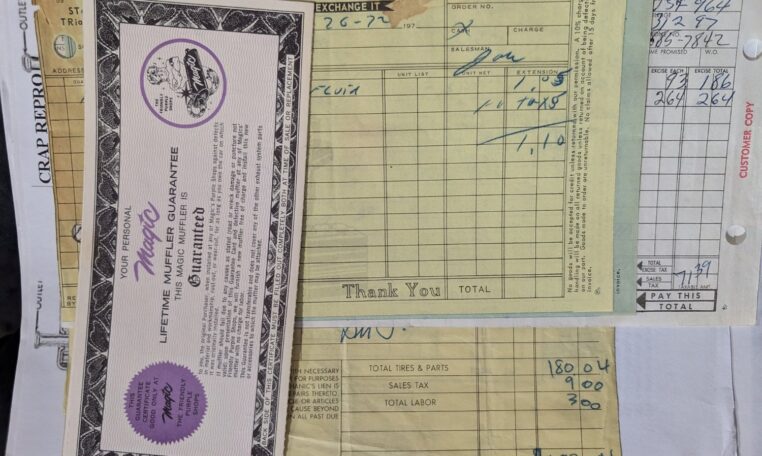
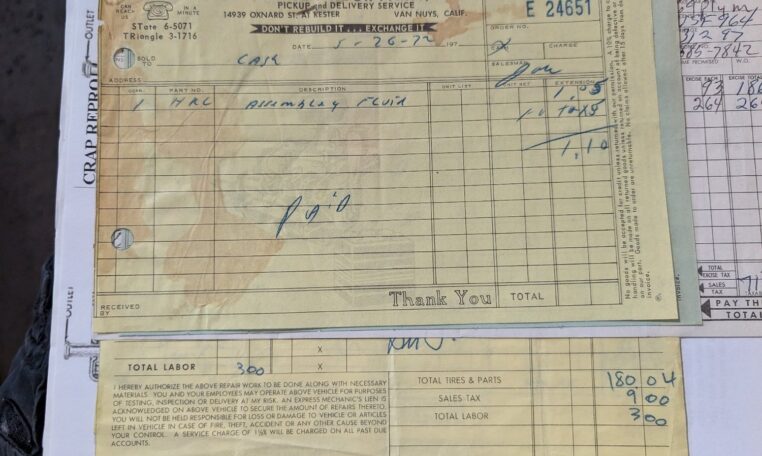
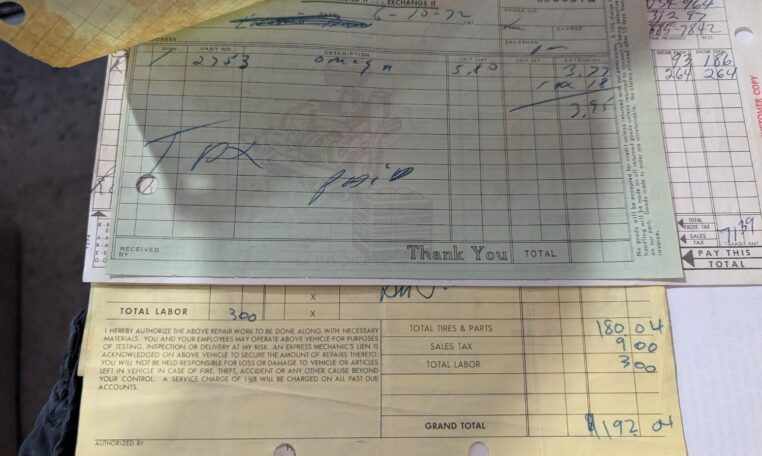
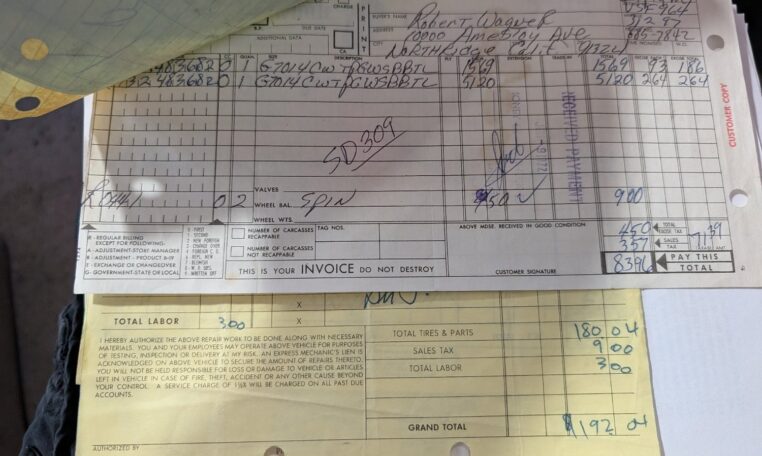
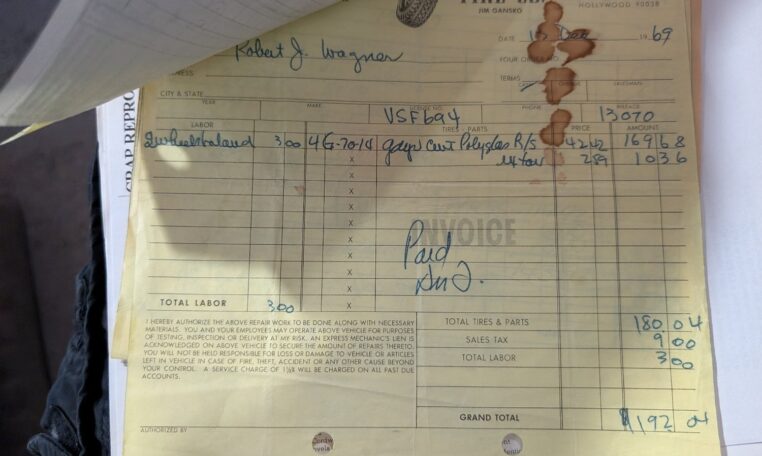
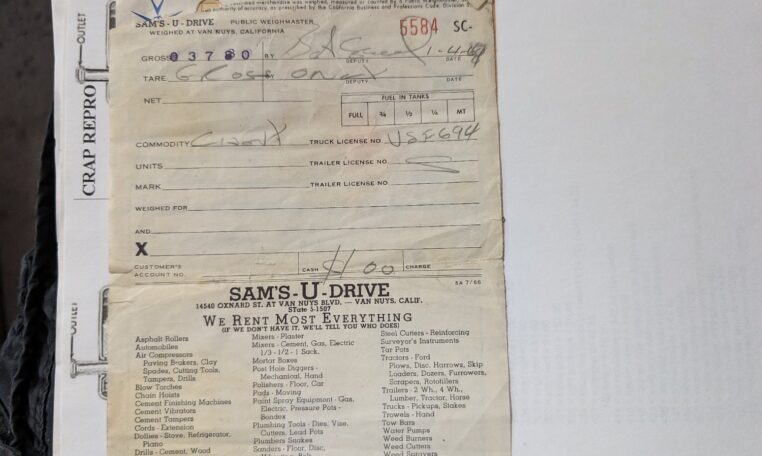
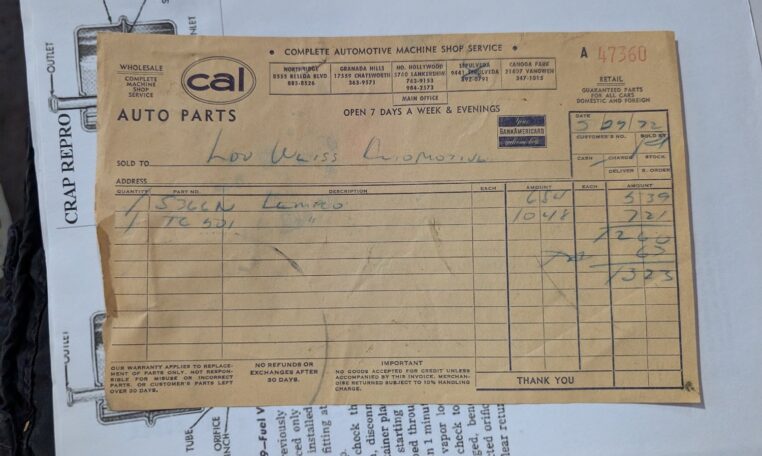
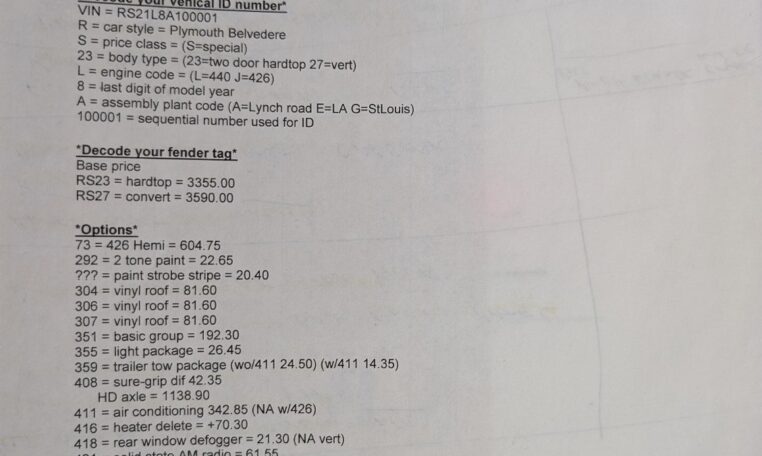
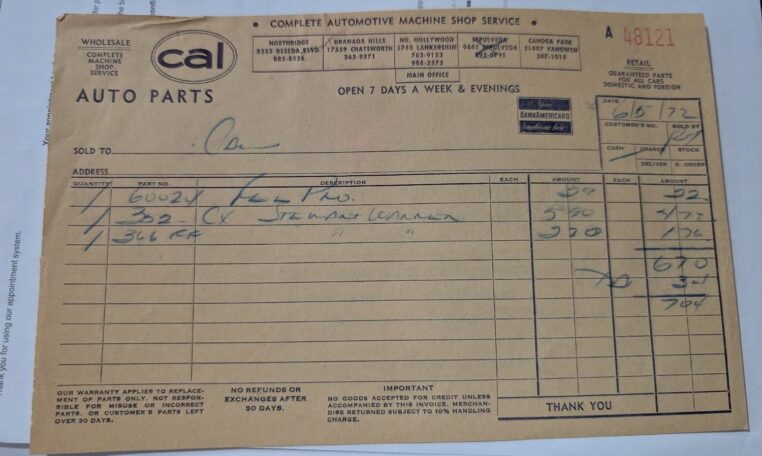
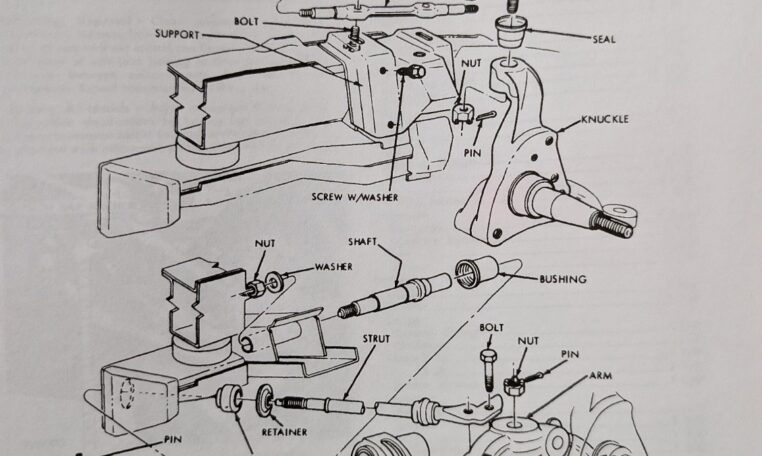
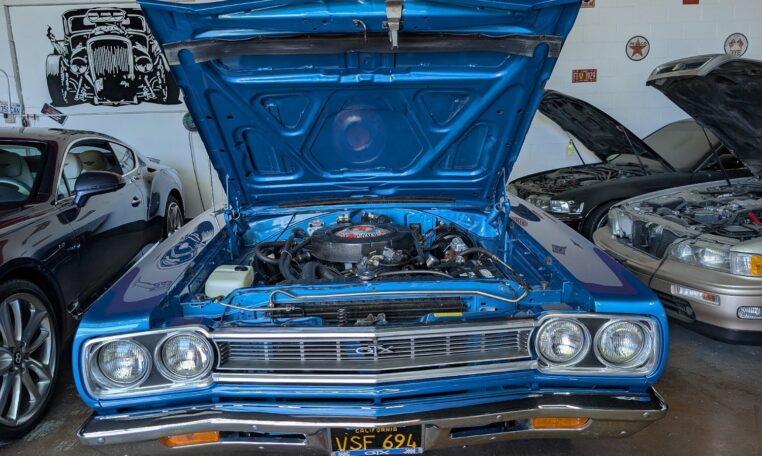
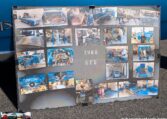
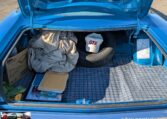
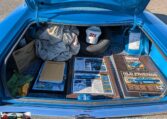
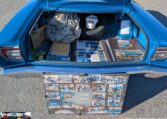
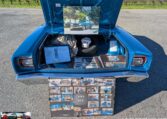
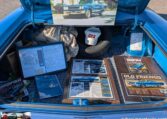
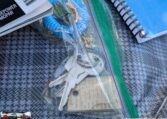
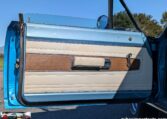
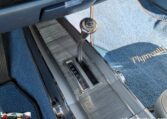
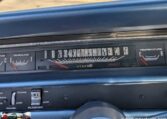
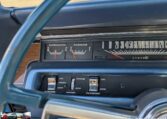
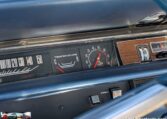
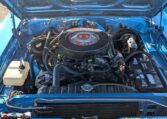
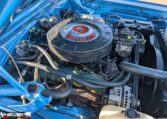
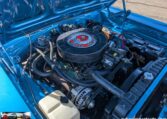
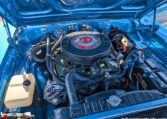
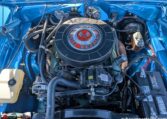
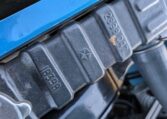
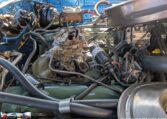
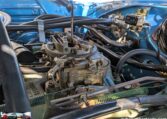
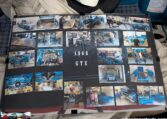
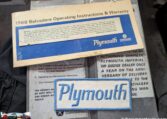
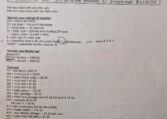
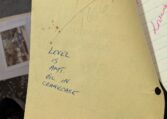
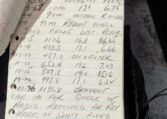
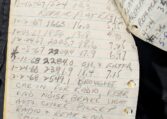
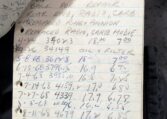
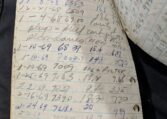
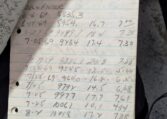
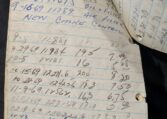
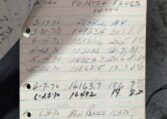
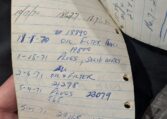
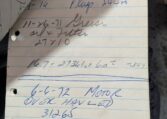
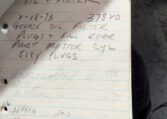
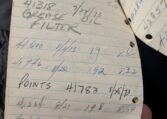
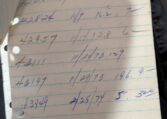
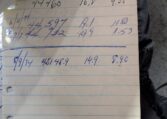
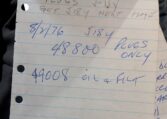
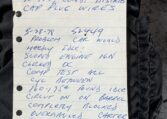
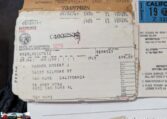
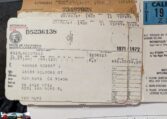
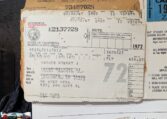
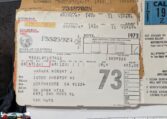
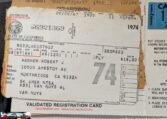
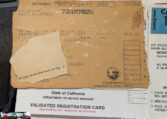
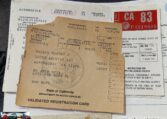
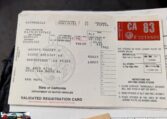
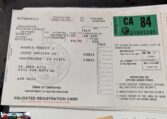
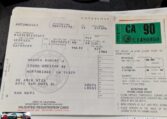
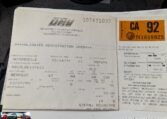
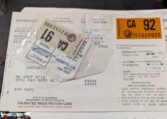
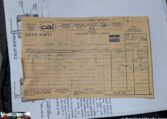
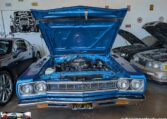
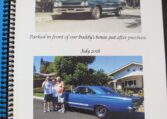
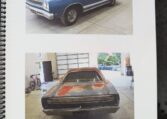
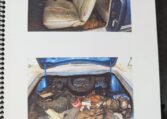
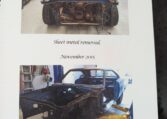
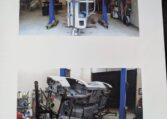
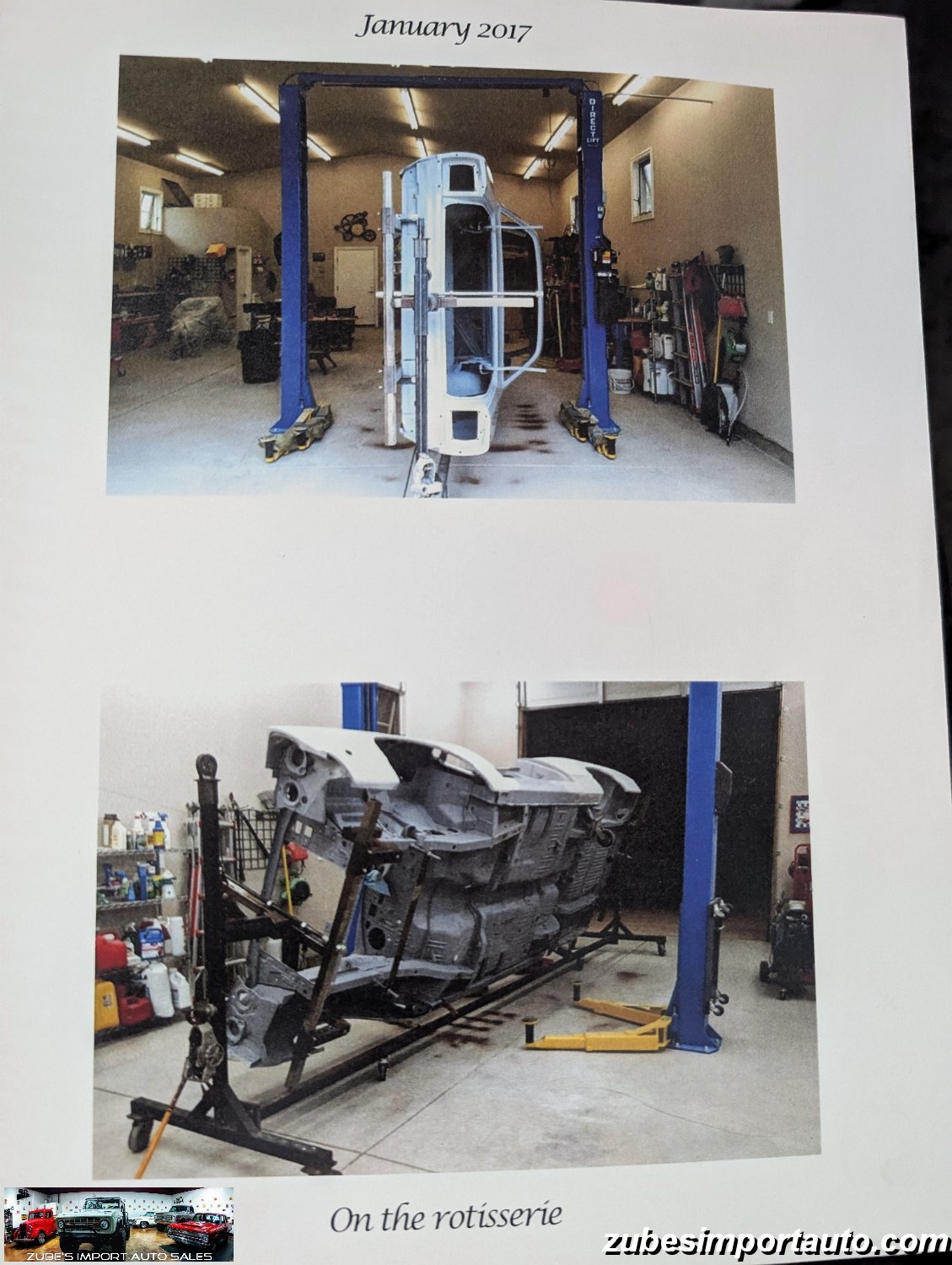
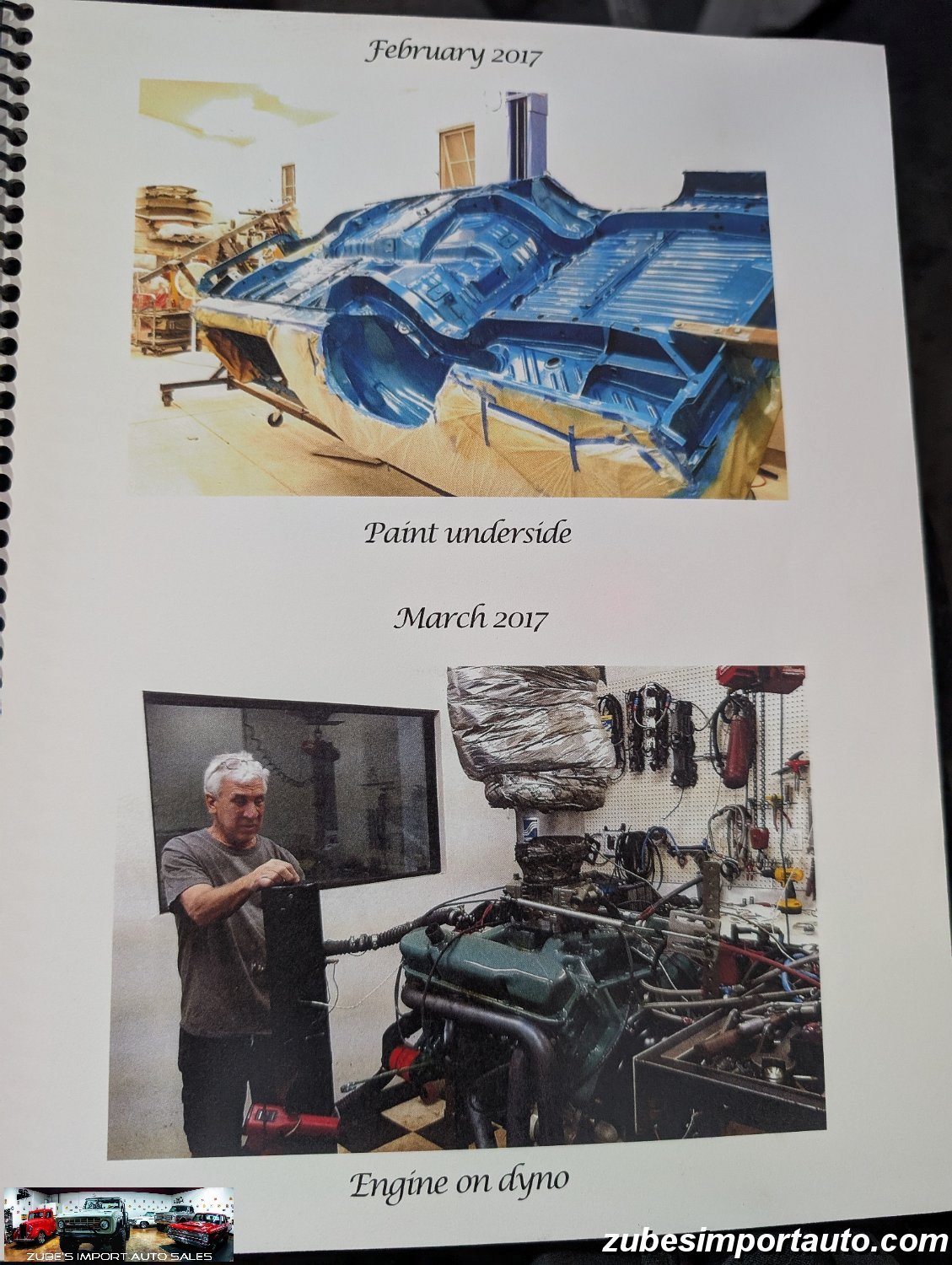
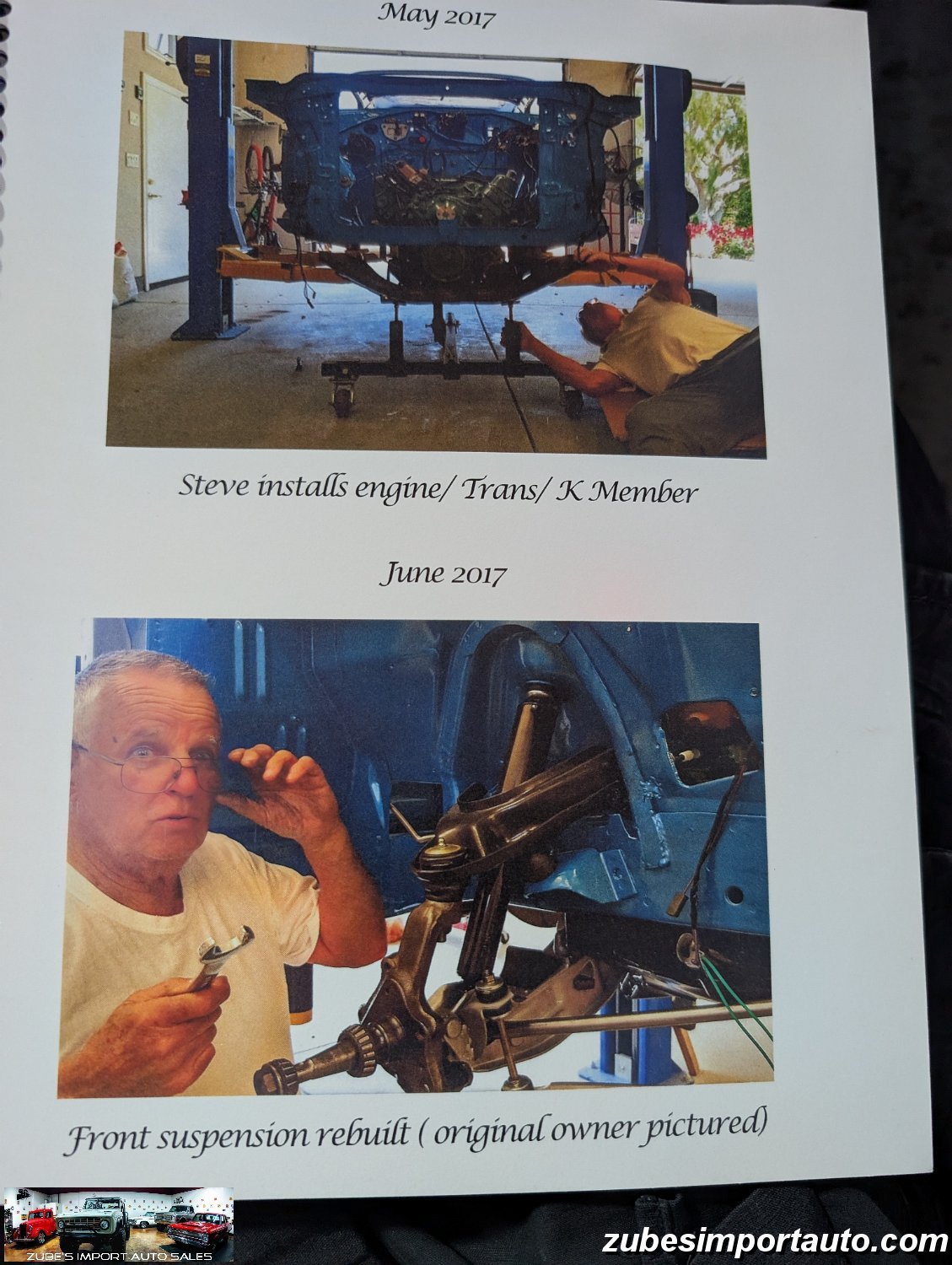
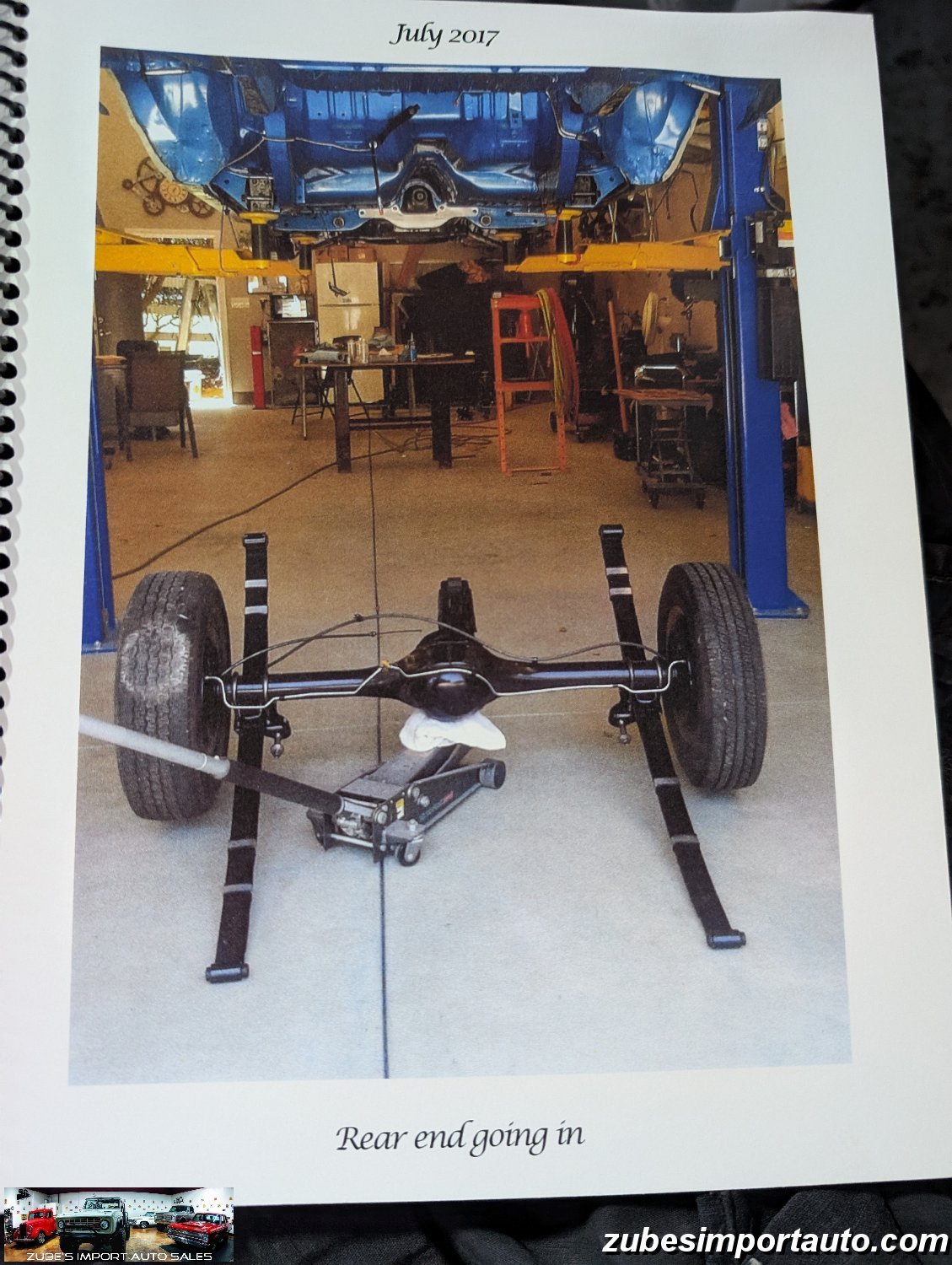
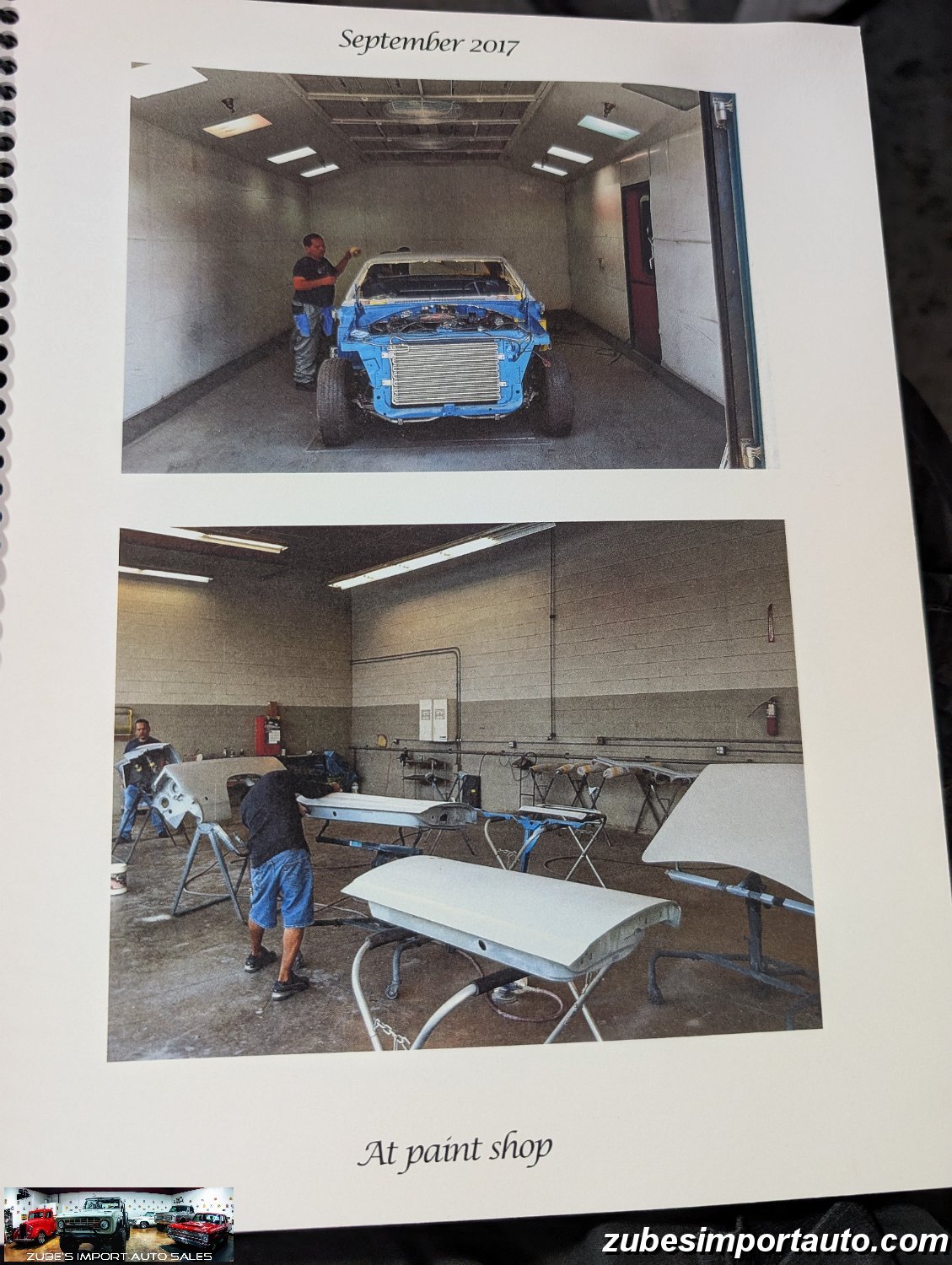
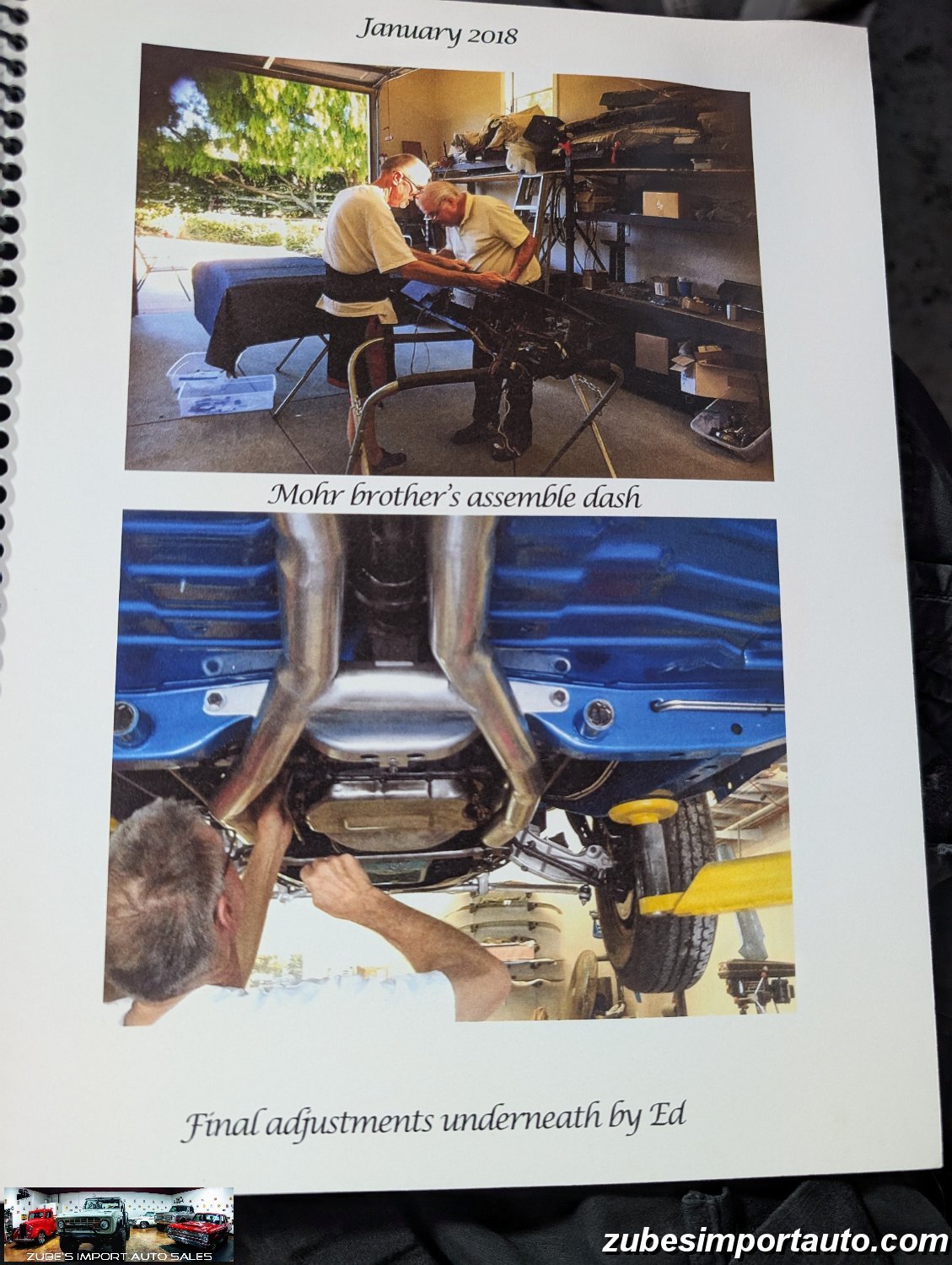
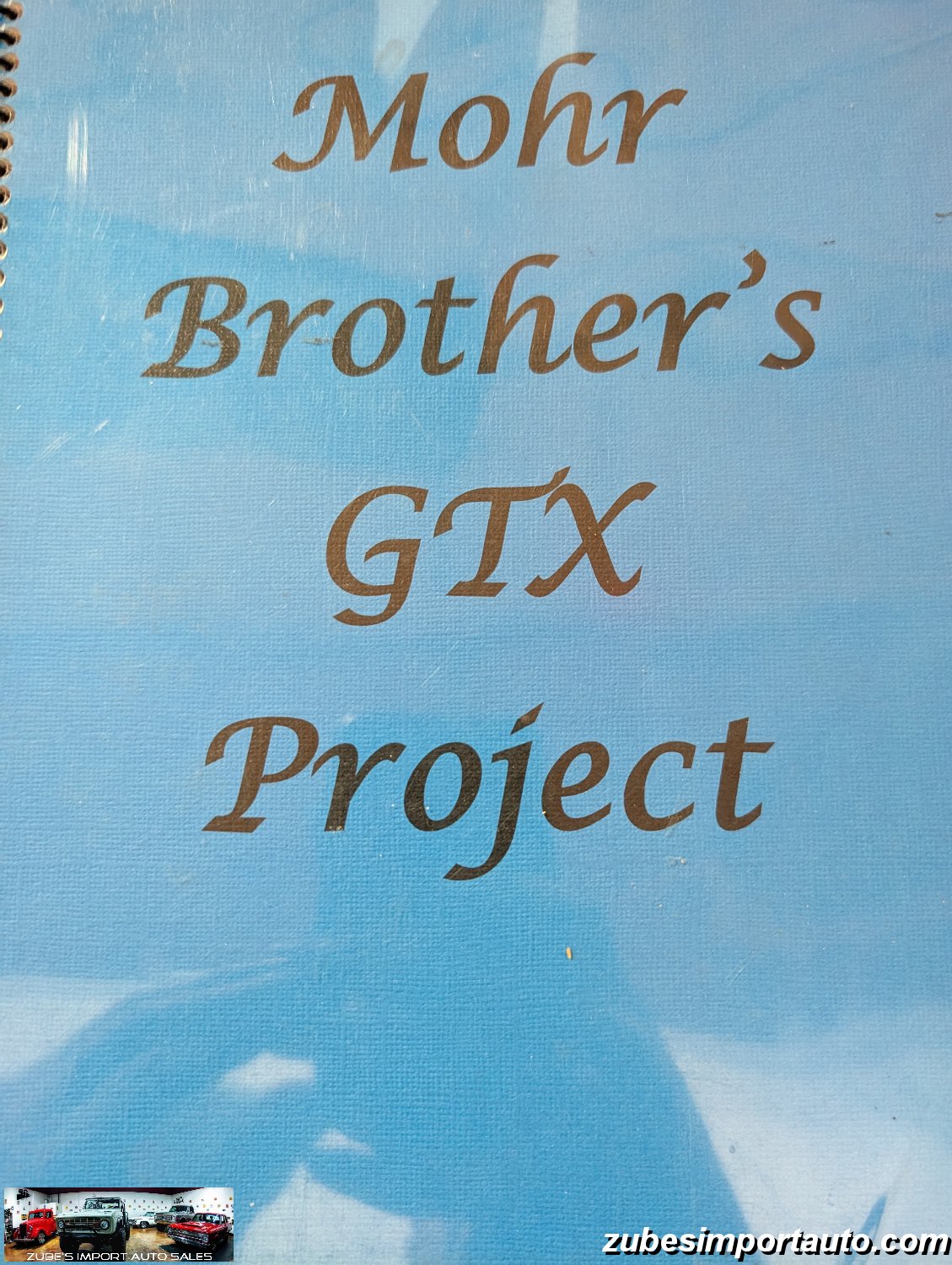
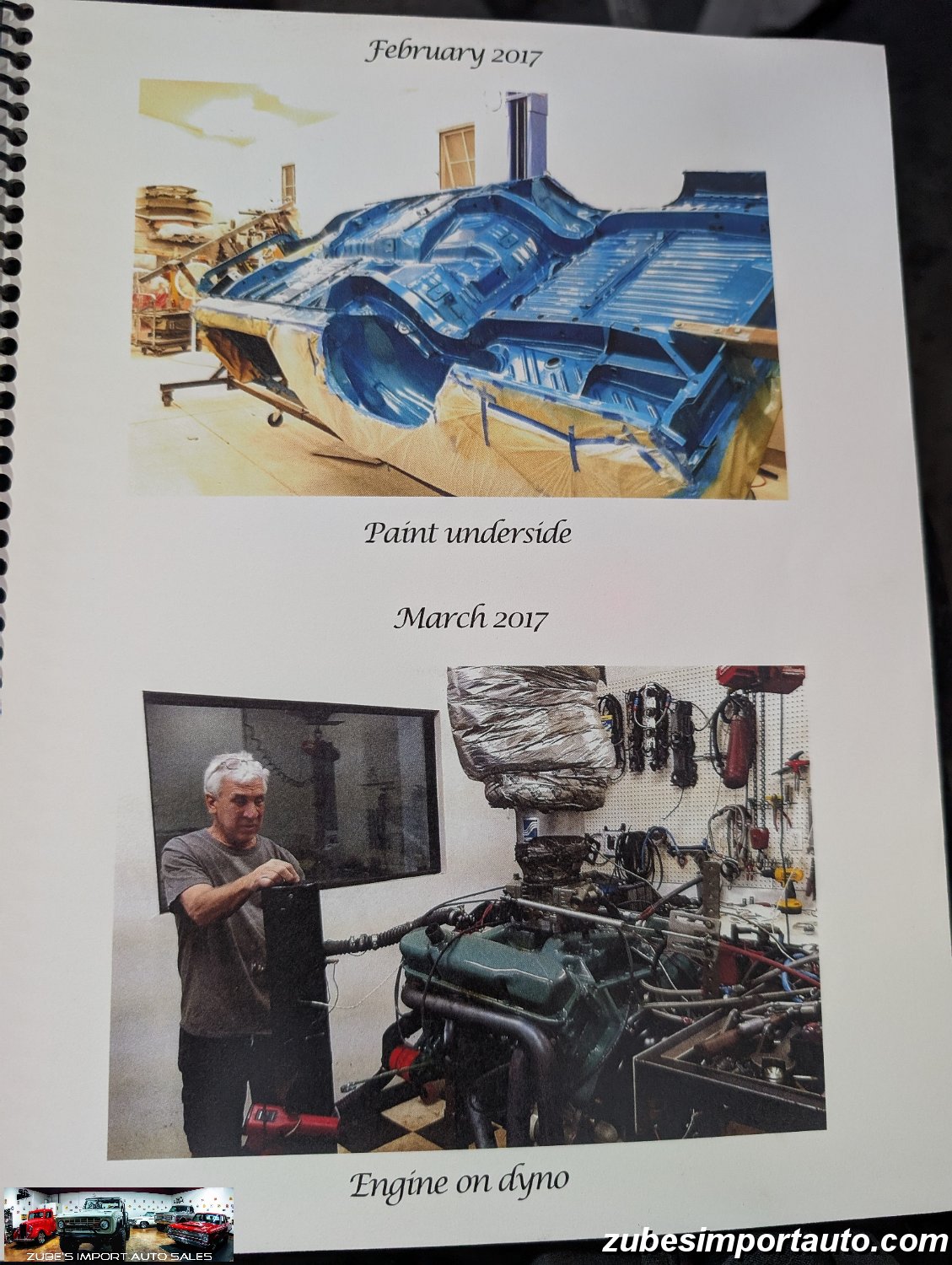
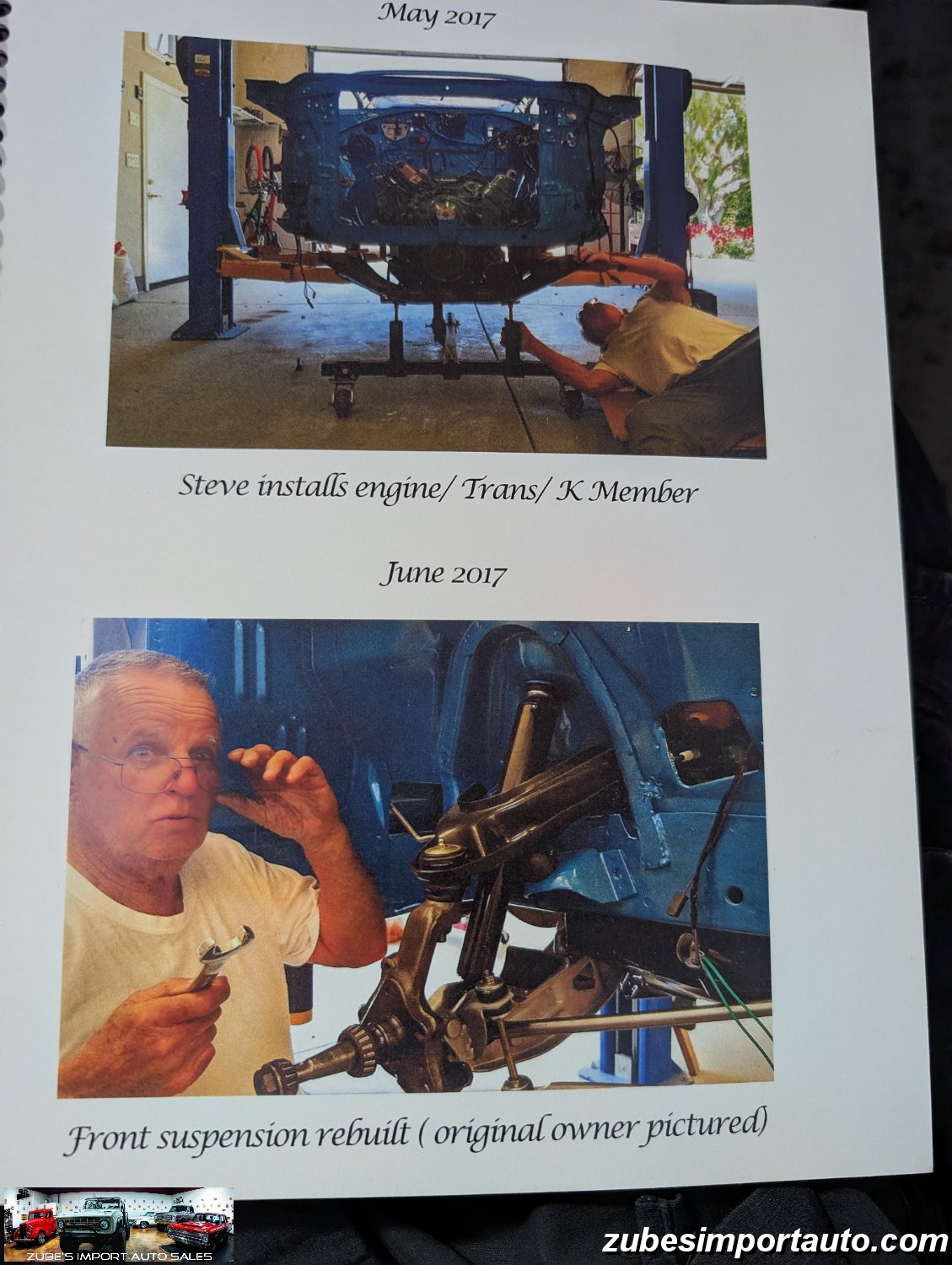
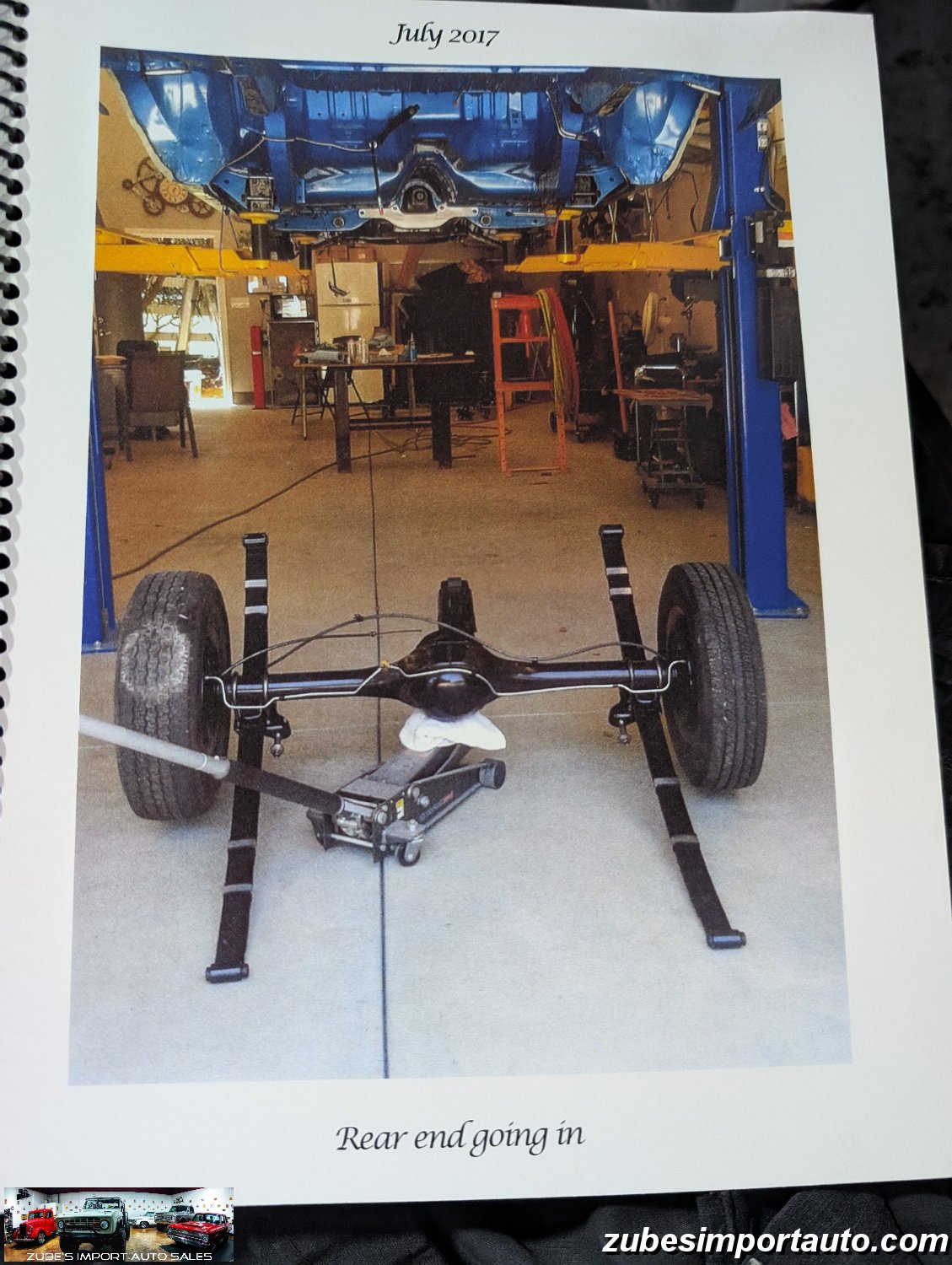
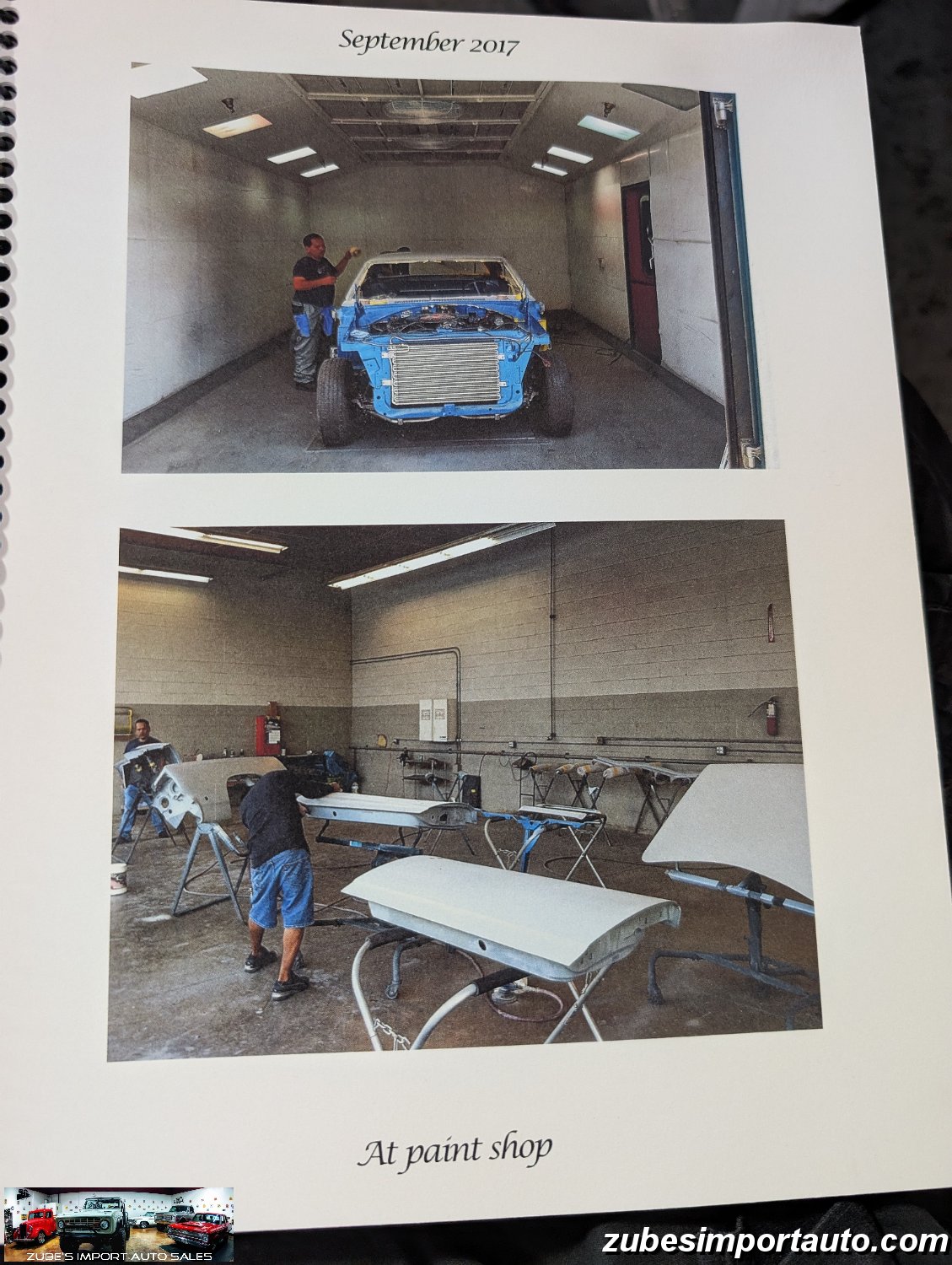
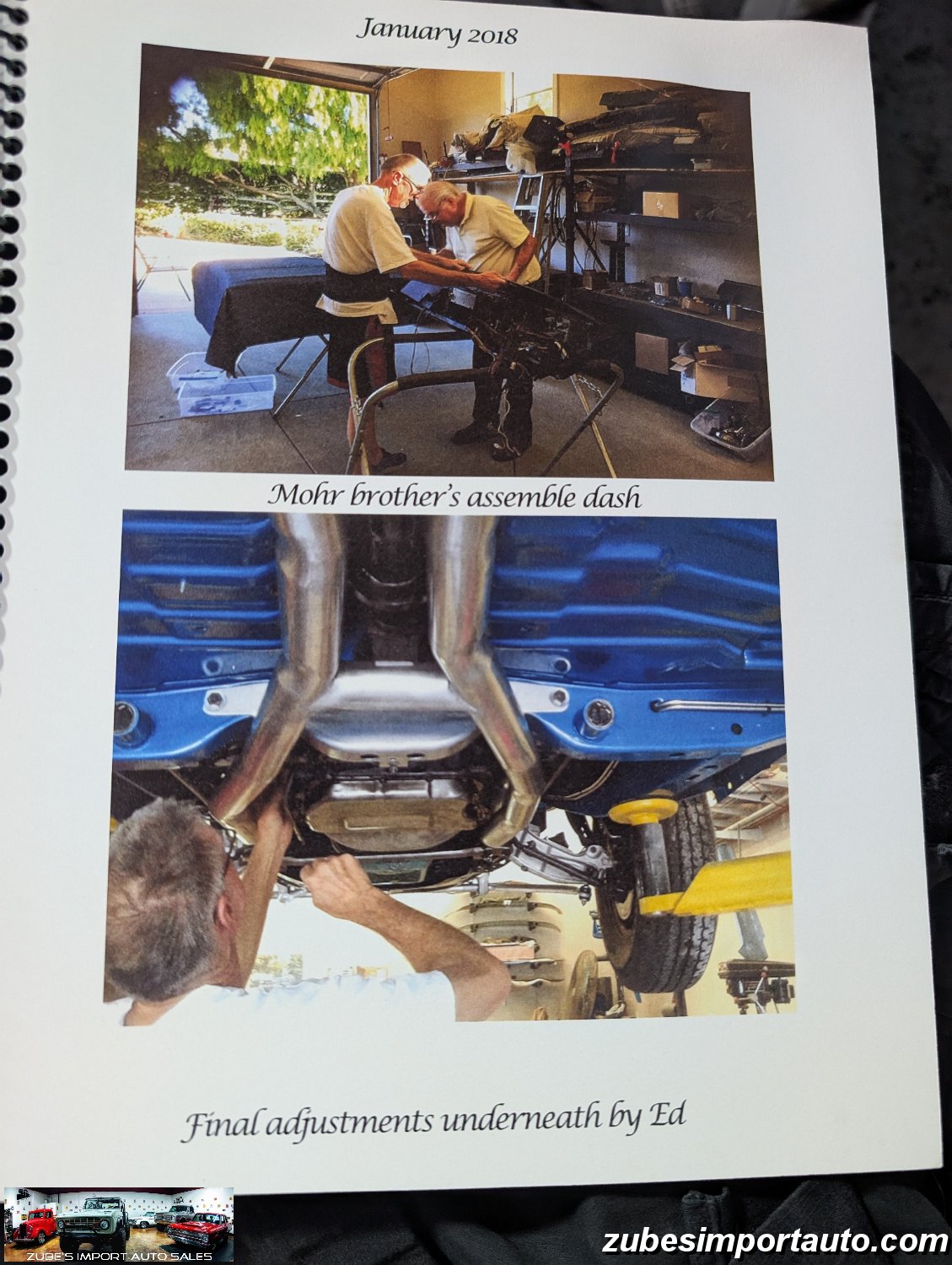
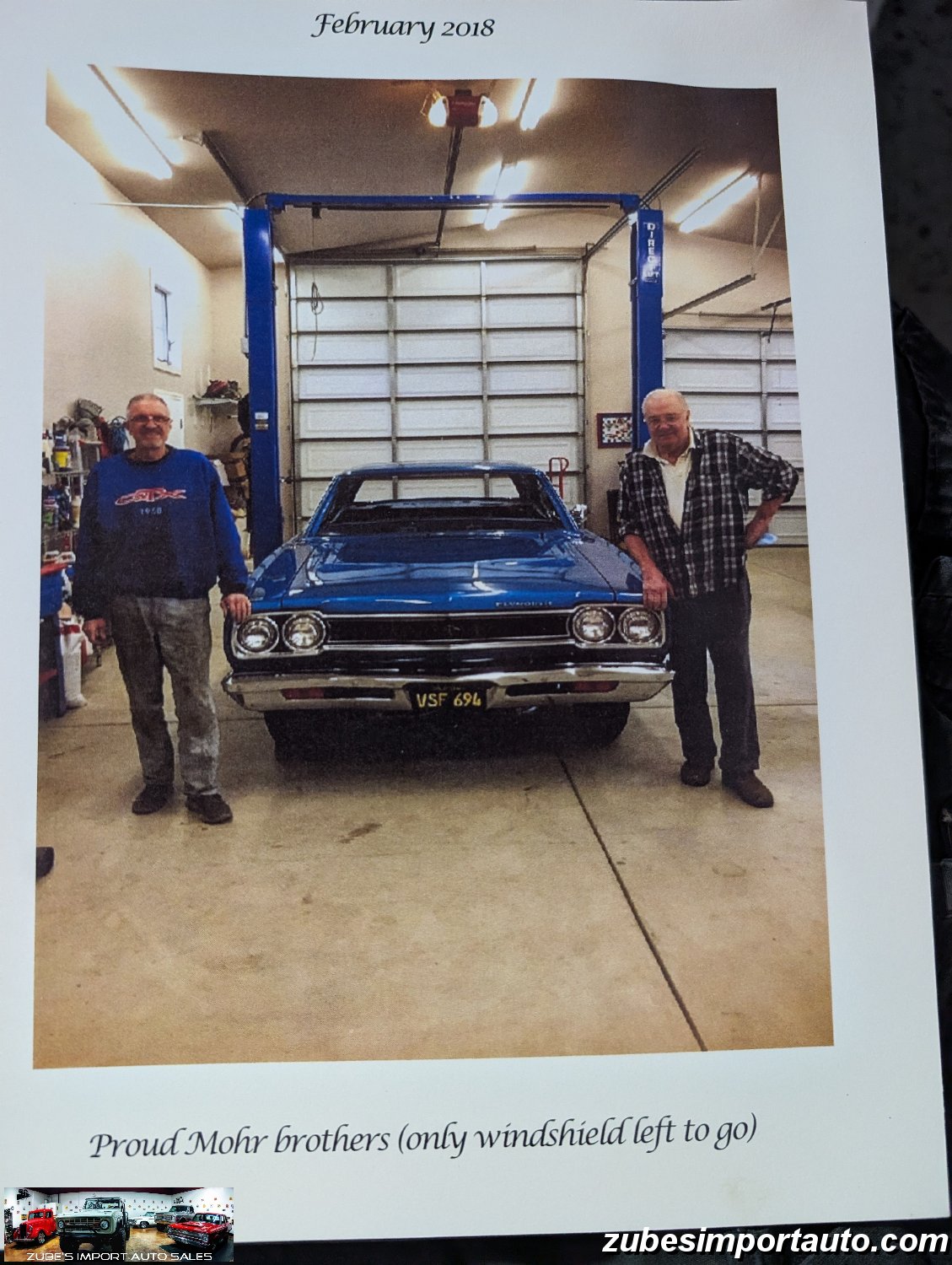
Finished in stunning Frost Blue Metallic with white interior. Powered by its original numbers-matching Magnum 440-cid V8 cranking out 375 horsepower/480 lb-ft of torque paired with its original 727 Torqueflite 3-speed automatic transmission. We could spend hours talking about this beauty, but we’ll let the video below and the photos included in the gallery do the talking. This Plymouth GTX comes with a clean California title, original window sticker/original sales invoice, binder of restoration photos by Ed Mohr and his brother, original Mopar Muscle magazine, poster boards of the restoration featured in the magazine, and misc receipts, service entries by the original owner, including every copy of his DMV registration stickers. The features and options tab has the Mohr Brothers’ GTX Project photos showing the 4-year long restoration, in order so make sure to check that out. You will not be disappointed with this ’68 GTX. Classic Car Financing & Worldwide Transport available.
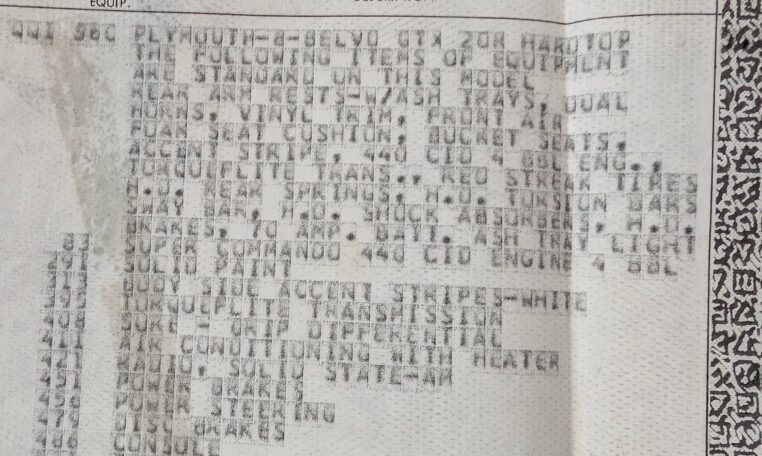
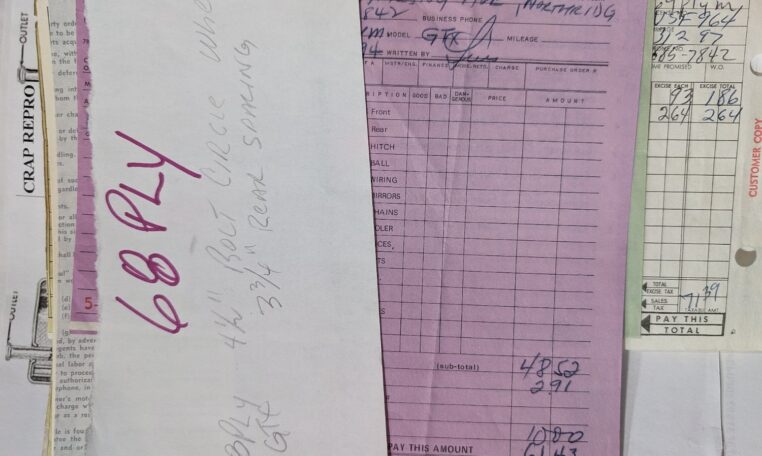
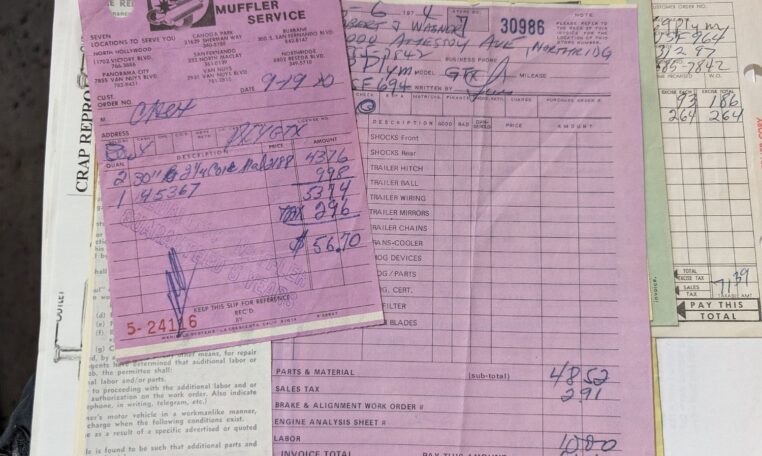
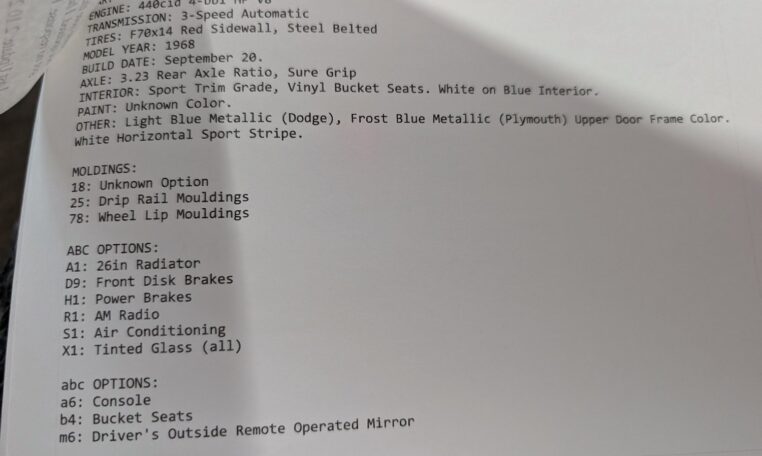
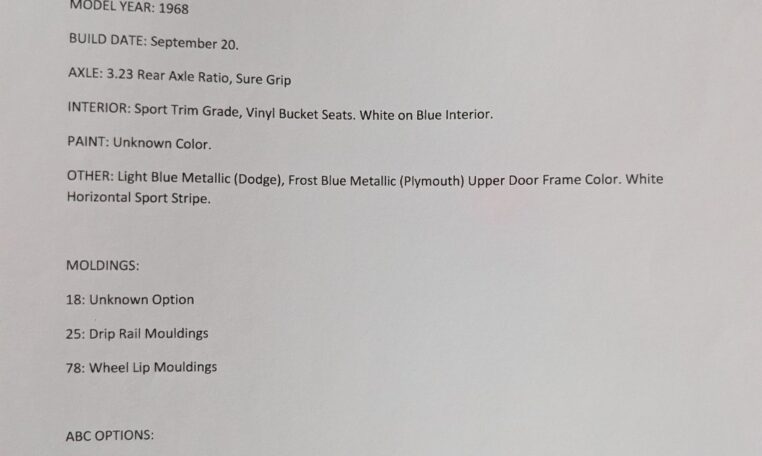
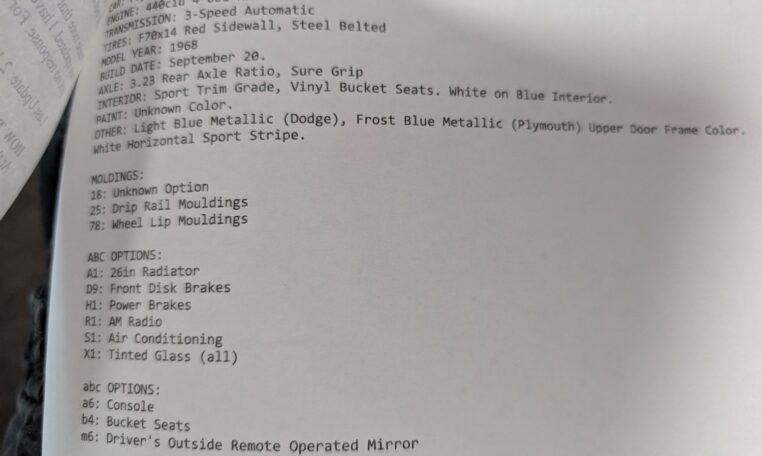
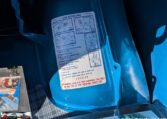
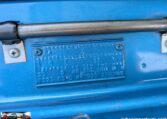
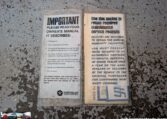
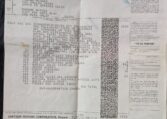
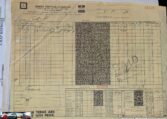
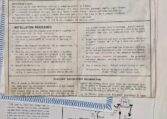
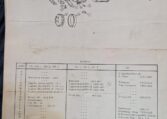
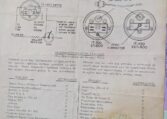
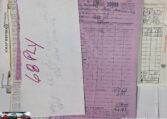
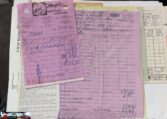
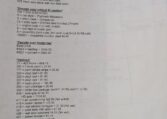
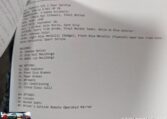
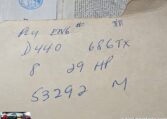
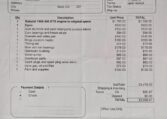
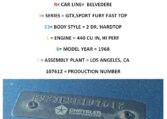
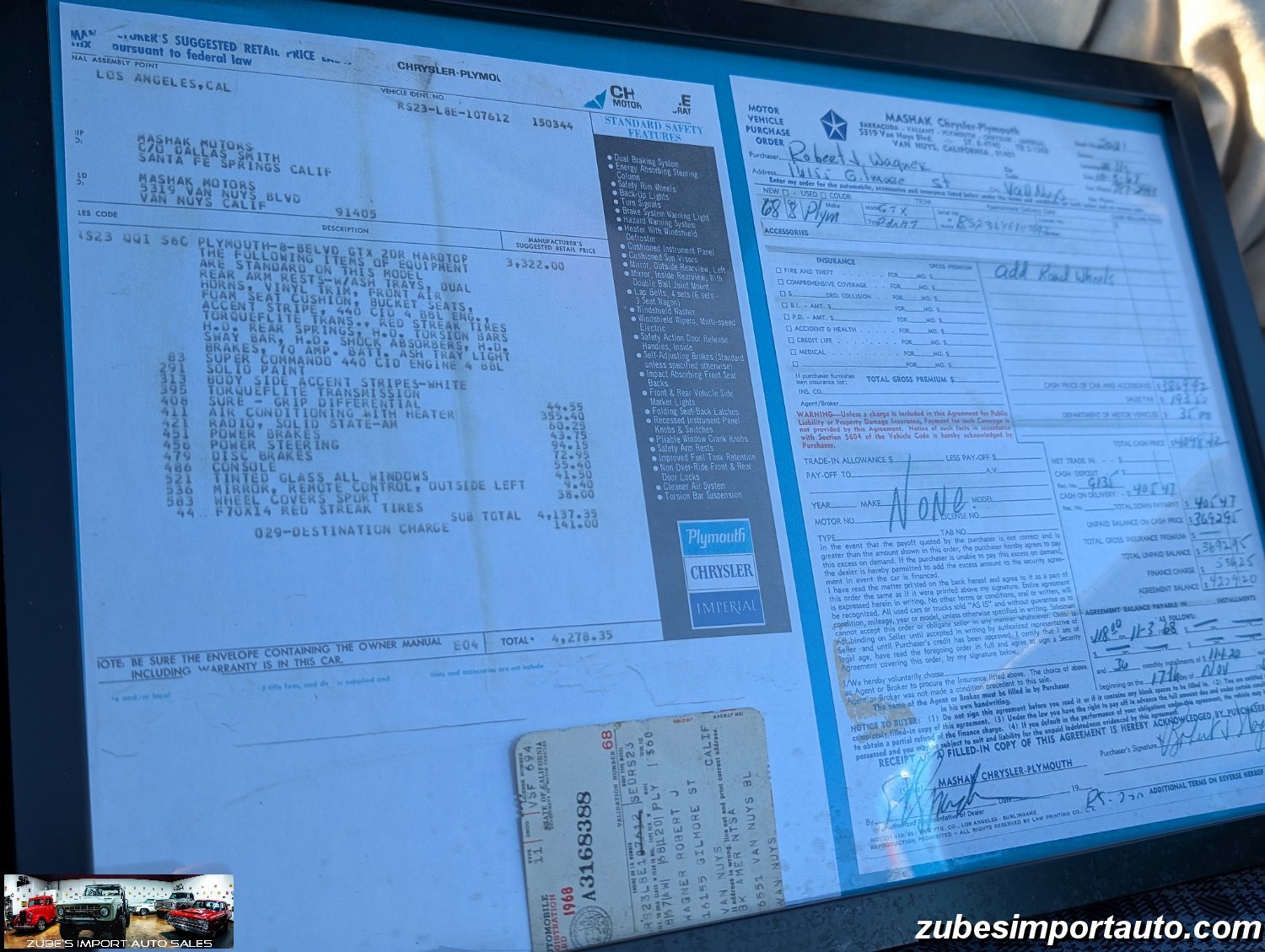
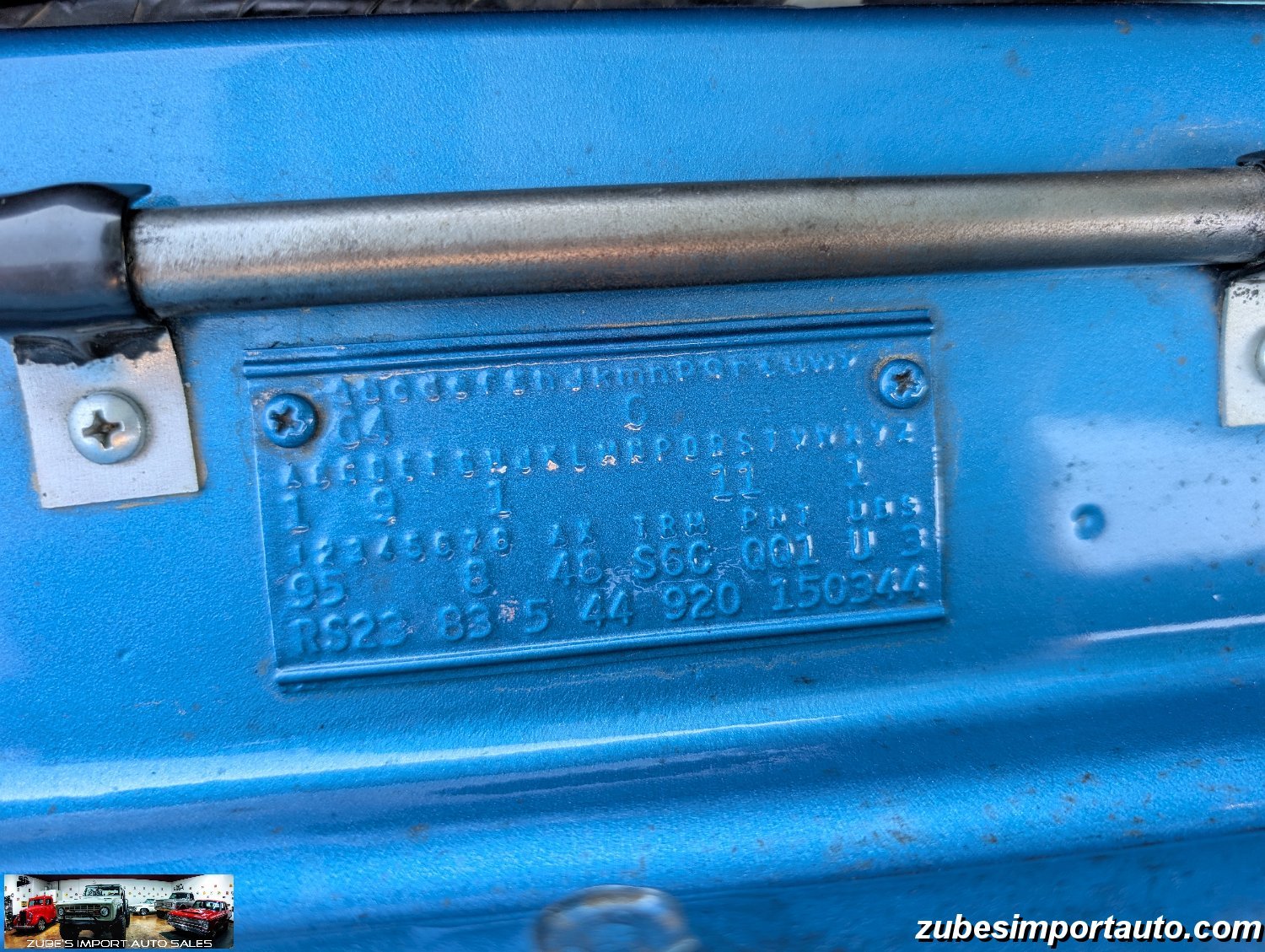
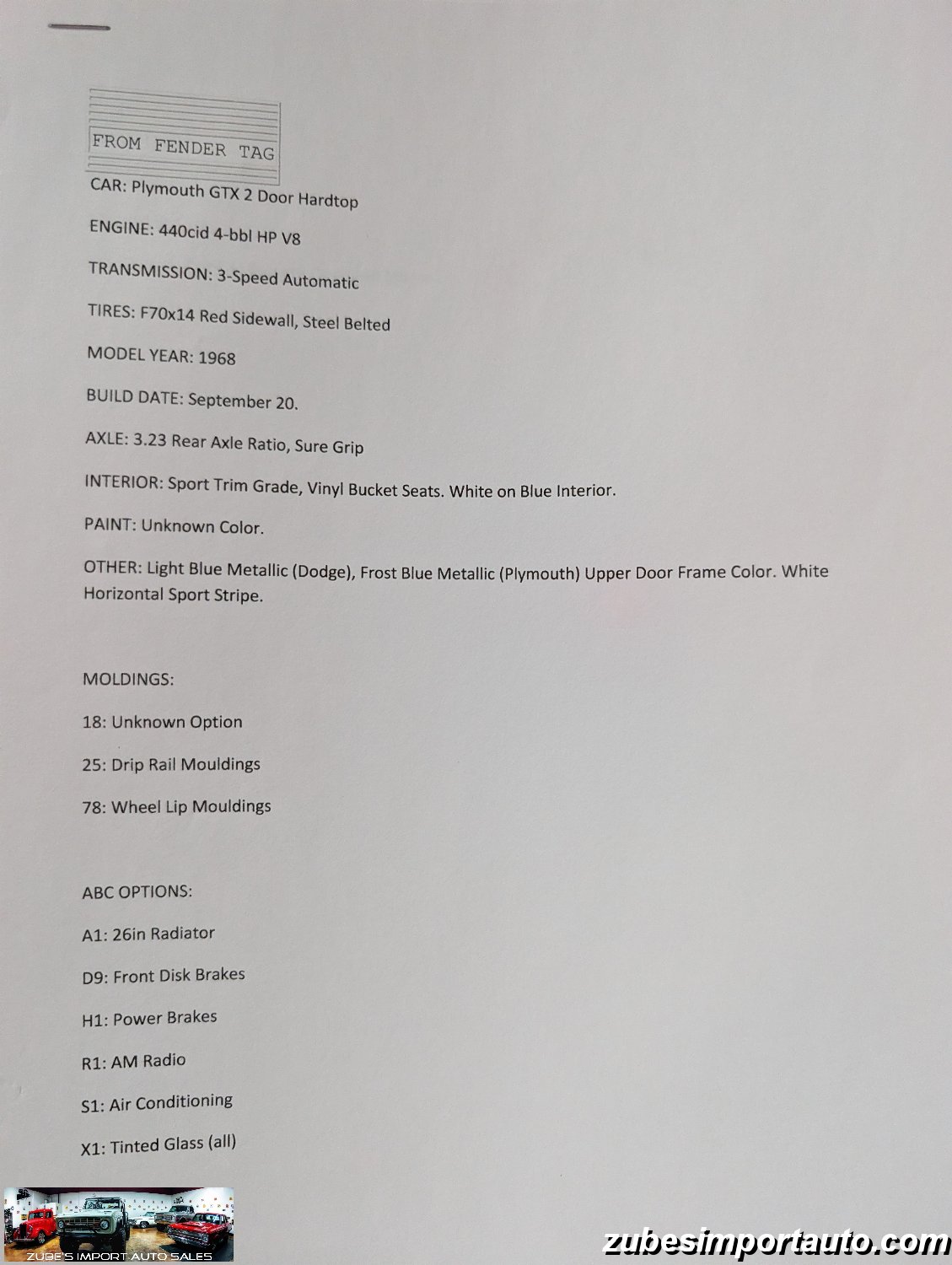
ORIGINAL WINDOW STICKER/SALES INVOICE/BUILD SHEET!
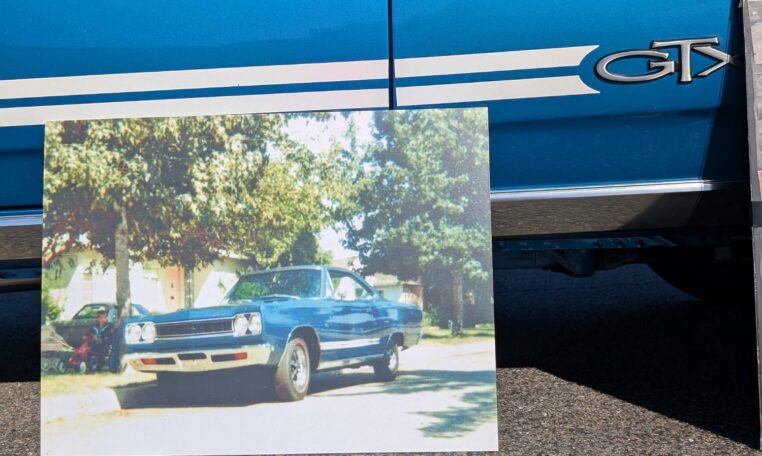
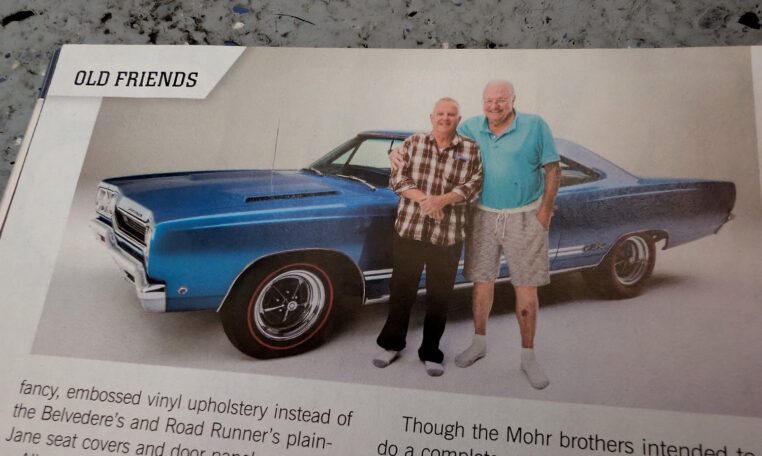
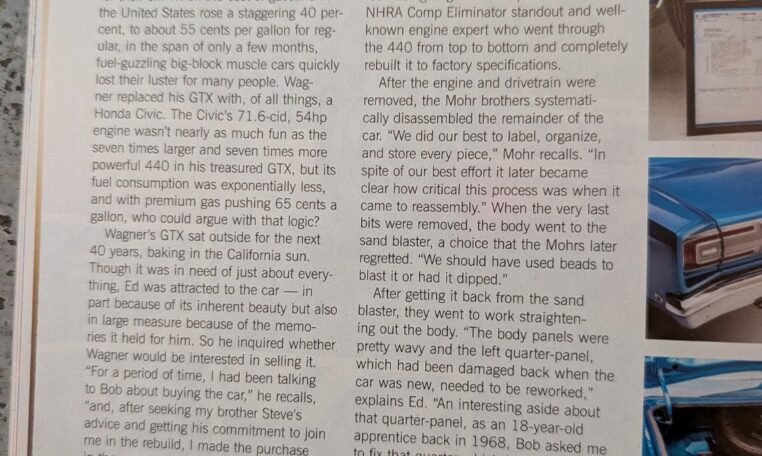
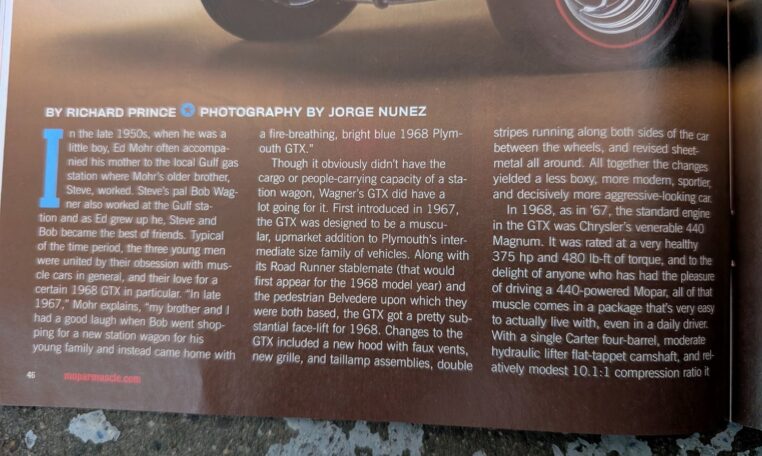
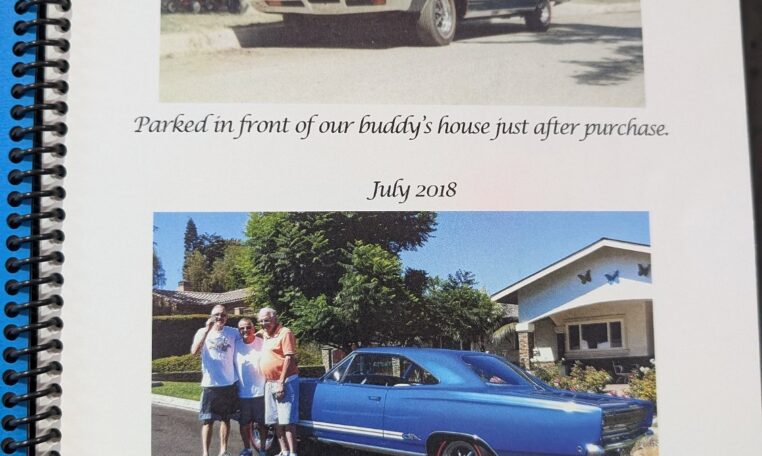
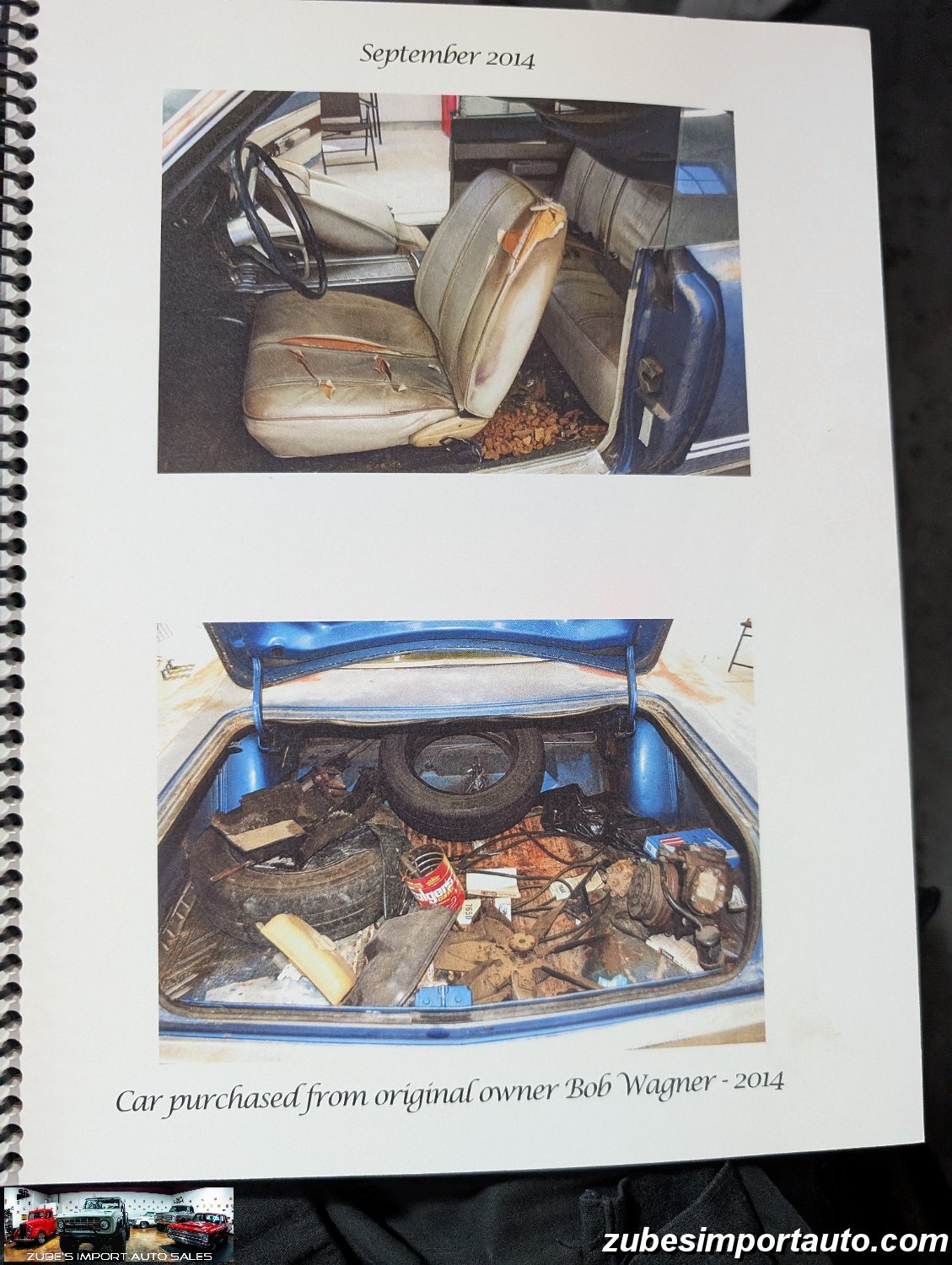
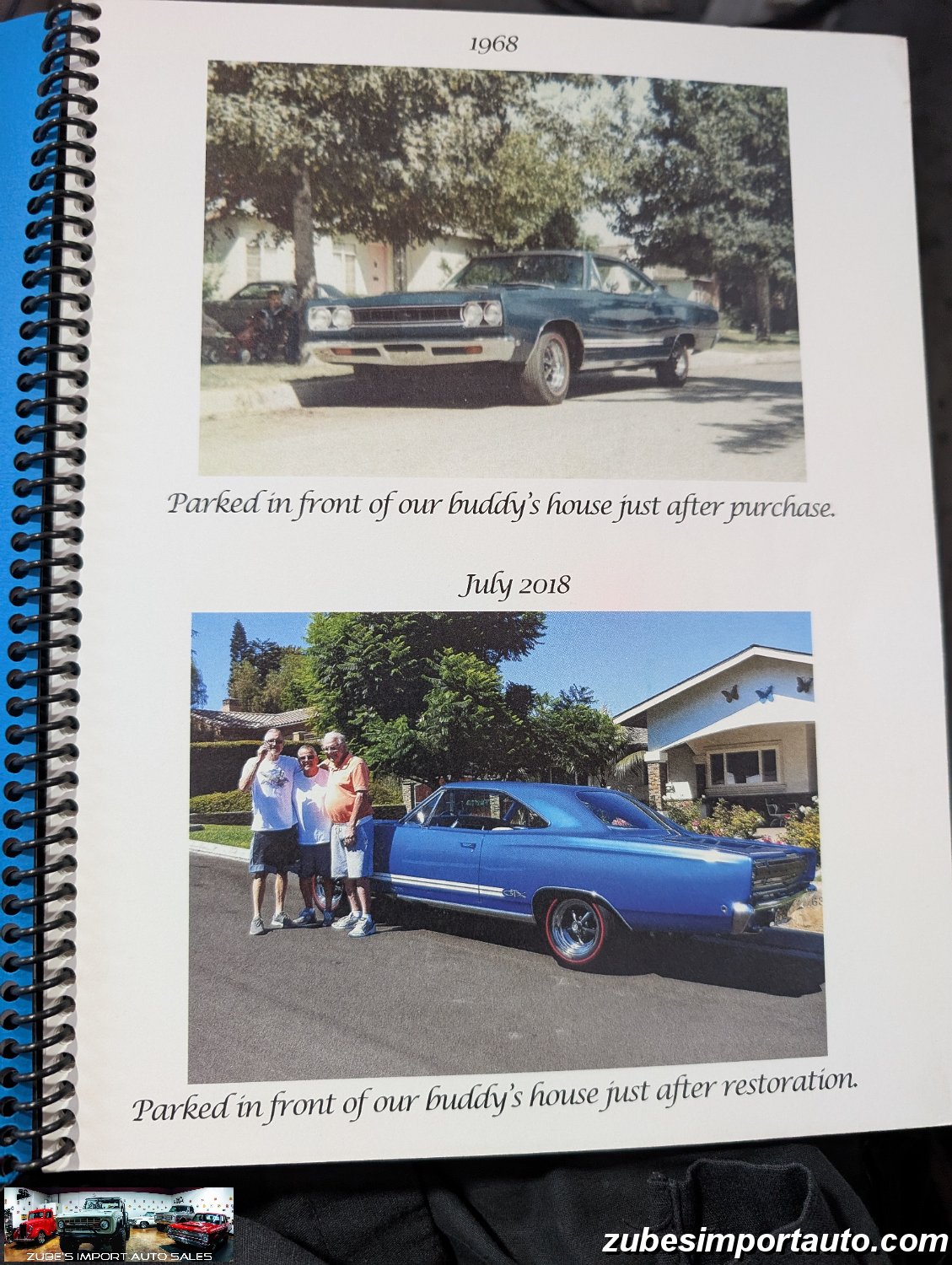
The story of this GTX is one of lifelong friendships and passion for classic cars, as detailed in its magazine feature. In the late 1950s, young Ed Mohr would accompany his mother to the local Gulf gas station in Camarillo, California, where his older brother Steve worked alongside their pal Bob Wagner. As Ed grew up, the three became inseparable, bonded by their love for muscle cars—especially the 1968 GTX. Bob Wagner purchased this very car on October 7, 1967, from Van Nuys Plymouth dealer Mashak Motors, drawn to its fire-breathing performance and upscale styling. He enjoyed it thoroughly for about six years until the 1973 oil crisis parked it reluctantly, with nations cutting production and raising OPEC prices, making fuel-guzzling big-blocks like this one less practical.
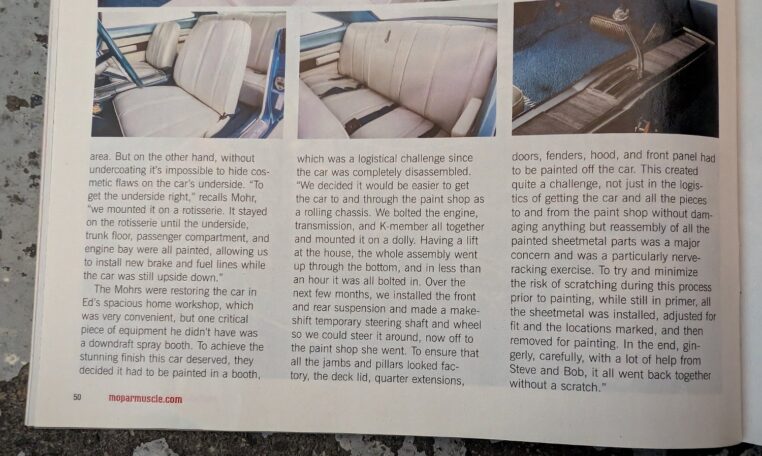
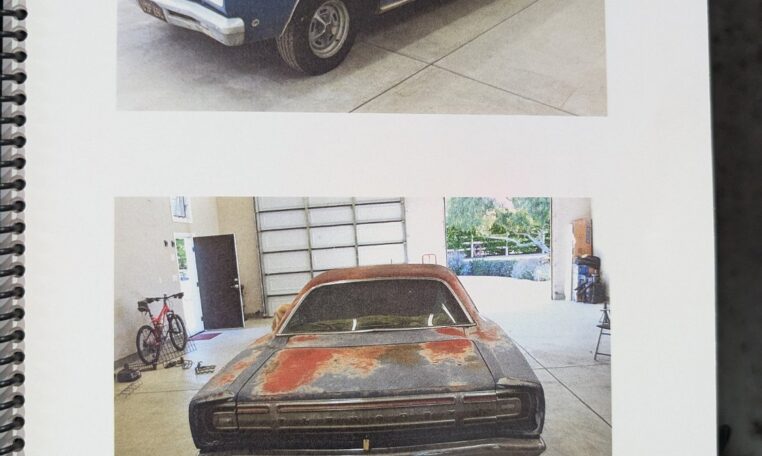
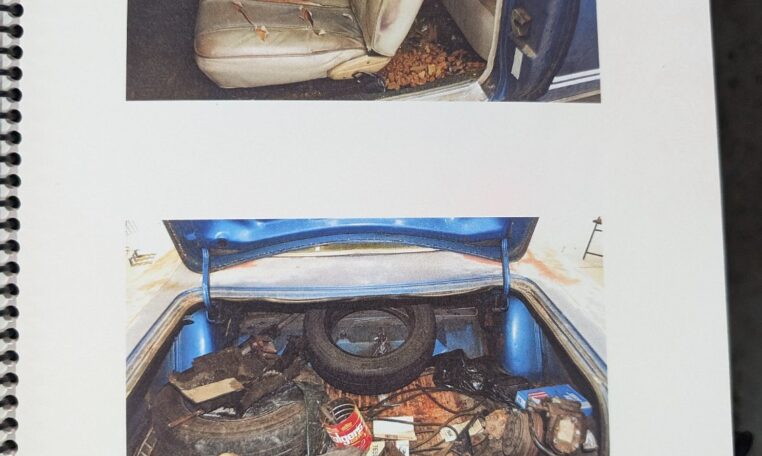
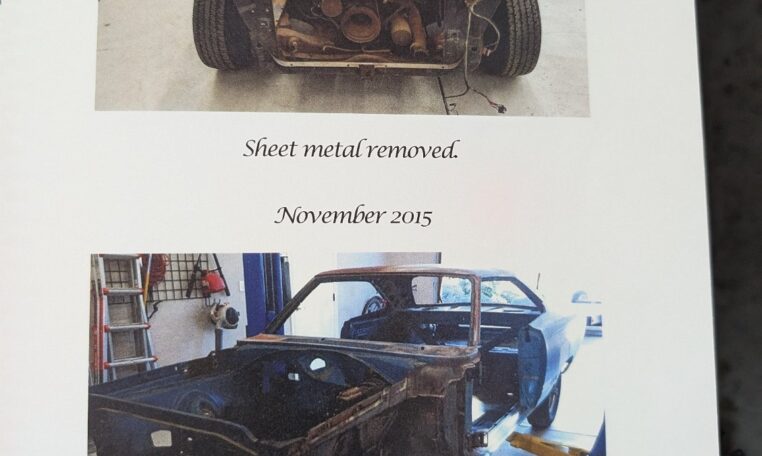
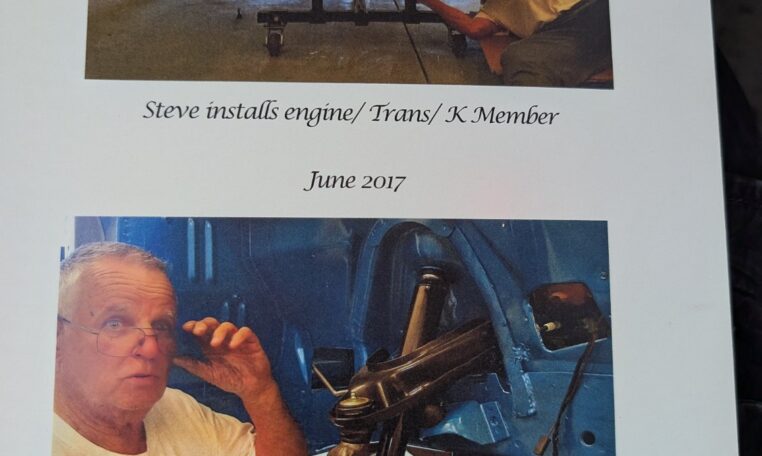
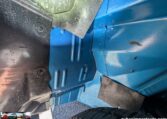
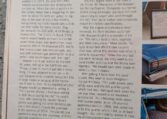
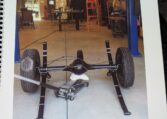
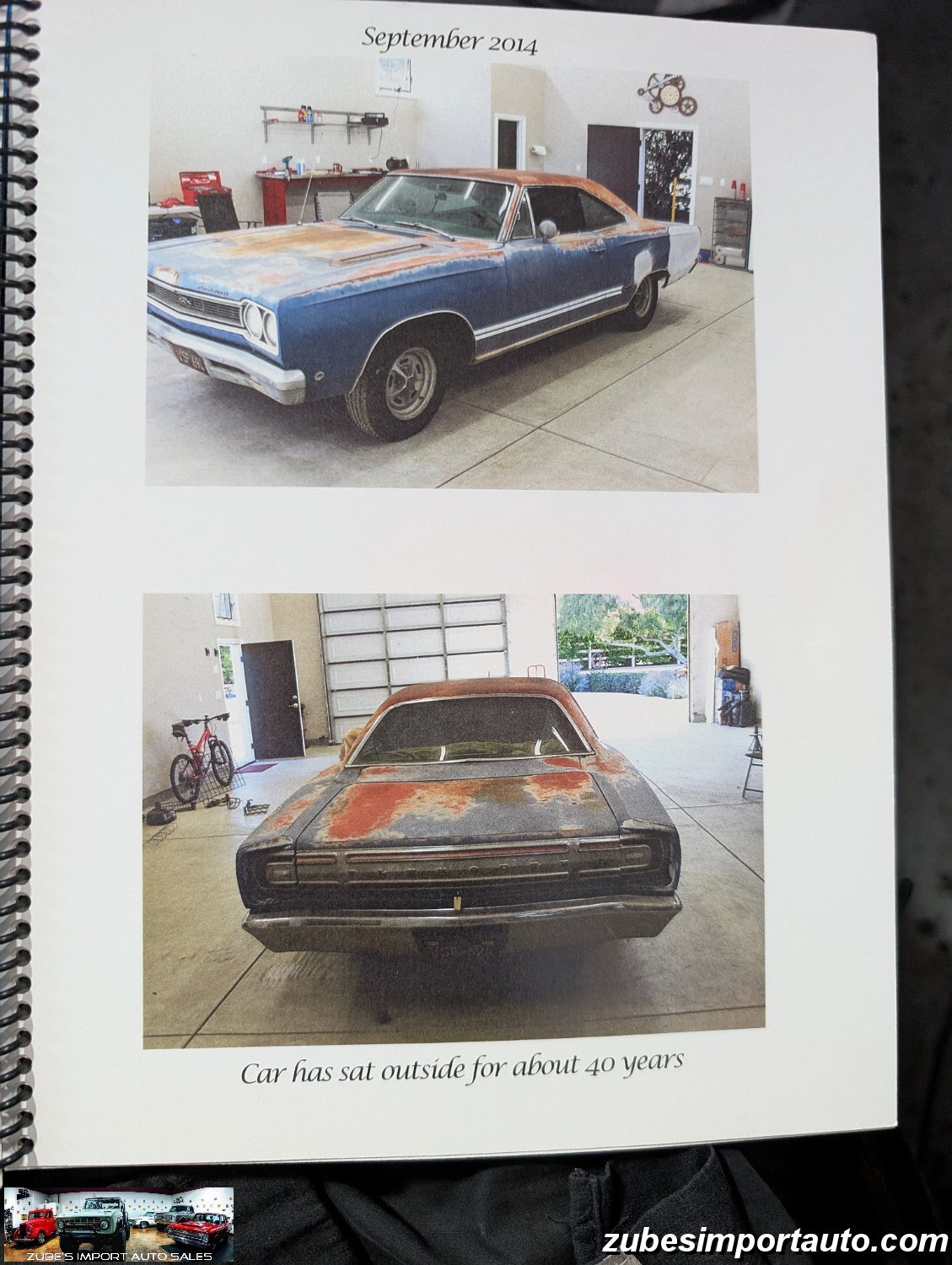
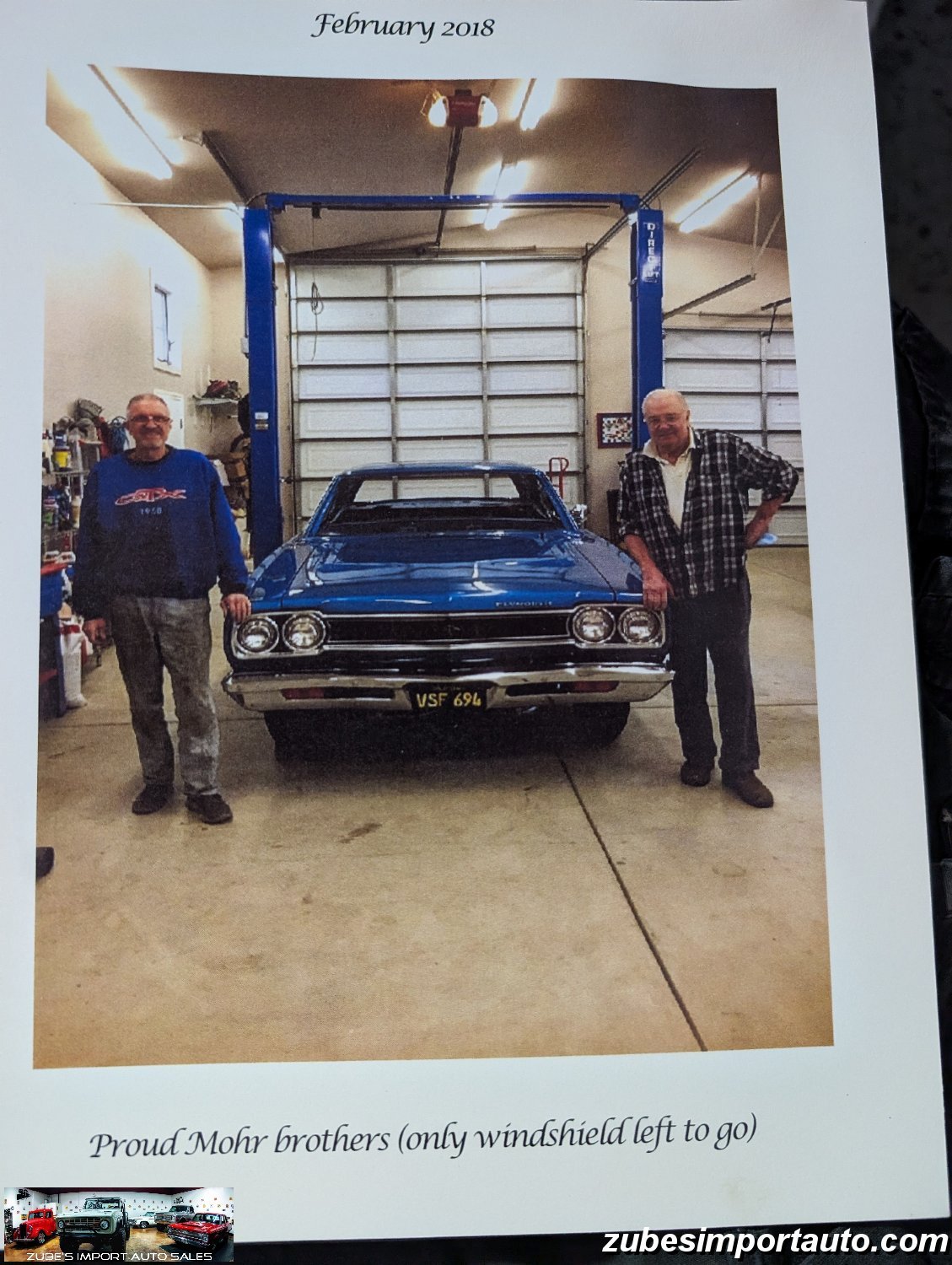
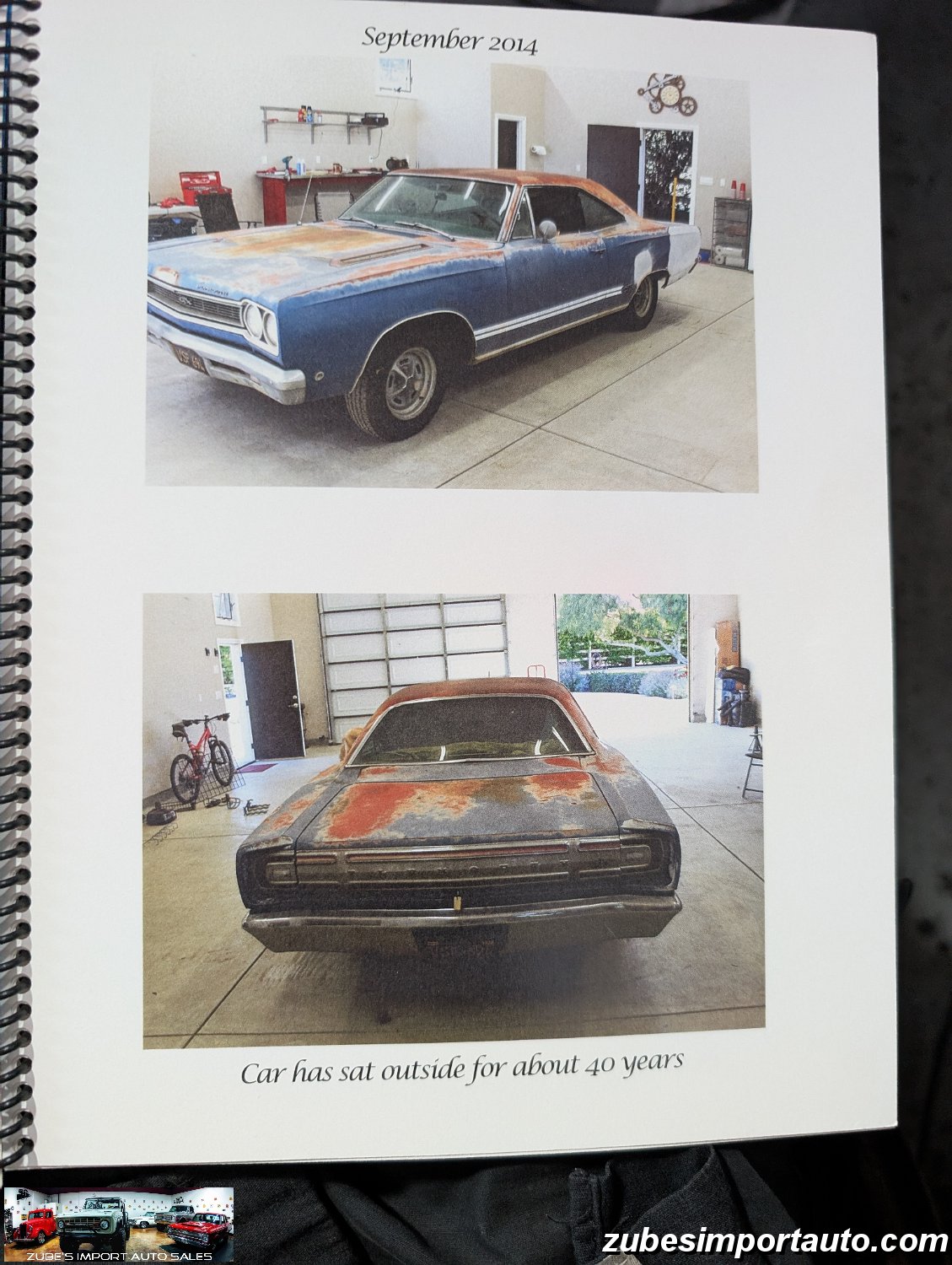
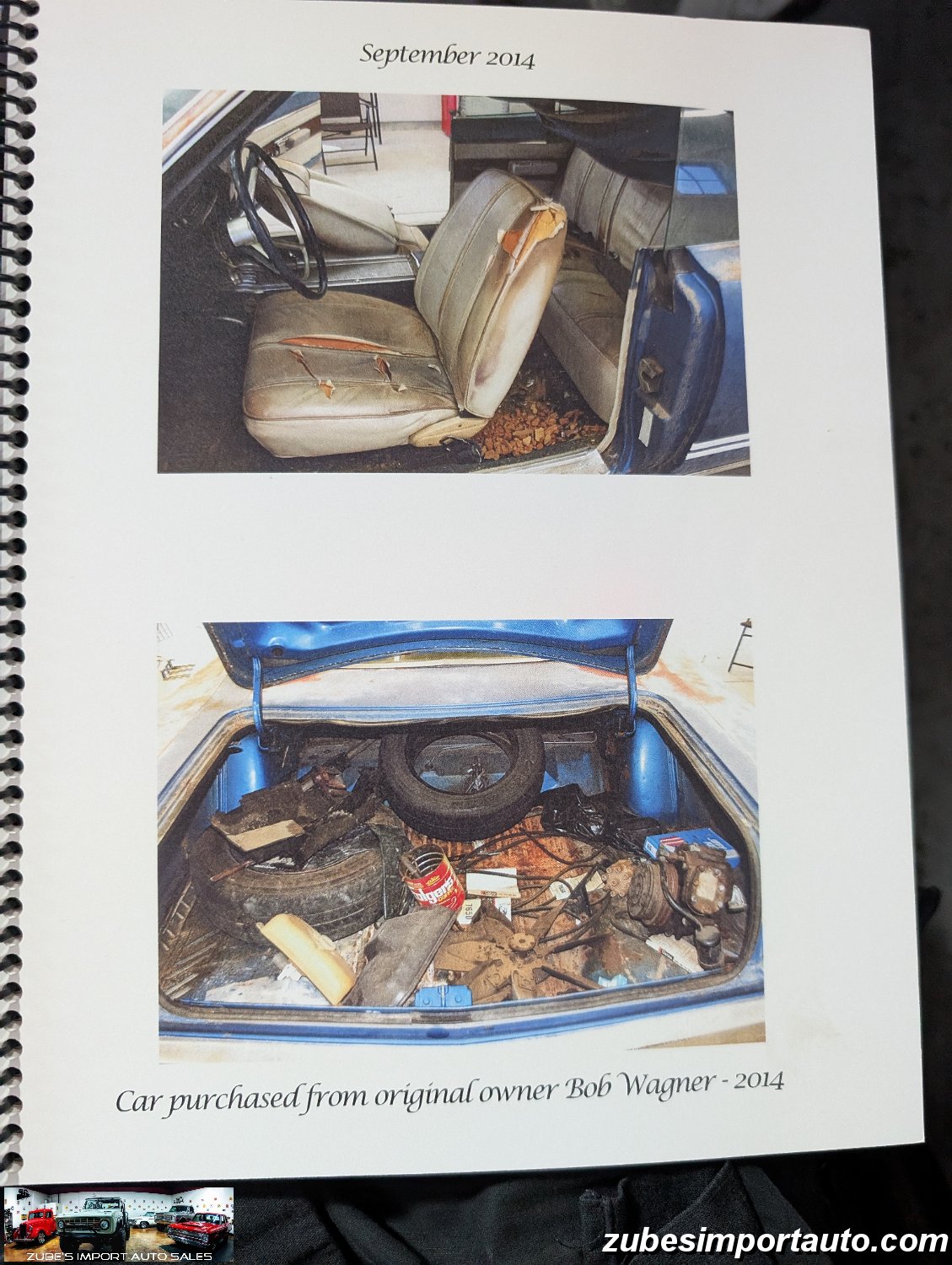
The GTX sat outside for 40 years, baking in the California sun, its inherent beauty undiminished but in need of revival.In 2014, aligning like the planets, Bob sold the car to his childhood friend Steve Mohr. Steve, now retired from a lifelong career in mechanical repair and collision work, teamed up with his brother Ed—also retired from auto repair—to embark on a planned restoration. Though the Mohr brothers intended a complete nut-and-bolt rotisserie restoration, they decided to try and get the car running before taking it completely apart, just to make sure there were no serious problems with the engine, which hadn’t even been turned over in some 41 years. With very little effort, it was purring like a proverbial kitten, and immediately thereafter they took the engine and drivetrain out.
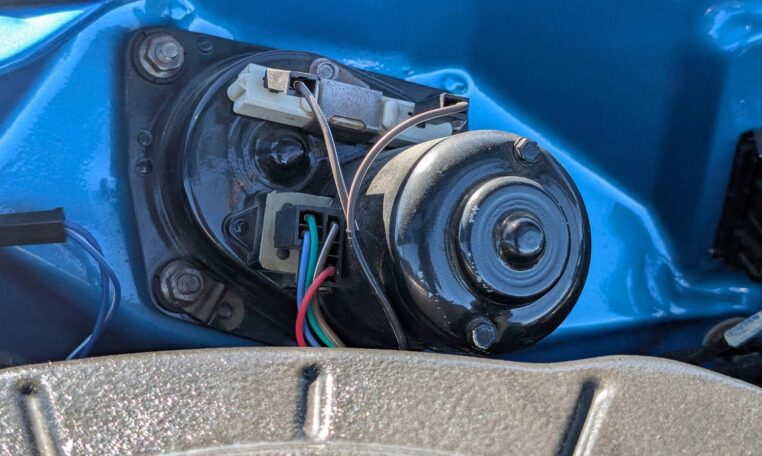
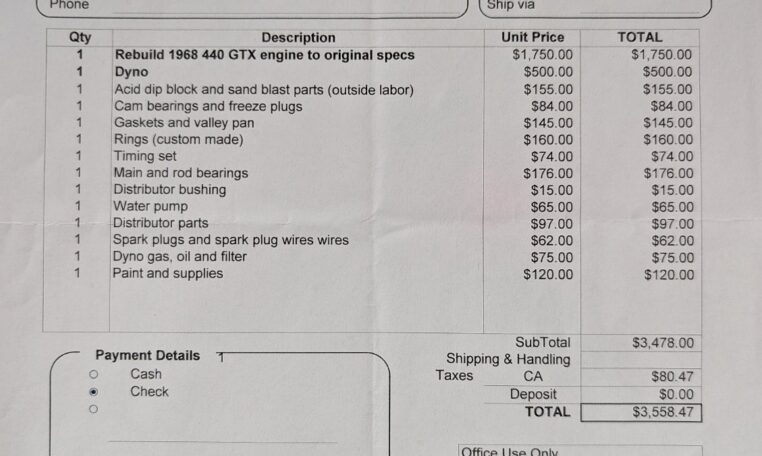
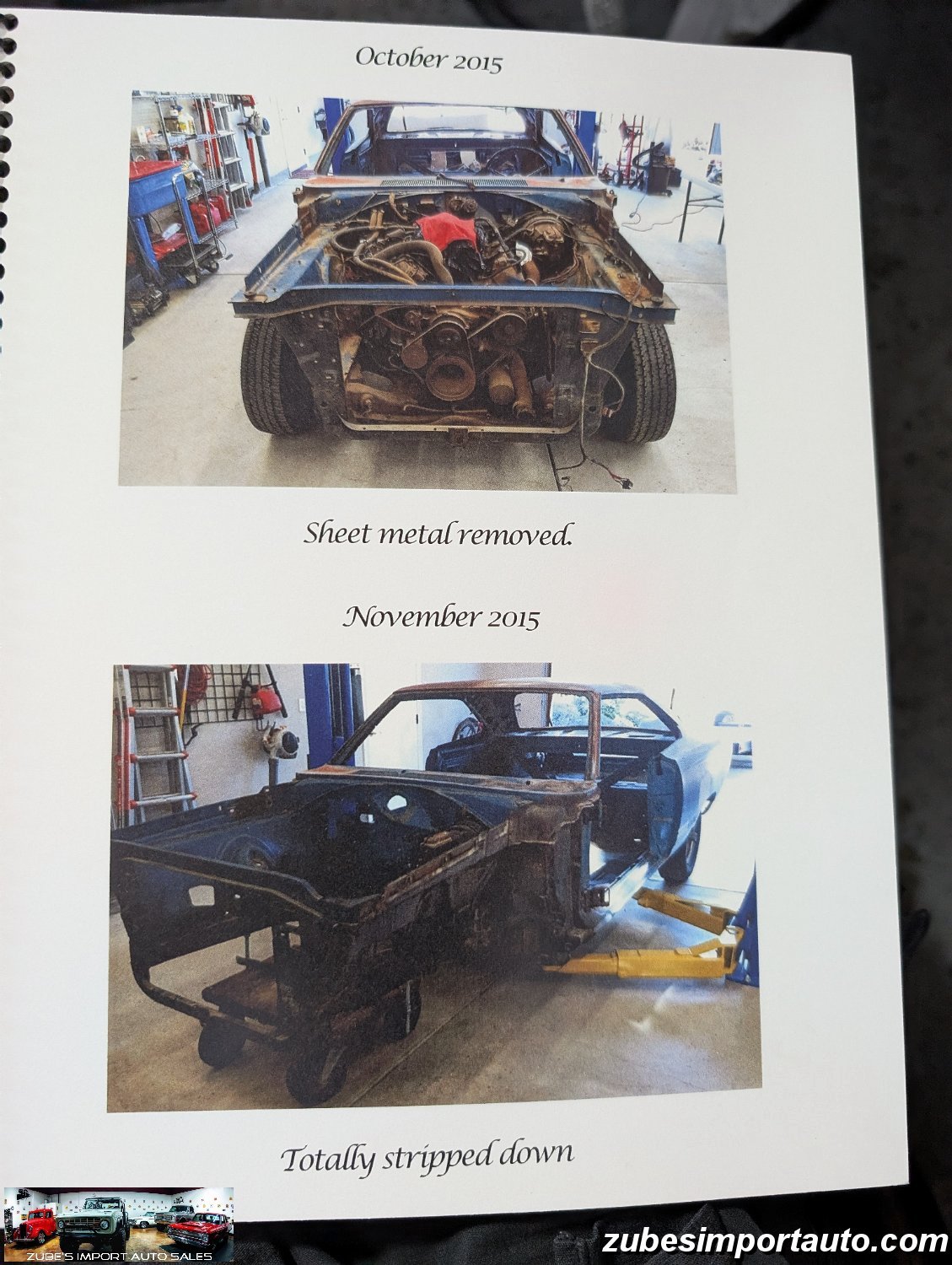
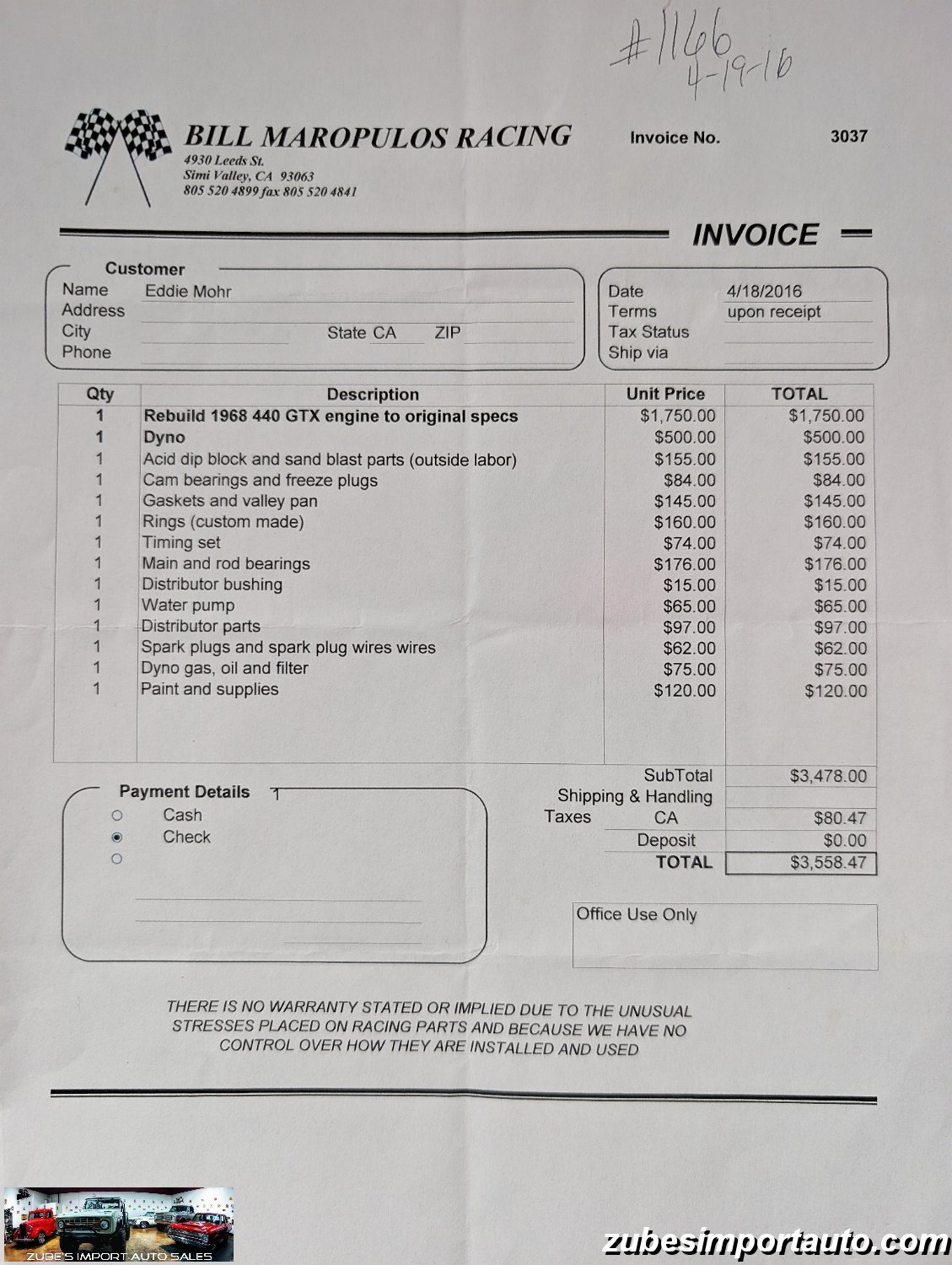
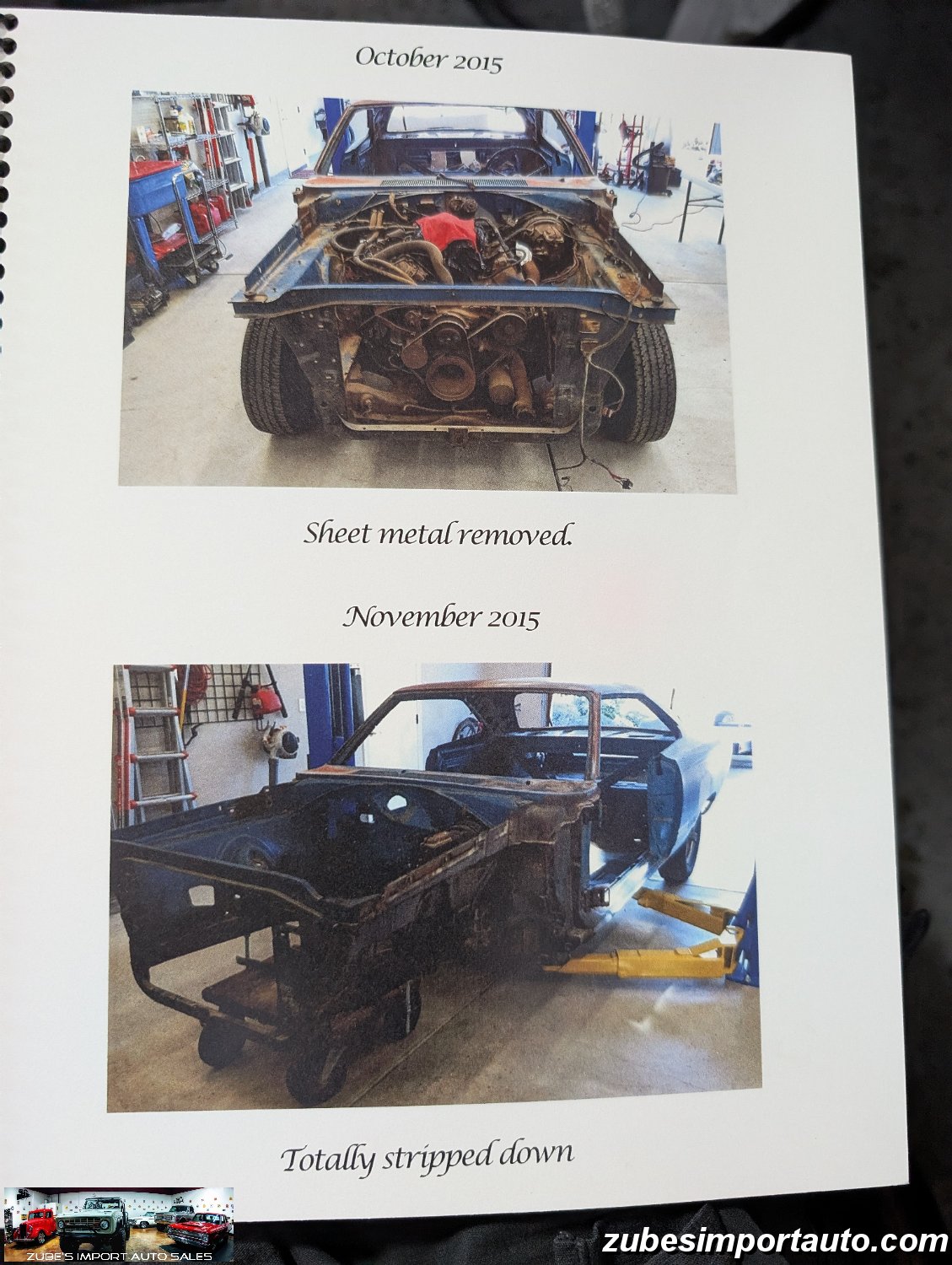
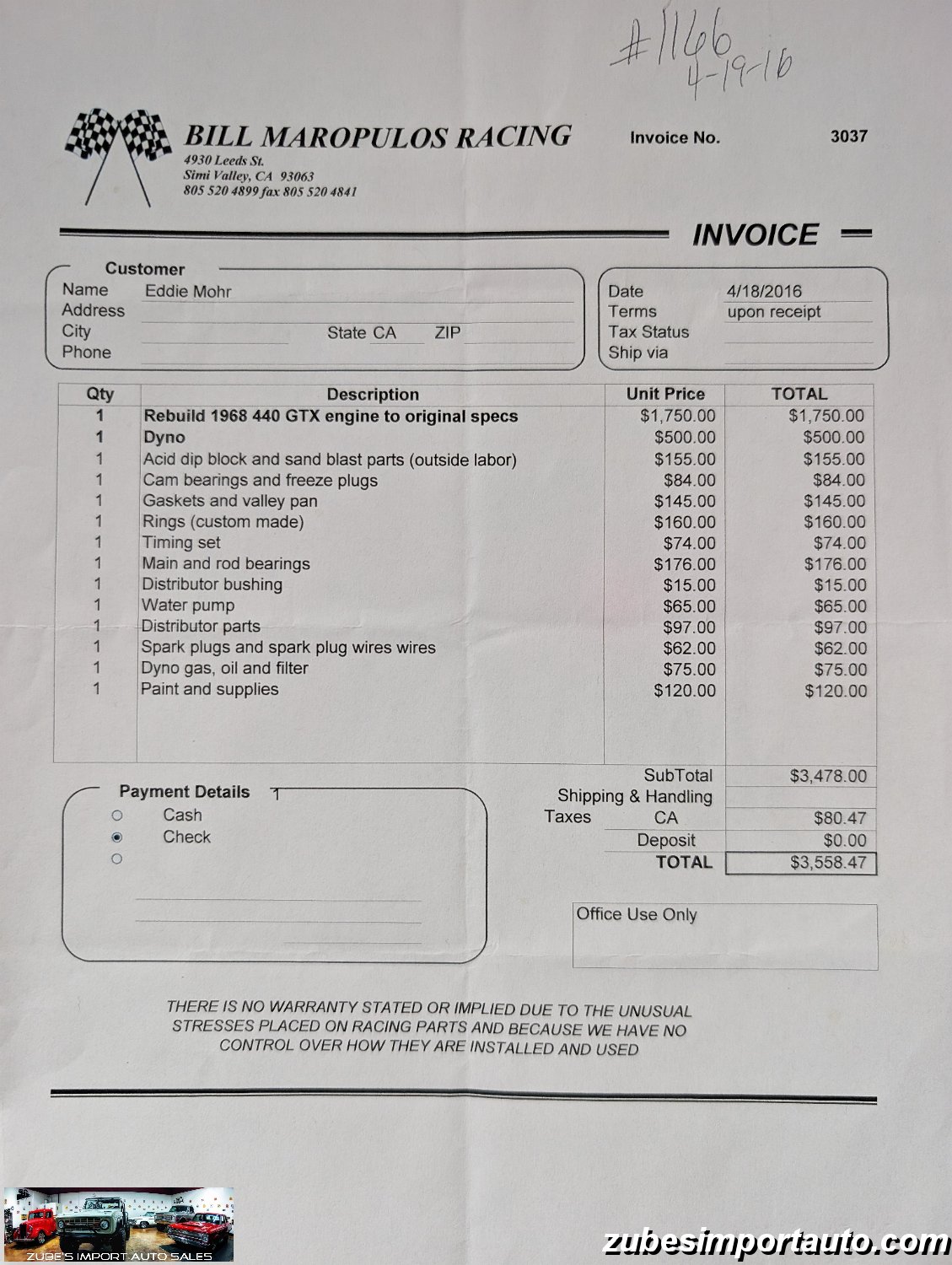
The 440 engine went to Bill Maropulos of Bill Maropulos Racing Engines, a former NHRA Comp Eliminator standout who went through the 440 from top to bottom and completely rebuilt it to factory specifications.After the engine and drivetrain were removed, the Mohr brothers systematically disassembled the remainder of the car.
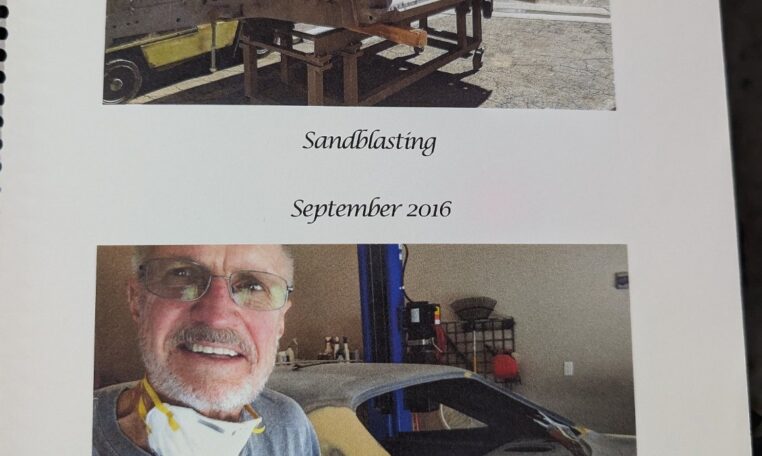
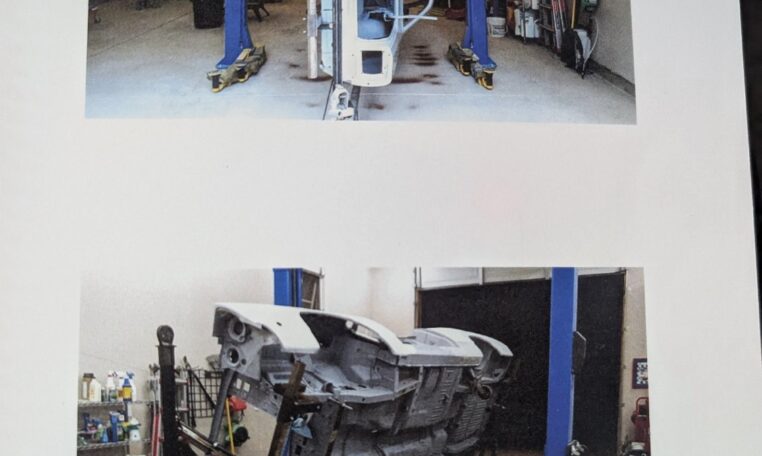
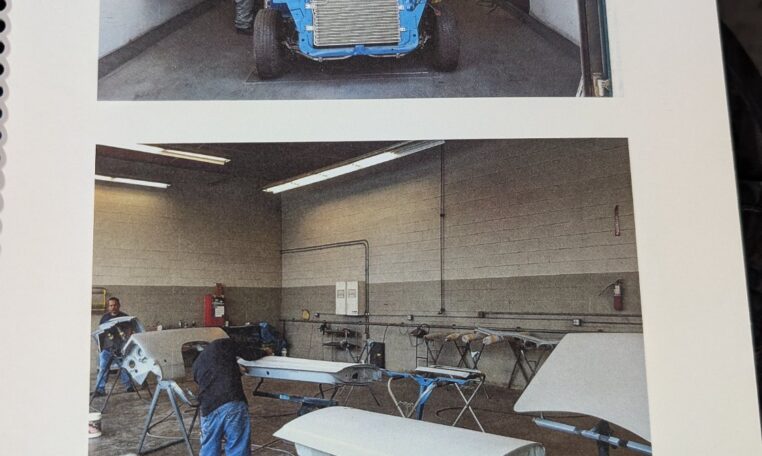
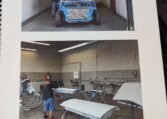
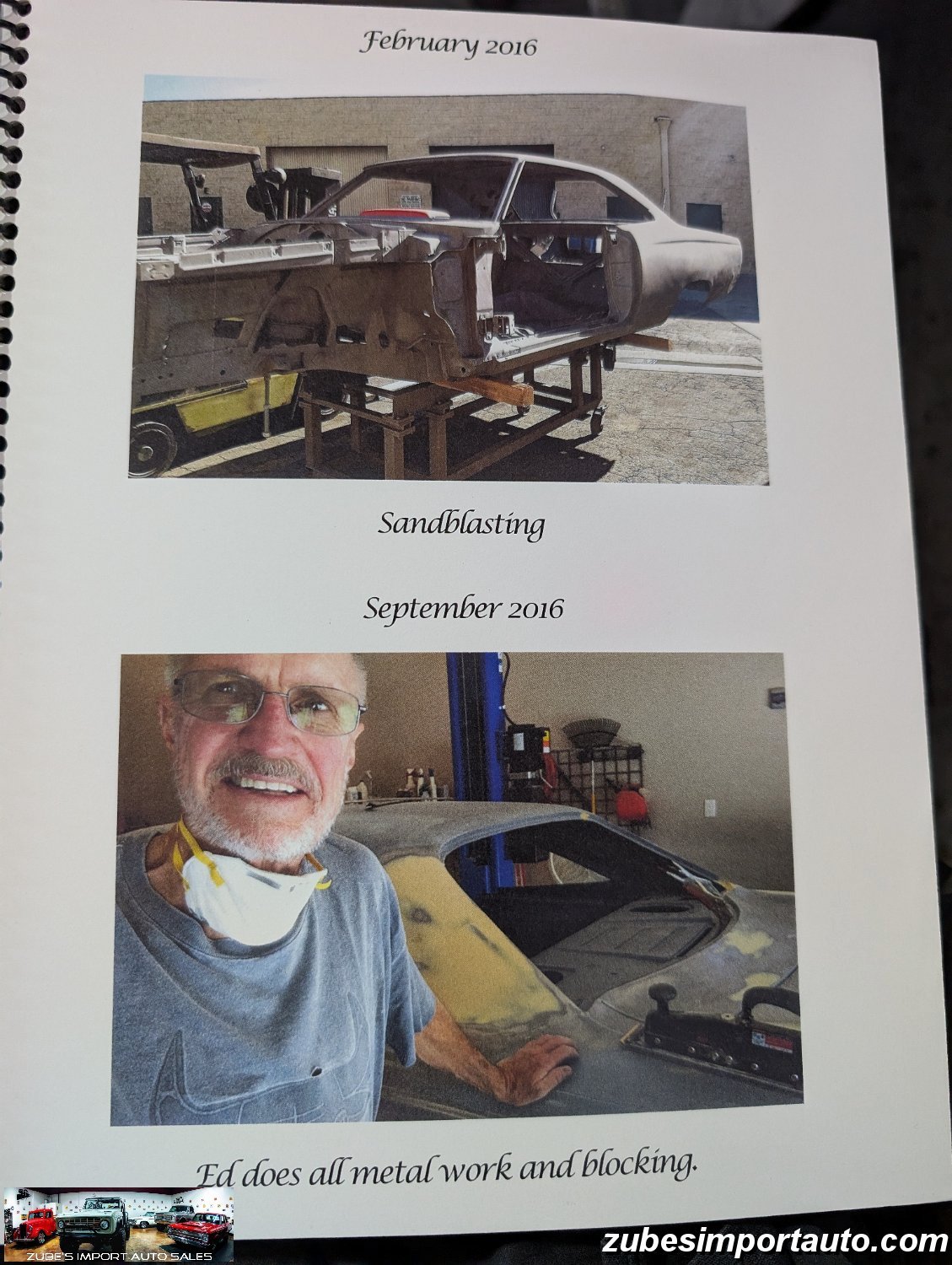
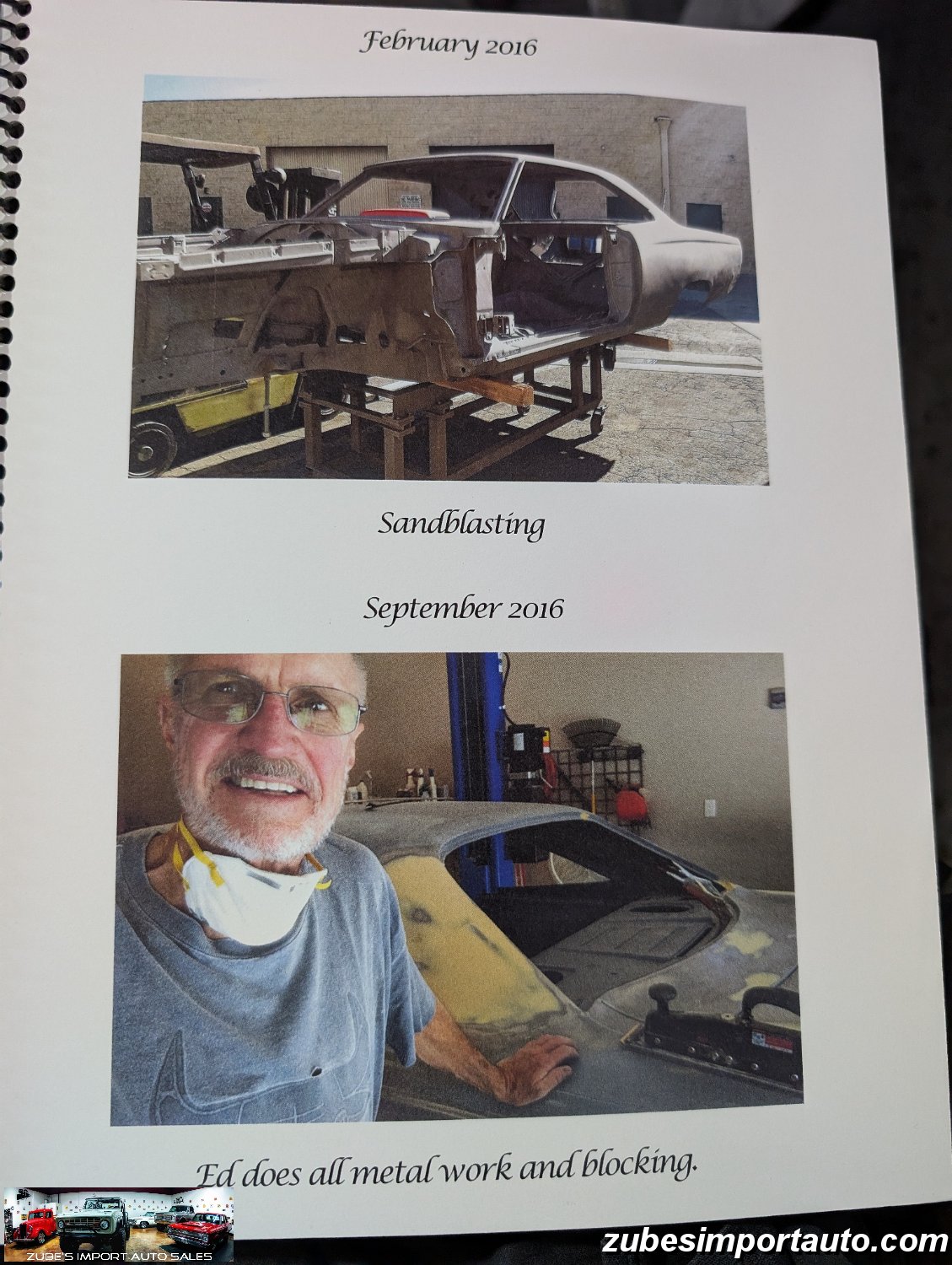
“We did our best to label, organize, and store every piece,” Mohr recalls. “In spite of our best effort it later became clear how critical this process was when it came to reassembly.” When the very last bits were removed, the body went to the sand blaster; a choice that the Mohrs later regretted. “We should have used beads to blast it or had it dipped.” After getting it back from the sand blaster, they went to work straightening out the body. “The body panels pretty wavy and the left quarter-panel, which had been damaged back when the car was new, needed to be reworked,” explains Ed. “An interesting aside about that quarter-panel, as an 18-year-old apprentice back in 1968, Bob asked me to fix that quarter which I did, or at least I thought I did until I had to rework it! Fearing embarrassment now, I spent the better part of a month just on that quarter, picking and filing until I got it where I liked it.
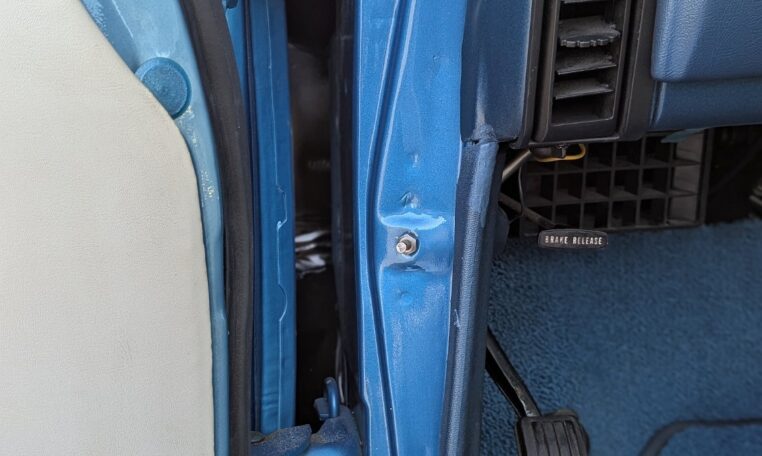
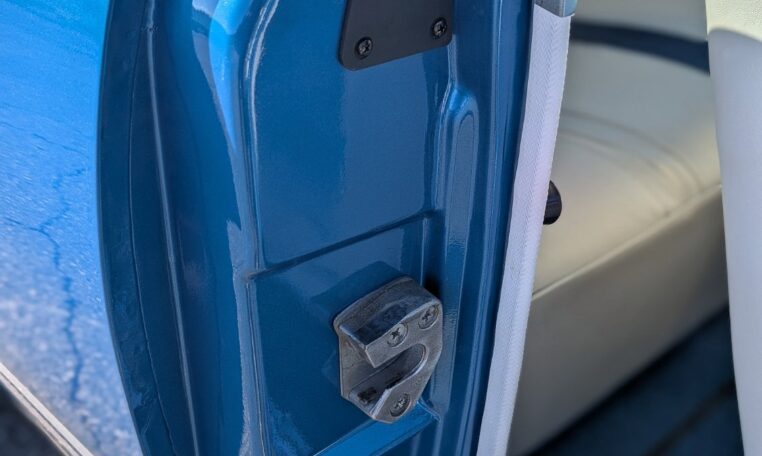
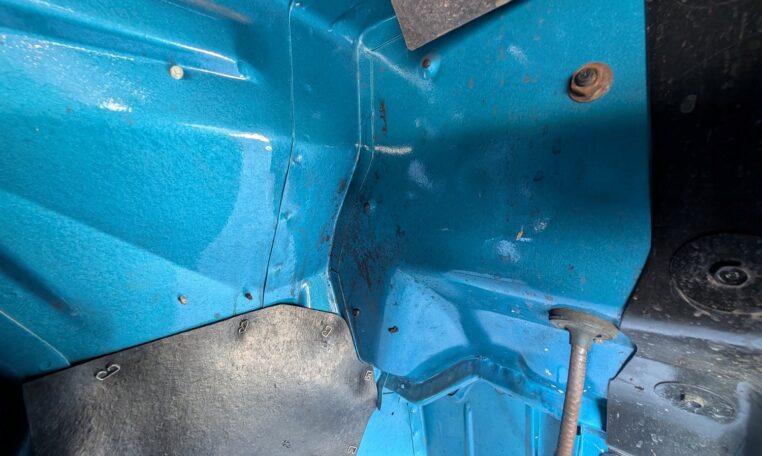
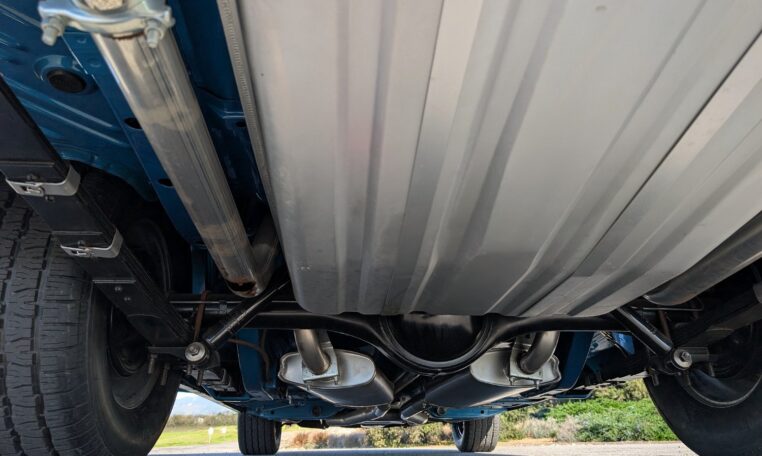
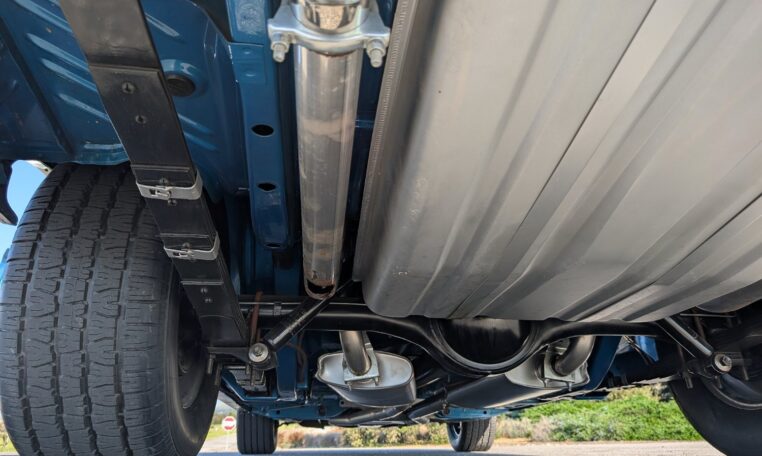
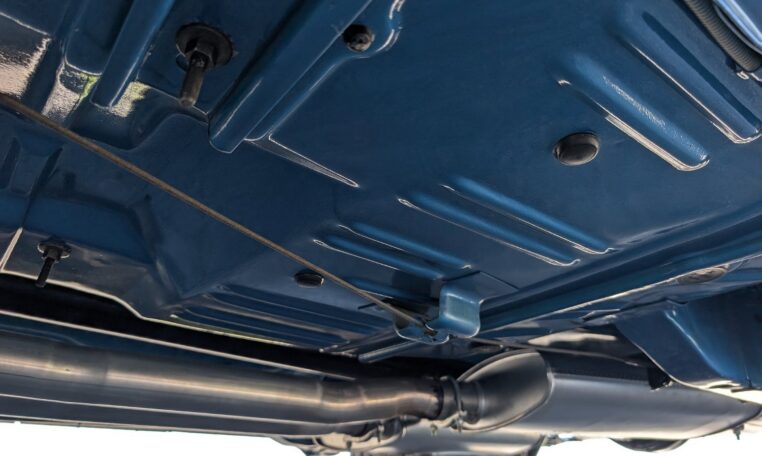
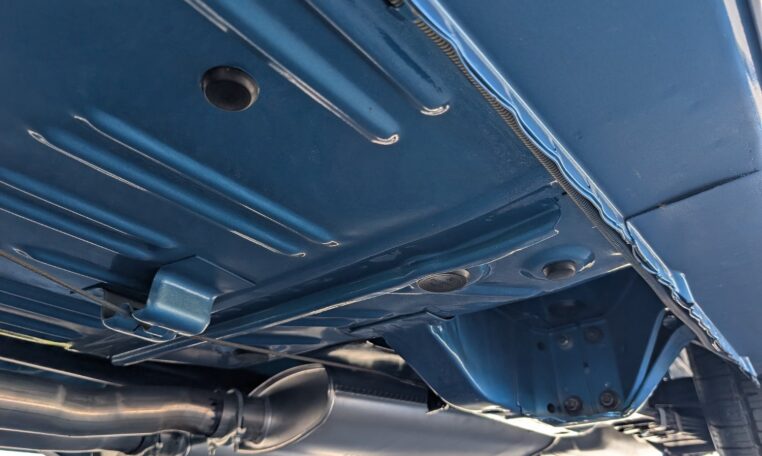
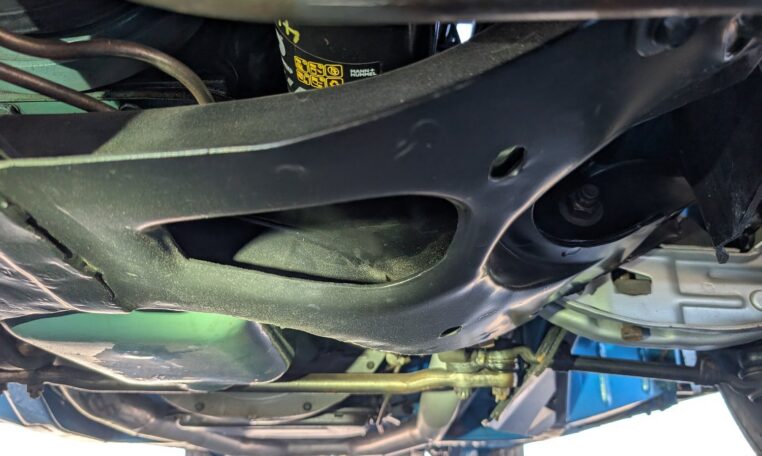
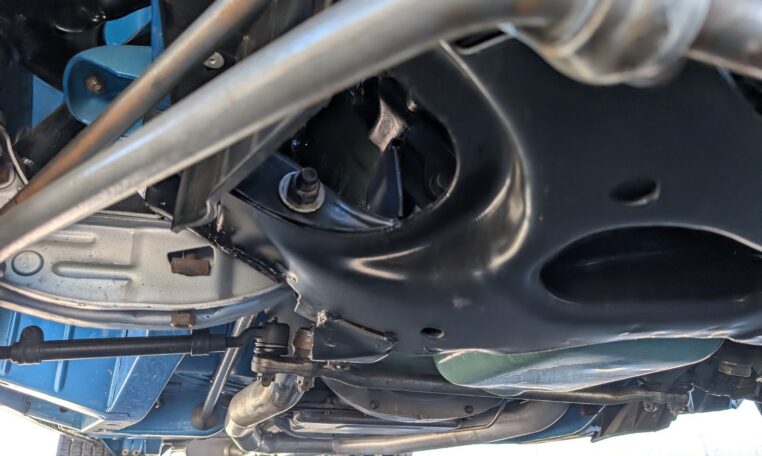
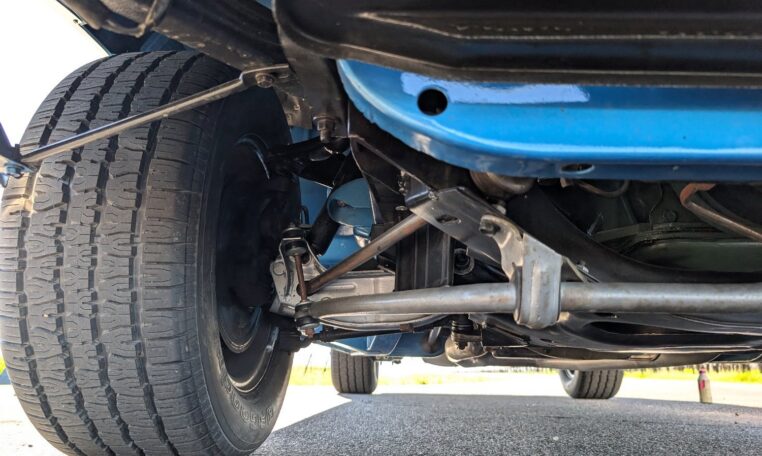
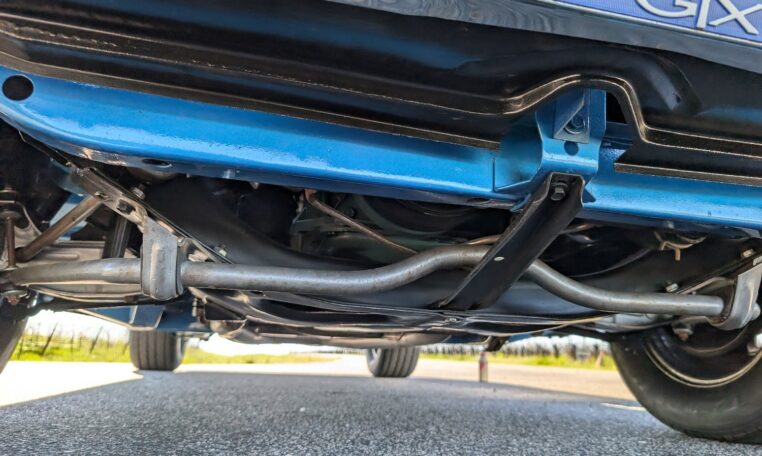
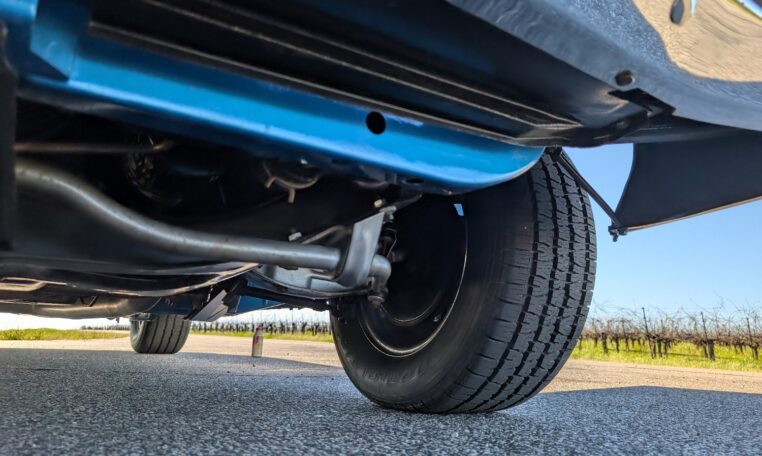
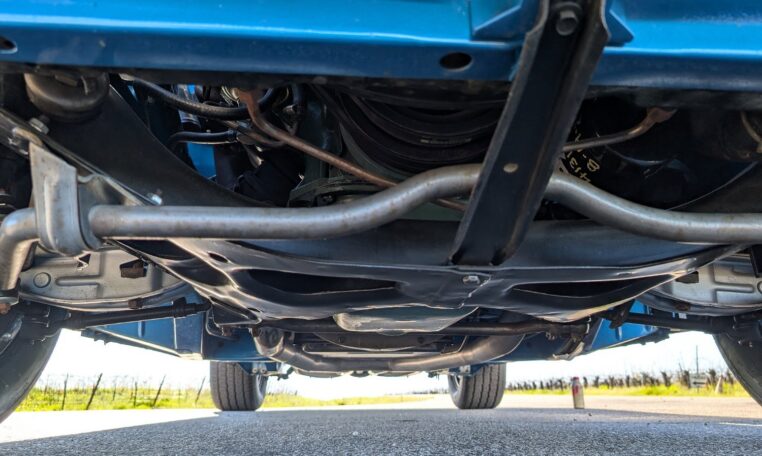
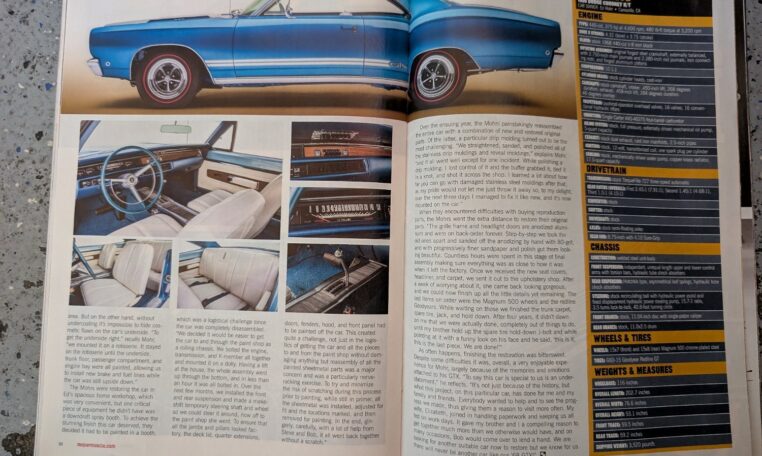
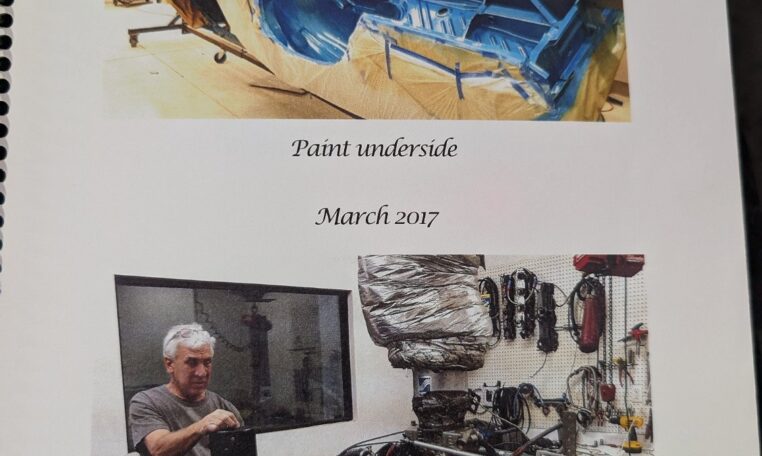
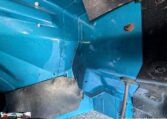
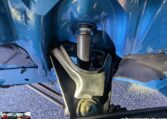
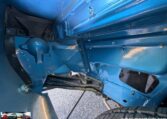
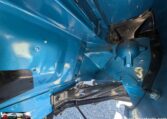
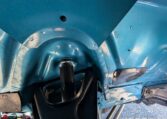
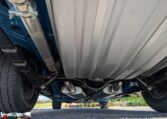
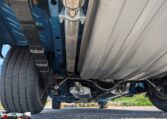
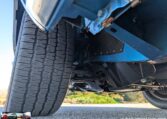
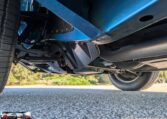
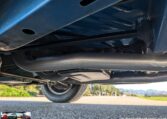
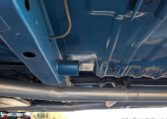
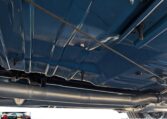
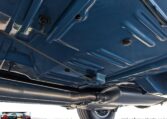
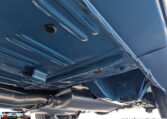
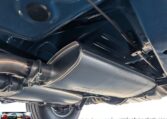
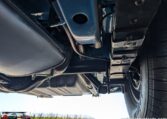
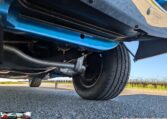
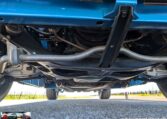
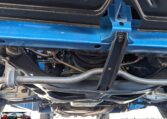
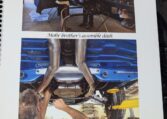
Ultimately, every panel was worked over to remove dings and dents, and each skim coated and primed and blocked several times.” Since this GTX was delivered new in California, it never had undercoating, which is generally a blessing for a car that’s lived its whole life in a dry, salt-free environment.Over the ensuing year, the Mohrs painstakingly reassembled the entire car with a combination of new and restored original parts. Of the latter, a particular drip molding turned out to be the most challenging. “We straightened, sanded, and polished all of the stainless drip moldings,” explains Mohr, “and it all went well except for one incident.
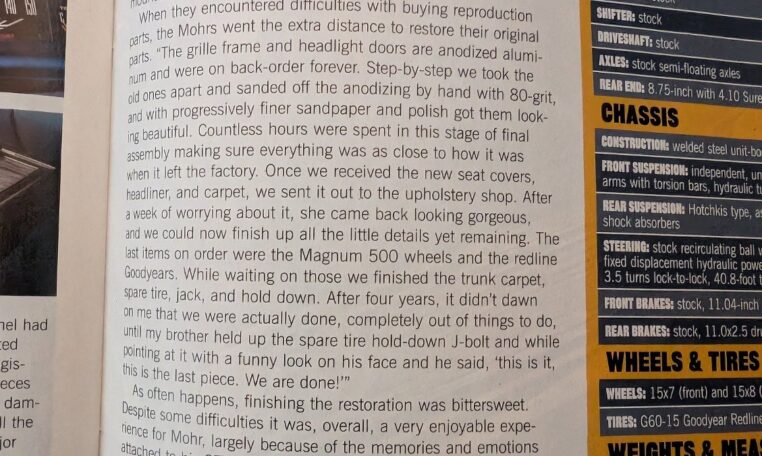
While polishing a control of it and the buffer grabbed it, tied it in a knot, and shot it across the shop. I learned a lot about how far you can go with damaged stainless steel moldings after that, as my pride would not let me just throw it away so, to my delight, over the next three days I managed to fix it like new, and it’s now mounted on the car.” When they encountered difficulties with buying reproduction parts, the Mohrs went the extra distance to restore their original parts. “The grille frame and headlight doors are anodized aluminum and were on back-order forever.
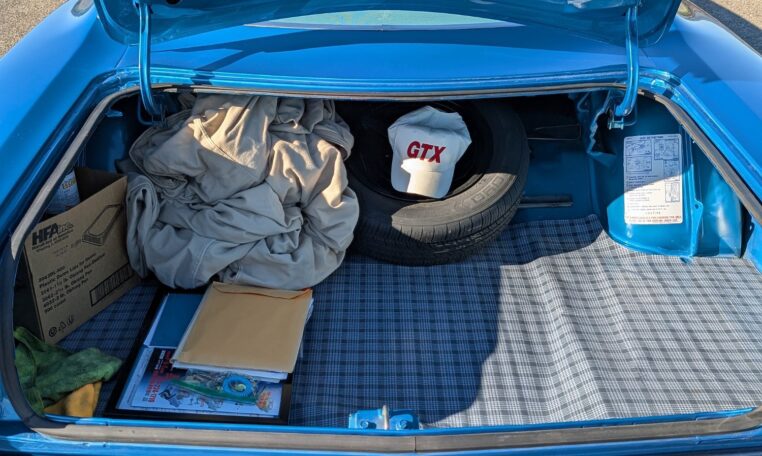
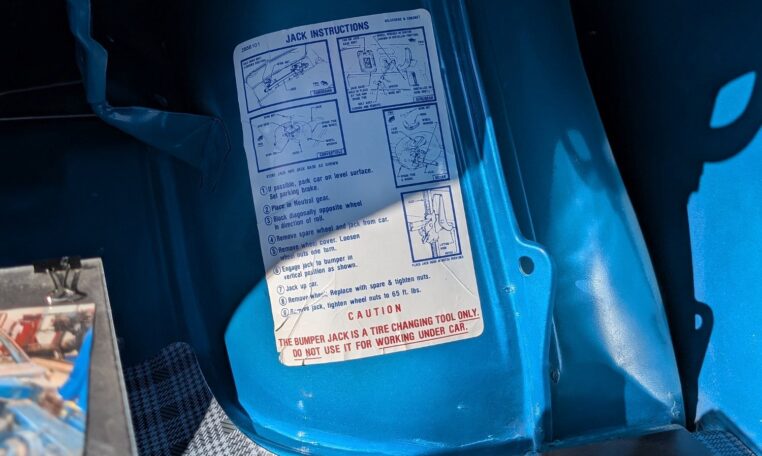
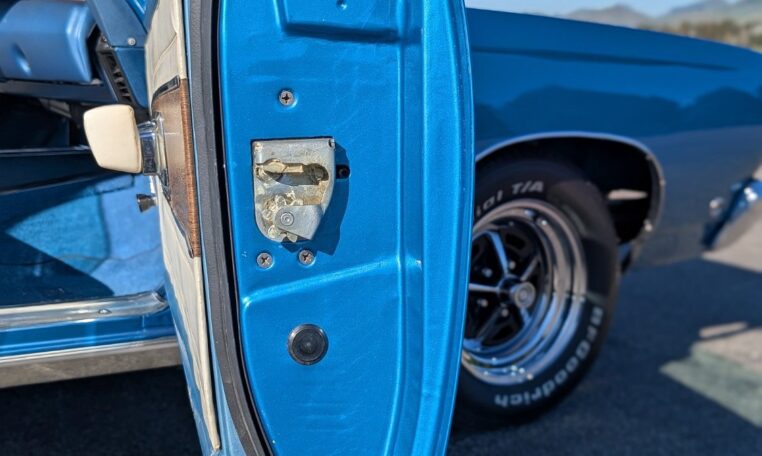
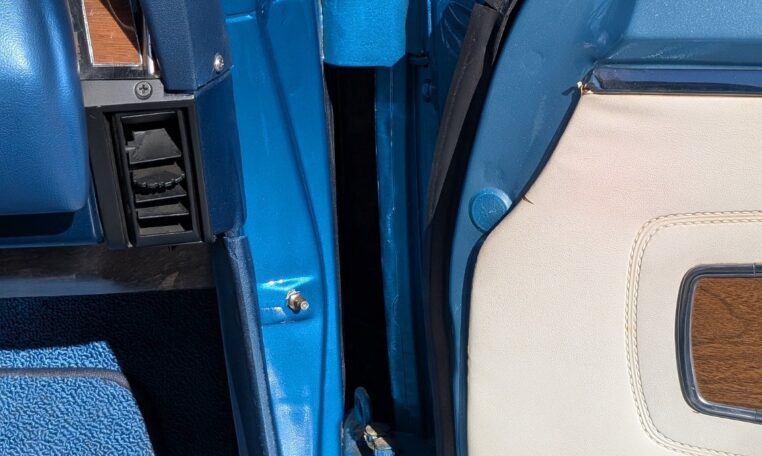
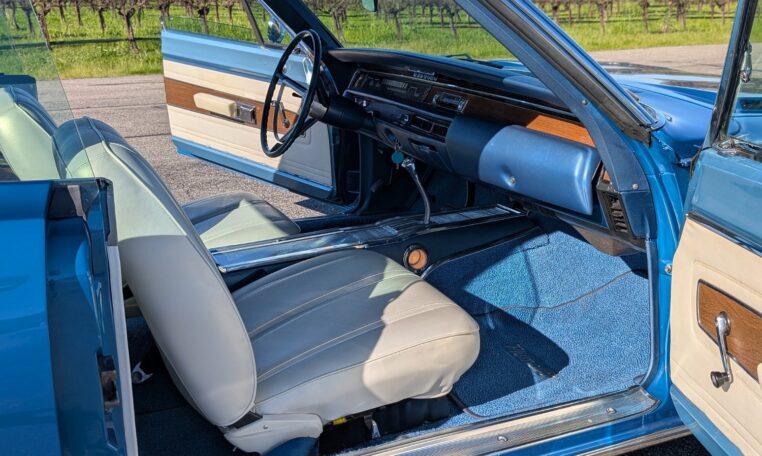
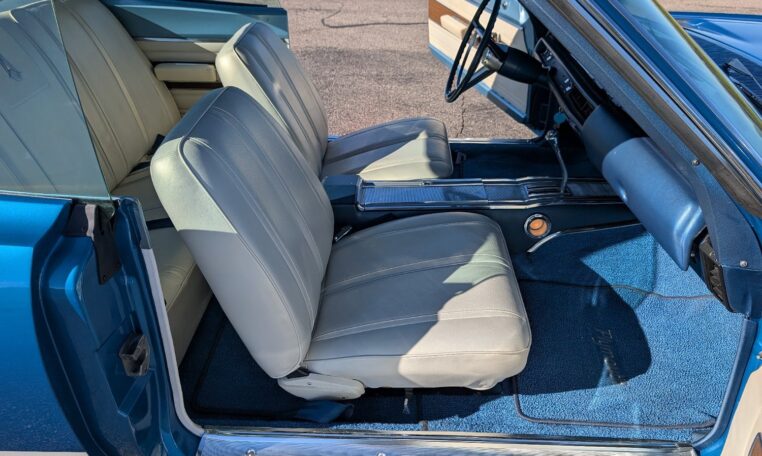
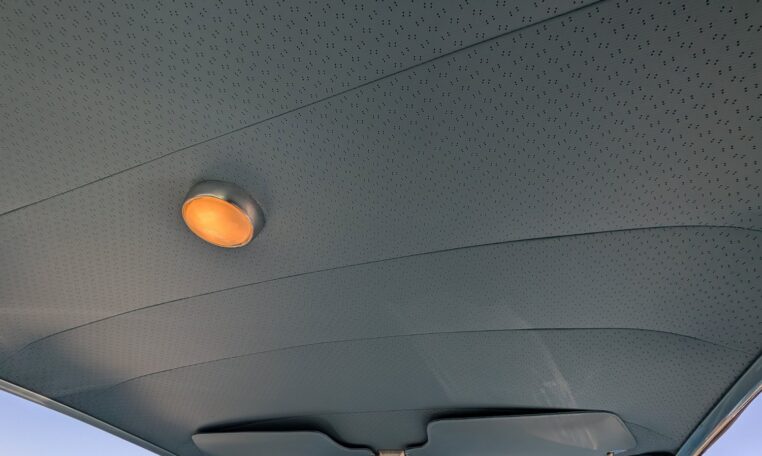
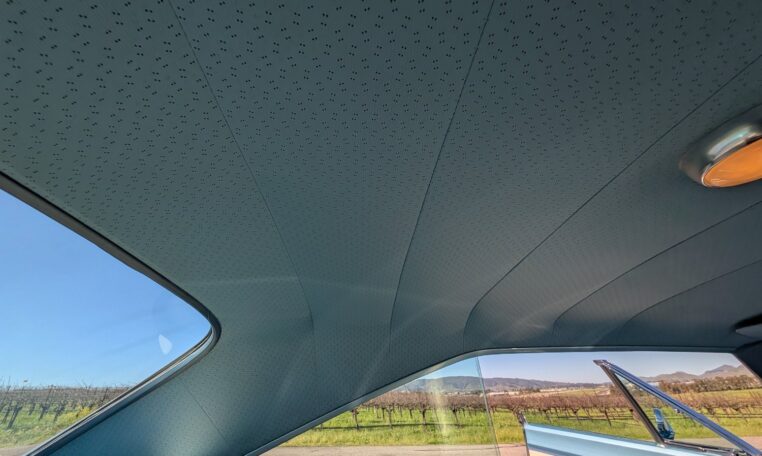
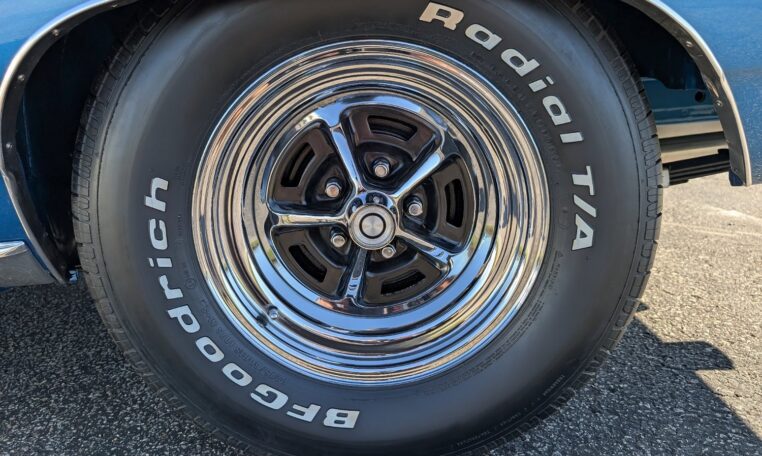
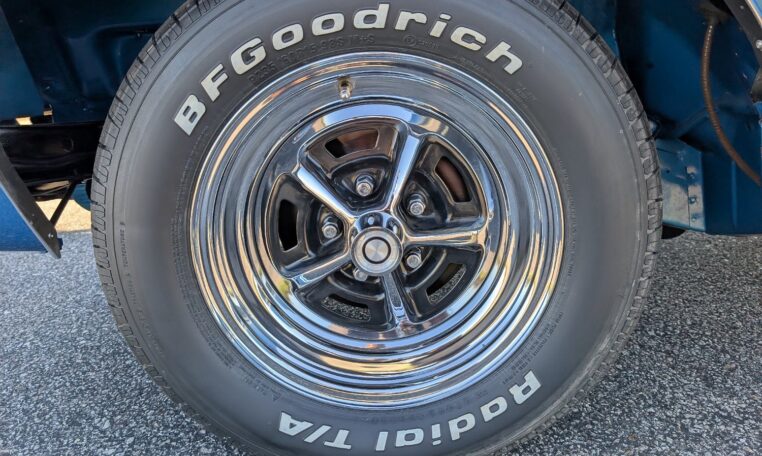
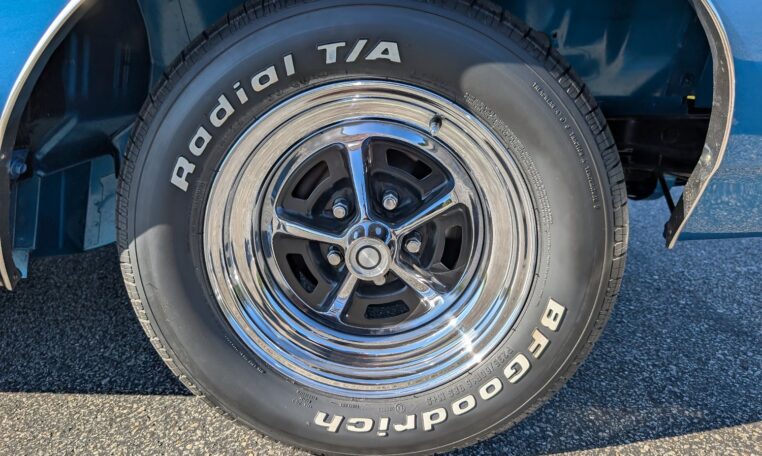
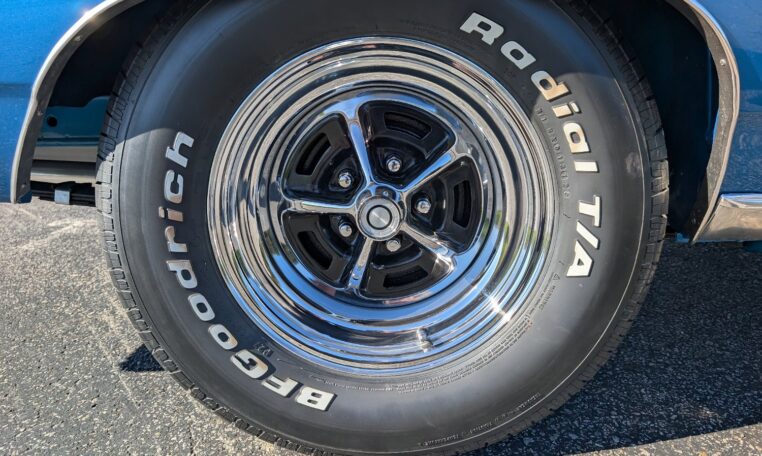
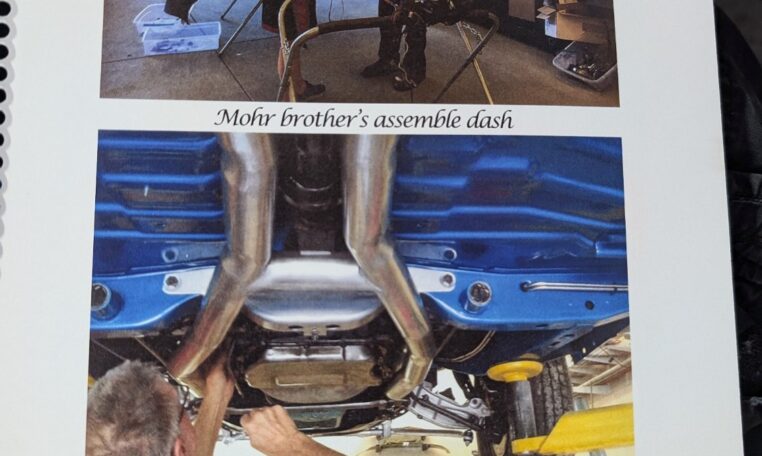
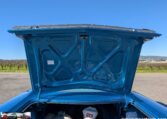
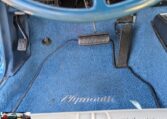
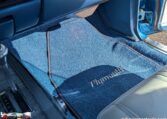
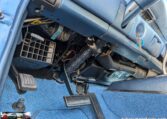
Step-by-step we took the old ones apart, stripped off the anodizing by hand with 80-grit, and with progressive finer sandpaper and polish got them looking beautiful. Countless hours were spent in this stage of final assembly making sure everything was as close to how it was when it left the factory. Once we received the new seat covers, headliner, and carpet, we sent it out to the upholstery shop. After a week of worrying about it, she came back looking gorgeous, and we could now finish up all the little details yet remaining. The last items on order were the Magnum 500 wheels and the redline Goodyears. While waiting on those we finished the trunk carpet, spare tire, lack, and hold down. After four years, it didn’t dawn on me that we were actually done, completely out of things to do, until my brother held up the spare tire hold-down J-bolt and while up the spare tire hold-down J-bolt and while we were actually done.
After four years, it didn’t dawn on me that we were actually done, completely out of things to do, until my brother held up the spare tire hold-down J-bolt and with a funny look on his face and he said, ‘this is it, We are done!'” The restoration was bittersweet. Despite some difficulties it was, overall, a very enjoyable experience for Mohr, largely because of the memories and emotions attached to his GTX. “To say this car is special to us is an understatement,” he reflects. “It’s not just because of the history, but what this project, on this particular car, has done for me and my family and friends. Everybody wanted to help and to see the progress we made, thus giving them a reason to visit more often. My wife, Elizabeth, joined in handling paperwork and keeping us all fed on work days.
It gave my brother and I a compelling reason to get together much more than we otherwise would have, and on many occasions, Bob would come over to lend a hand. We are looking for another suitable car like our ’68 GTX! We will never be another car like our ’68 GTX!”This GTX isn’t just a car—it’s a rolling testament to camaraderie and craftsmanship, ready for its next chapter.
Essentials
California Lifelong Resident: Assembled at the Los Angeles, CA plant and has remained in California its entire life, ensuring a rust-free body and authentic West Coast provenance in a dry, salt-free environment.
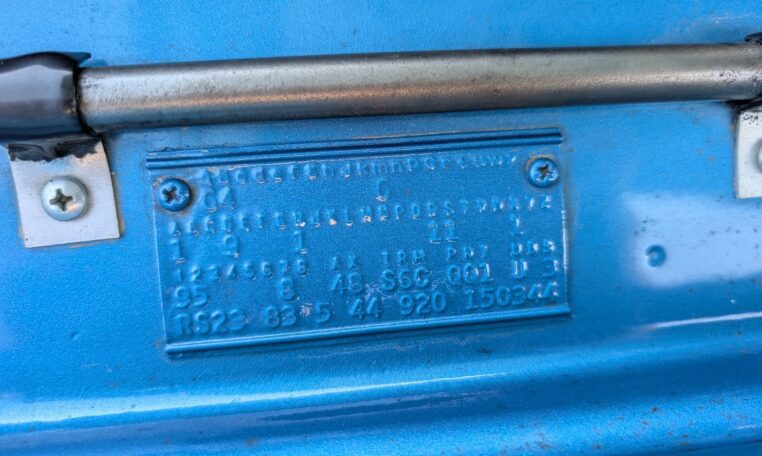
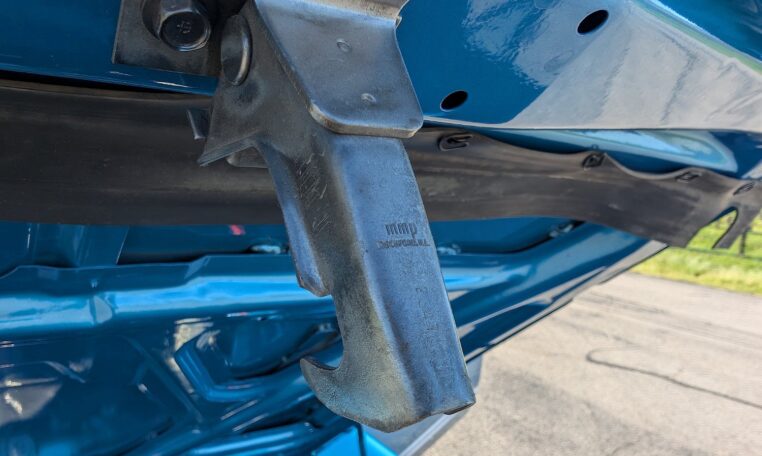
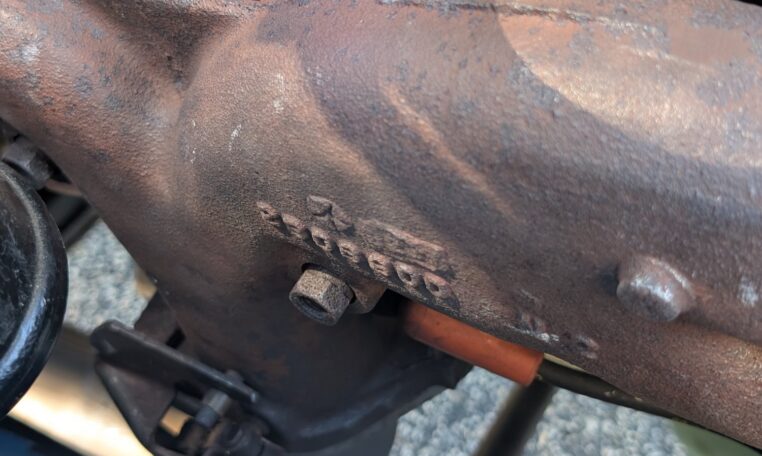
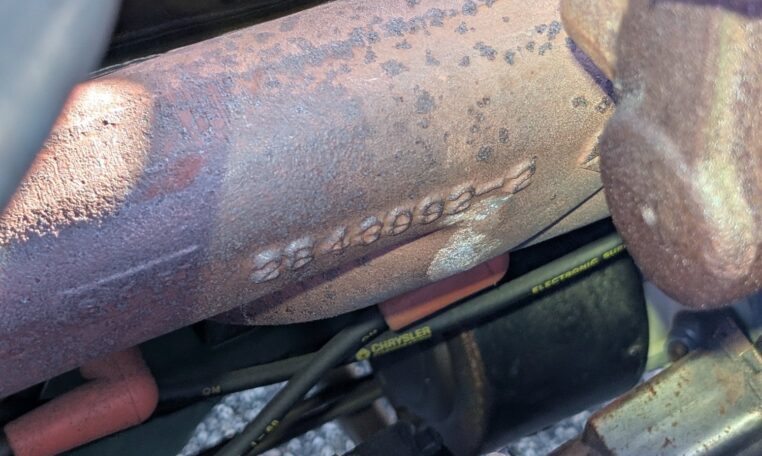
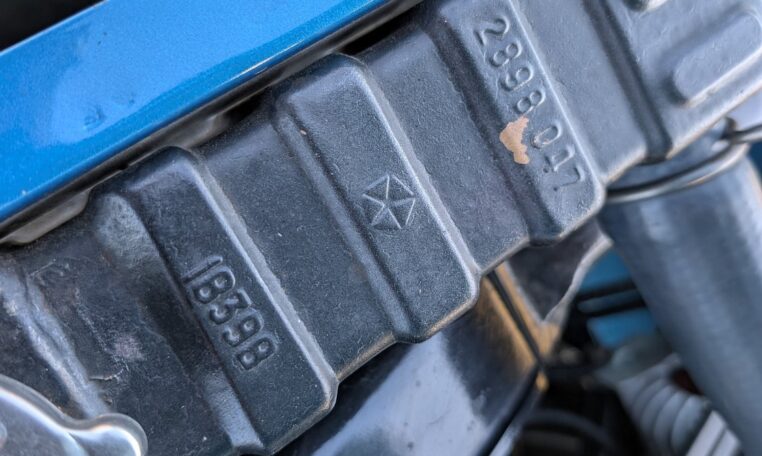
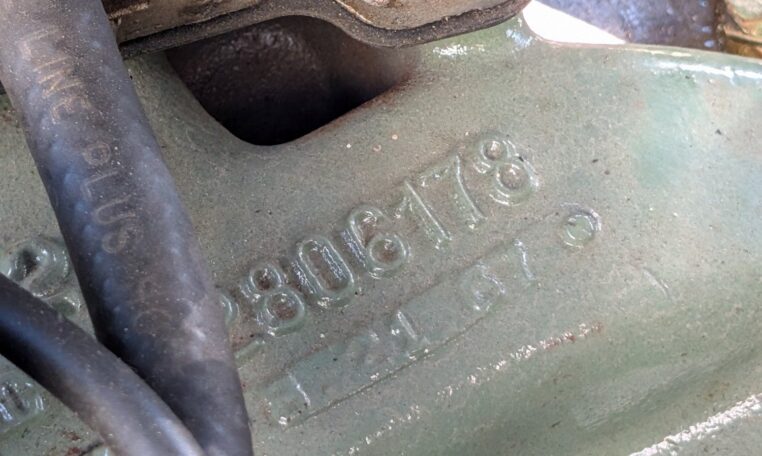
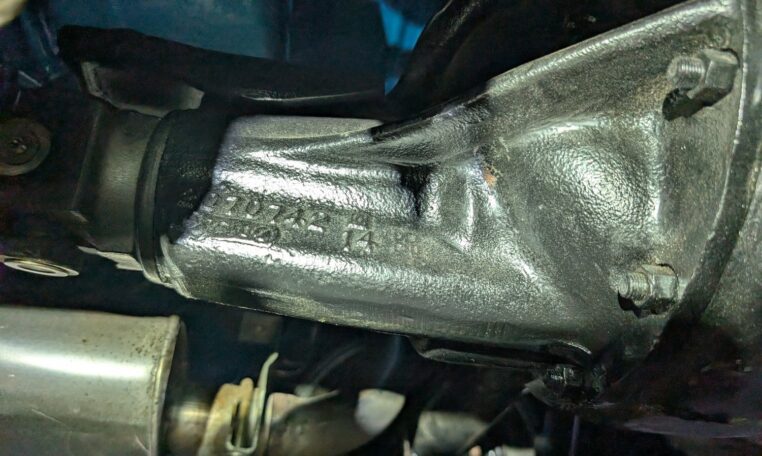
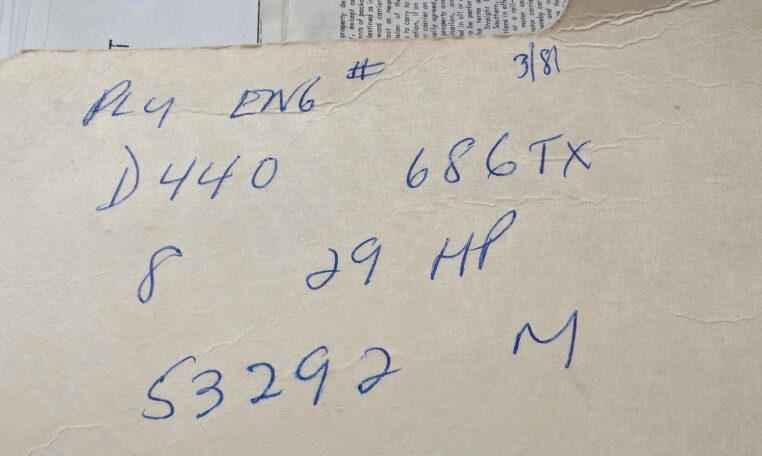
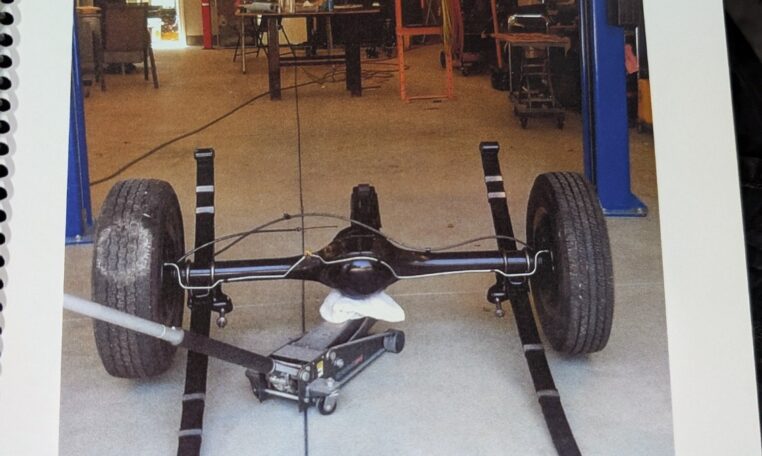
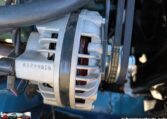
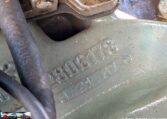
Numbers-Matching Originality: Fully numbers-matching drivetrain, including the original 440 Magnum V8 engine, 727 TorqueFlite transmission, and rear end, preserving its factory authenticity.
Two-Owner History: Purchased new by Bob Wagner in 1967 from Van Nuys Plymouth dealer Mashak Motors, then sold in 2014 to his childhood friend Steve Mohr, maintaining a tight chain of custody.
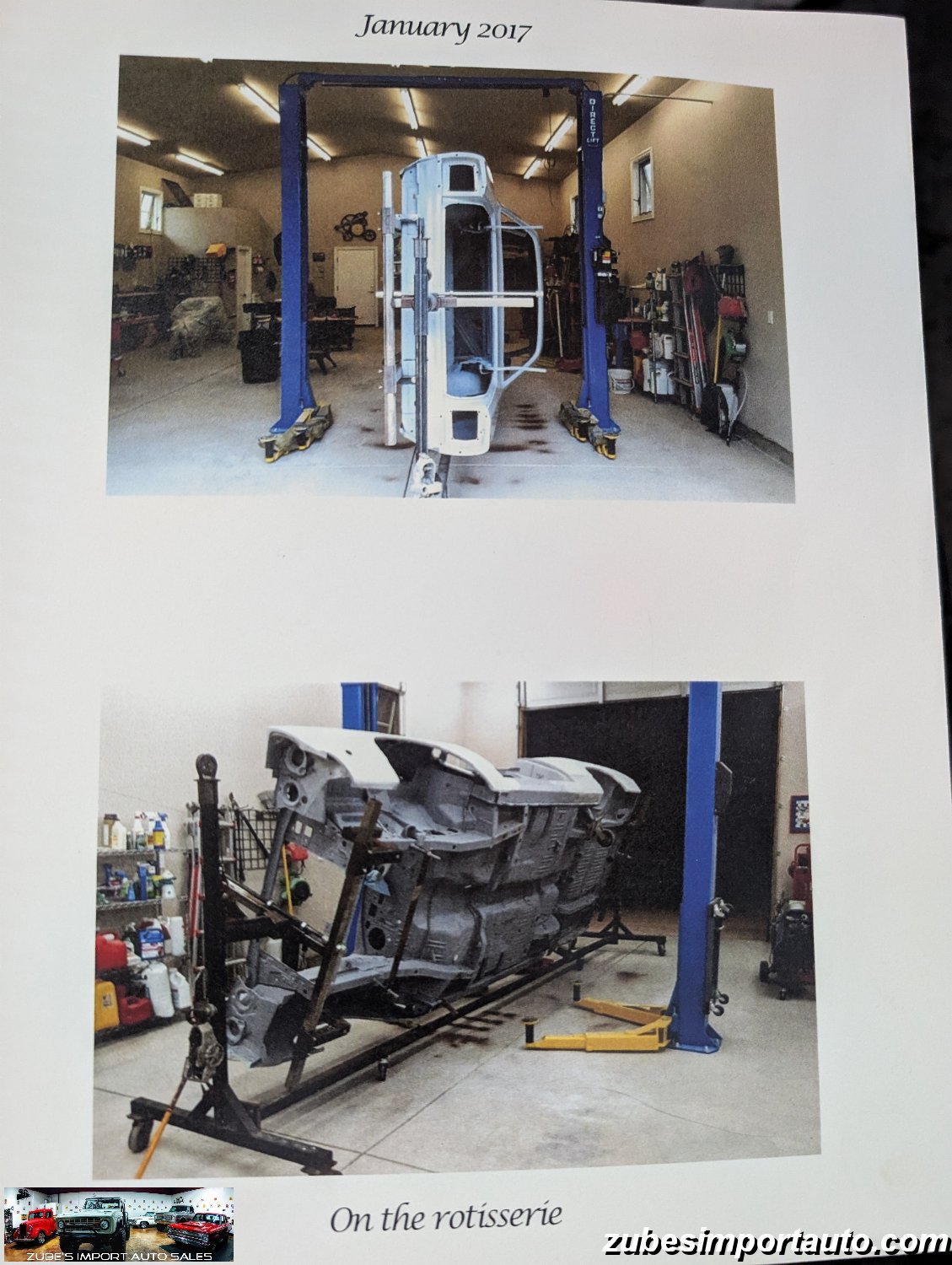
Rotisserie Restoration: Underwent a meticulous 4-year full rotisserie restoration by the Mohr brothers, disassembling to bare metal, rebuilding to factory specs, and reassembling with labeled parts for show-quality finish.
Featured in Mopar Muscle Magazine: Spotlighted in the April 2019 issue (Volume 32, Number 4) with a detailed feature story on its history, restoration, and emotional significance to the owners.
Full Documentation and Provenance: Includes all receipts, original owner documents, restoration records, and provenance tracing back to its October 7, 1967 purchase date.
Original Window Sticker and Build Sheet: Comes with the original window sticker outlining factory options and the build sheet confirming specifications like the 440 V8, automatic transmission, and color combo.
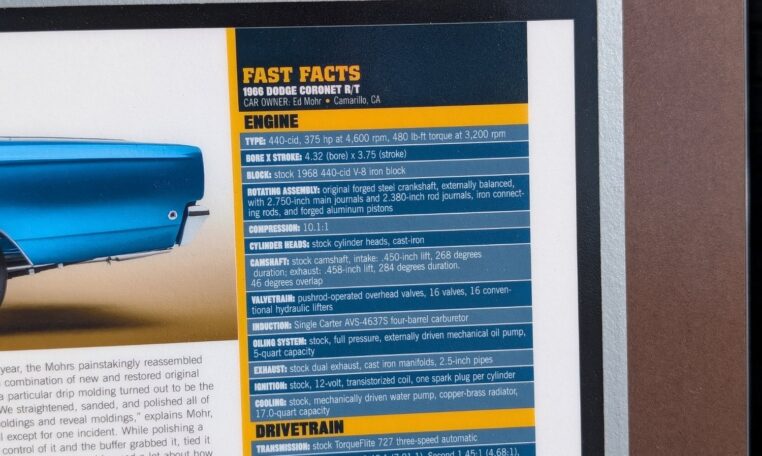
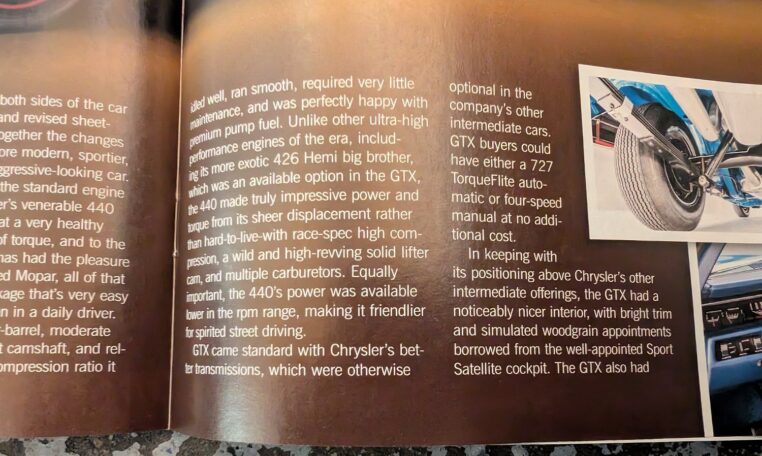
Powerful 440 Magnum V8: Equipped with the standard 440 cubic-inch V8 producing 375 horsepower at 4,600 rpm and 480 lb-ft of torque at 3,200 rpm, paired with a 3-speed automatic for exhilarating performance.
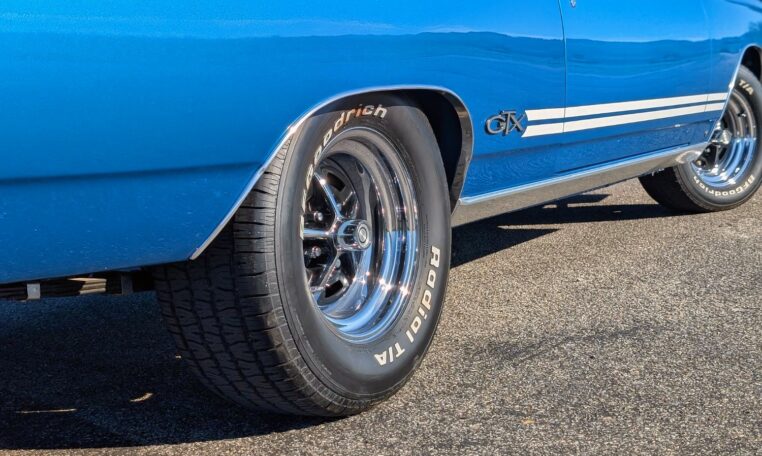
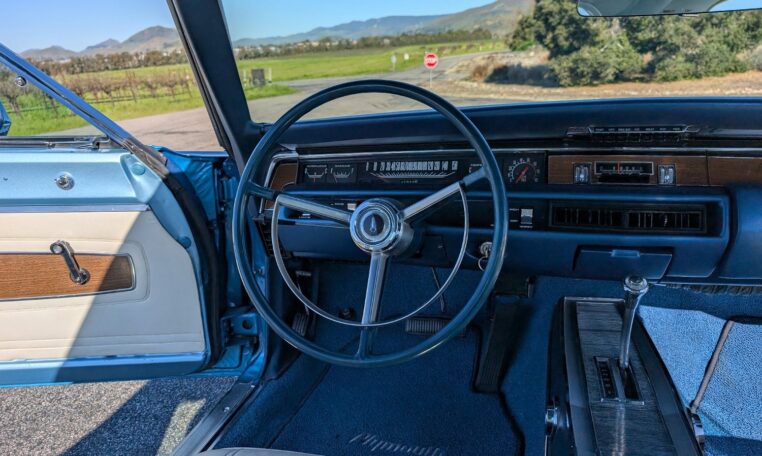
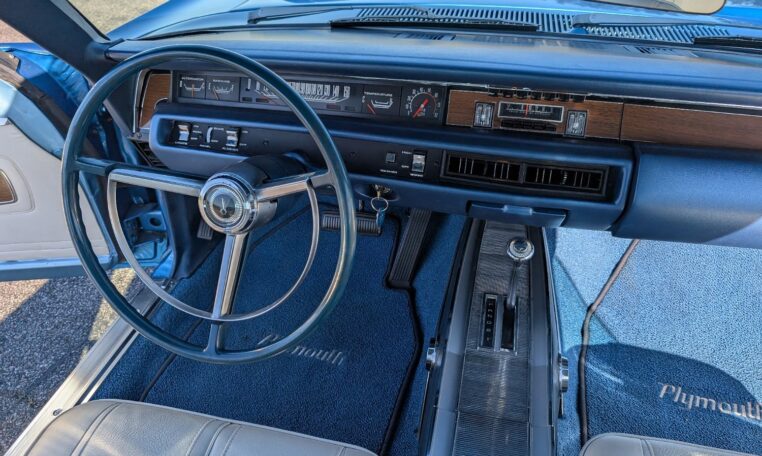
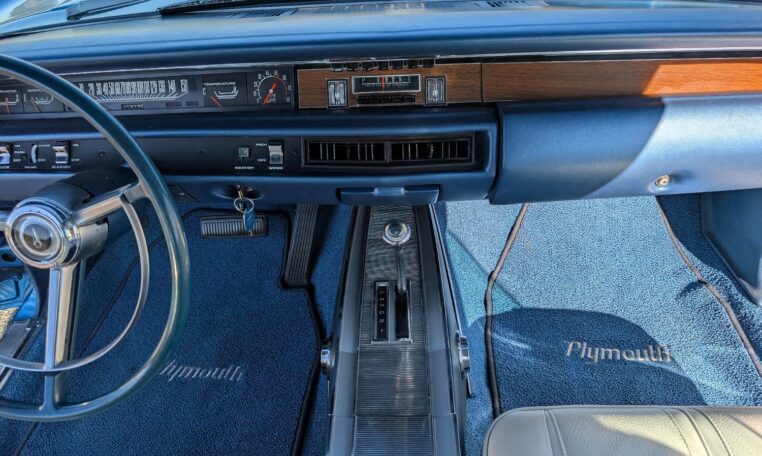
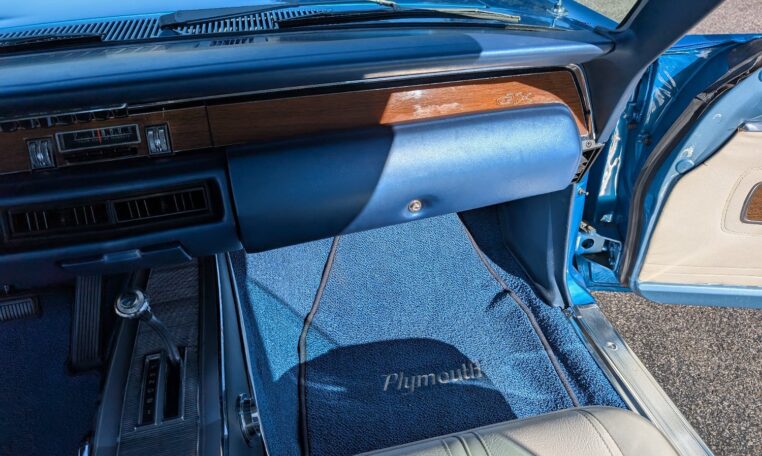
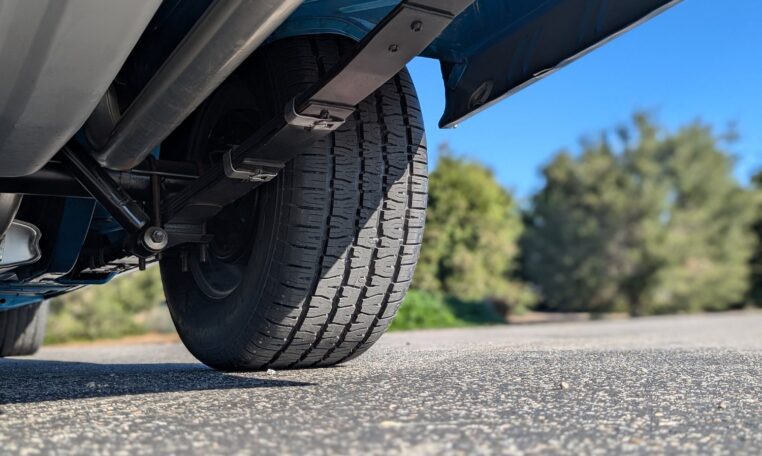
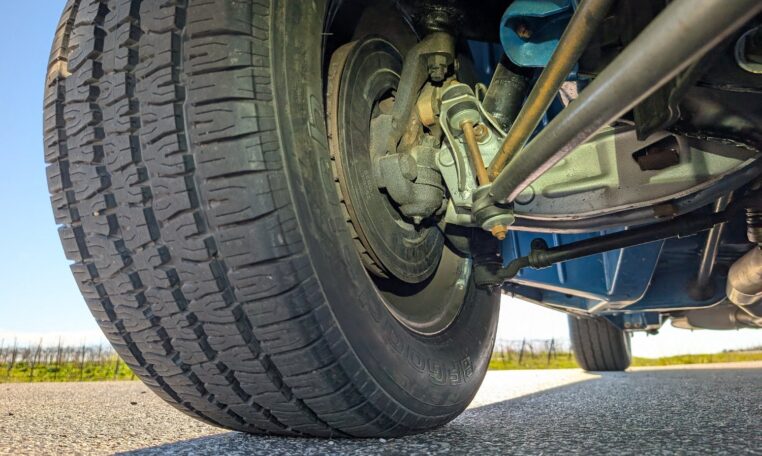
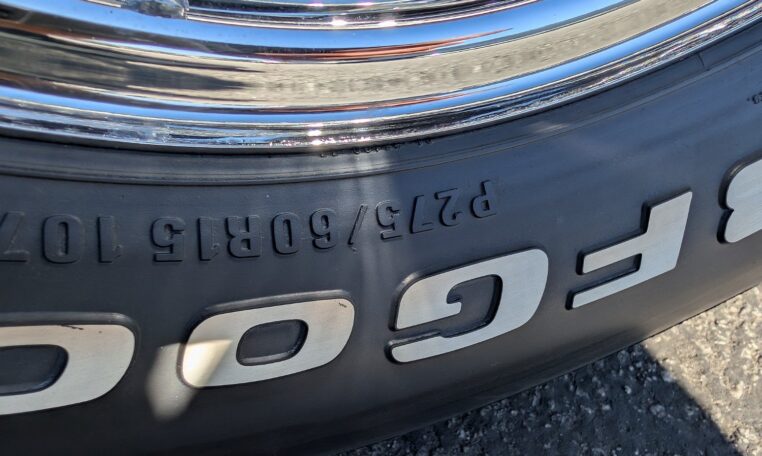
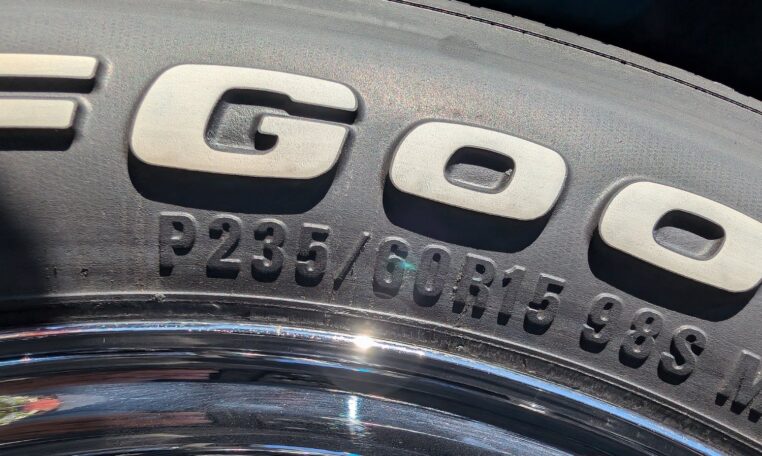
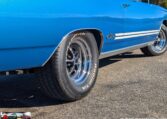
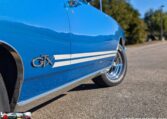
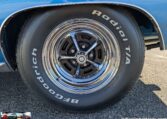
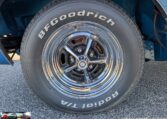
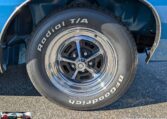
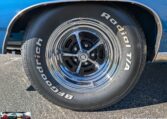
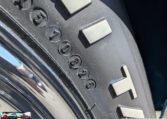
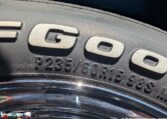
Exterior and Interior Details: Stunning Frost Blue Metallic paint with white interior, Magnum 500 wheels on BFG T/A radials and upscale features like faux hood vents and dual stripes for a gentleman’s muscle car aesthetic.
Performance Highlights: Achieves 0-60 mph in about 6.0 seconds, quarter-mile in 14.6 seconds at 96 mph, with torsion-bar suspension for balanced handling, making it a standout in the 1968 muscle car era.
Performance Metrics
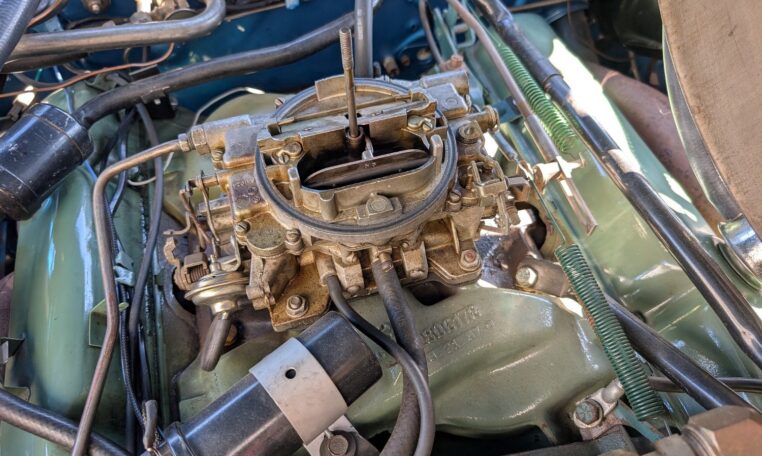
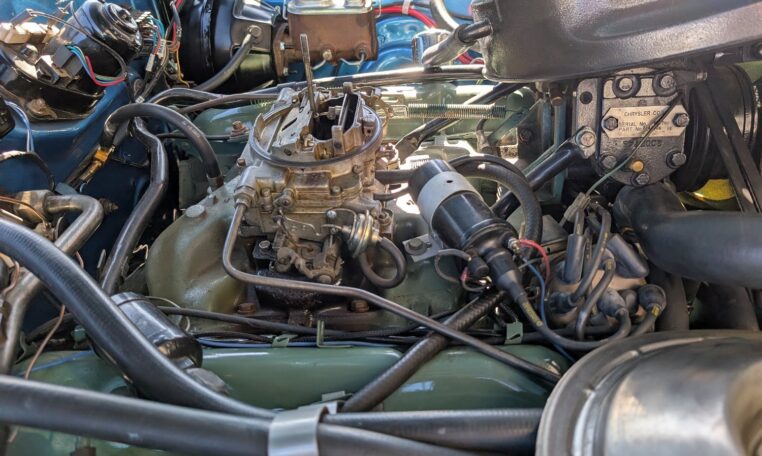
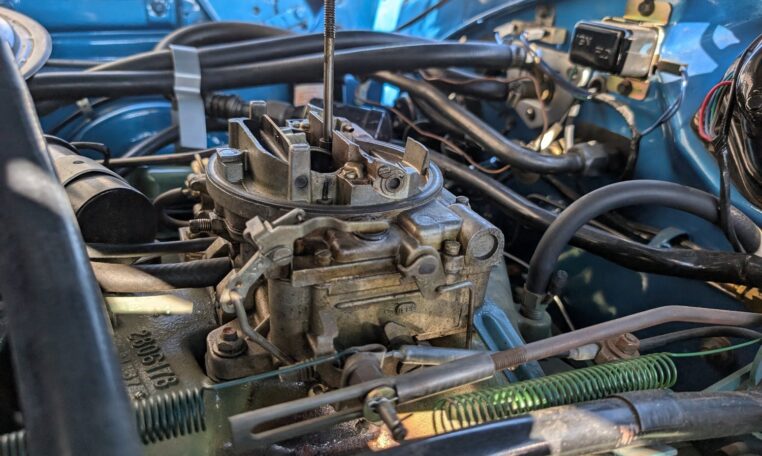
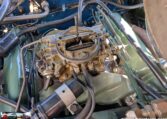
The 1968 Plymouth GTX with its 440 Magnum V8 engine produces 375 horsepower at 4,600 rpm and a staggering 480 lb-ft of torque at 3,200 rpm, making it a force on the street or strip. Equipped with the 727 TorqueFlite 3-speed automatic transmission, this model achieves 0-60 mph in approximately 6.0 seconds, with quarter-mile times around 14.6 seconds at 96 mph. Top speed hovers near 122 mph, and braking from 60 mph takes about 141 feet. These figures highlight its raw power, thanks to a 10.1:1 compression ratio, hydraulic lifters, and a single Carter AVS-4637S four-barrel carburetor, delivering exhilarating acceleration that pins you to the seat while maintaining drivability for everyday use.
Competitors & Comparison
In 1968, the Plymouth GTX faced stiff competition from other muscle car icons like the Chevrolet Chevelle SS 396, Pontiac GTO, Oldsmobile 442, Buick Gran Sport, Ford Torino GT, Mercury Cyclone, and its corporate sibling, the Dodge Charger R/T. The GTX stood out as the “gentleman’s muscle car” with its upscale trim and powerful standard 440 V8, often outperforming rivals in straight-line speed—its 375 hp edged out the Chevelle’s 350 hp base or the GTO’s 360 hp, achieving similar or better quarter-mile times. While the Charger R/T shared the same powertrain but targeted a more aggressive buyer with its fastback styling, the GTX offered a balanced blend of luxury and performance, holding its own in drag races and even winning fan polls like the 2018 Muscle Car Match-Ups against contemporaries. Its torsion-bar suspension provided better handling than some competitors, making it versatile beyond just raw power.
Features Based On Window Sticker
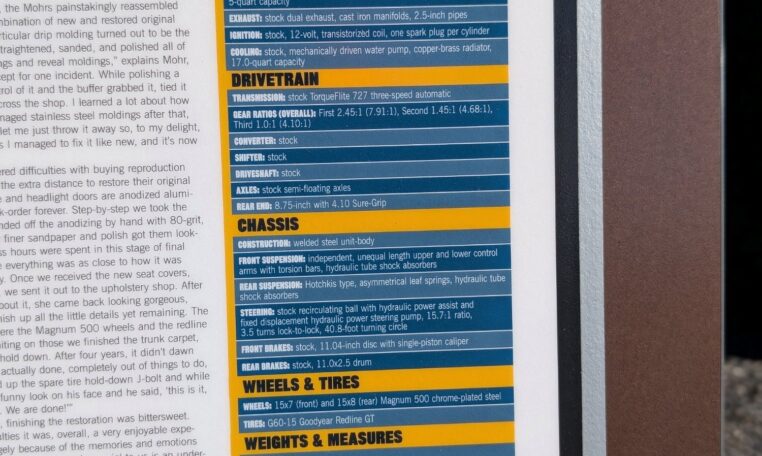
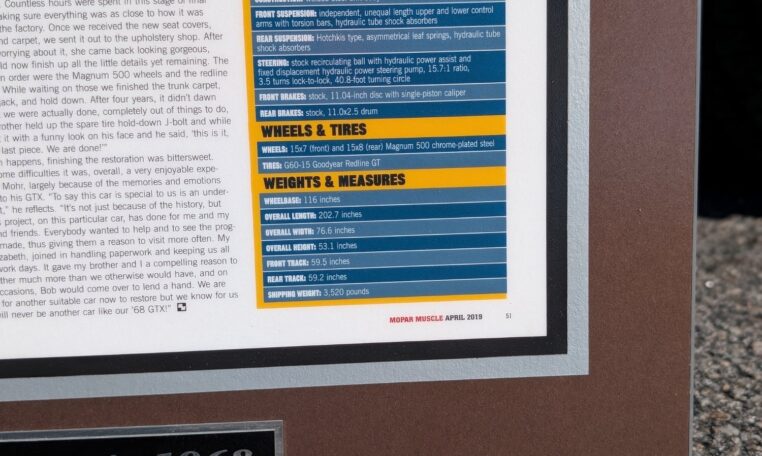
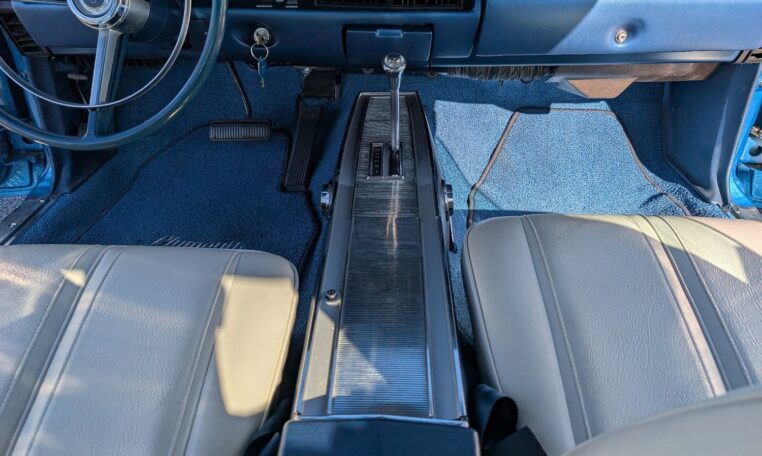
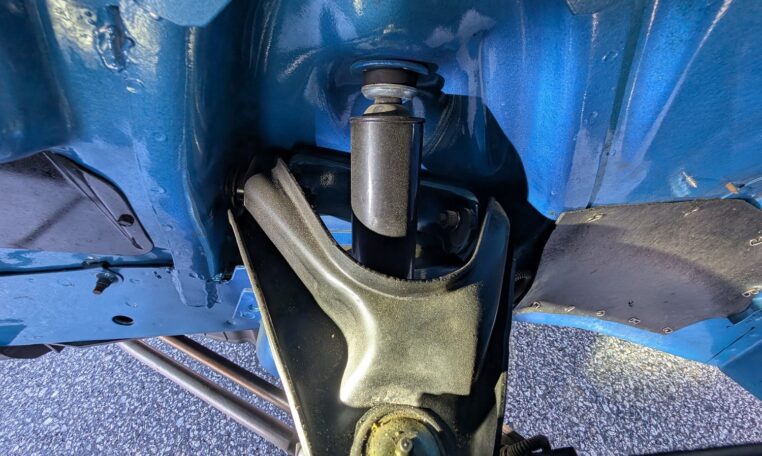
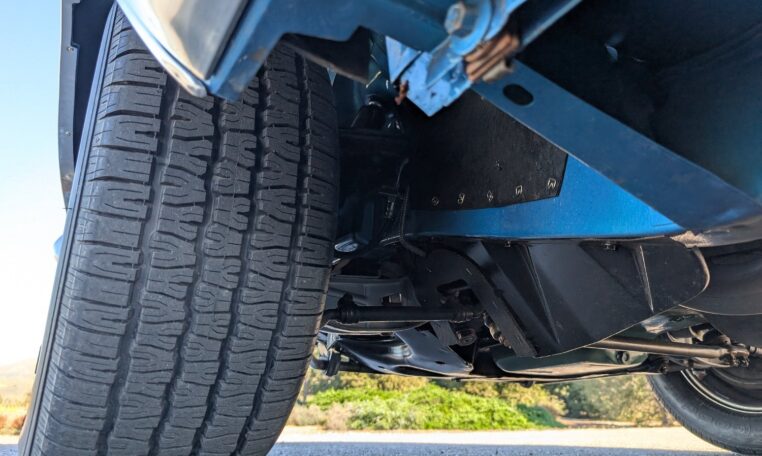
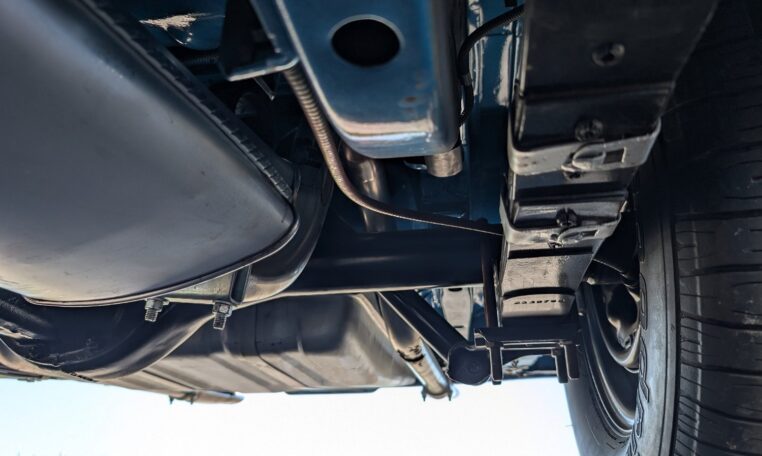
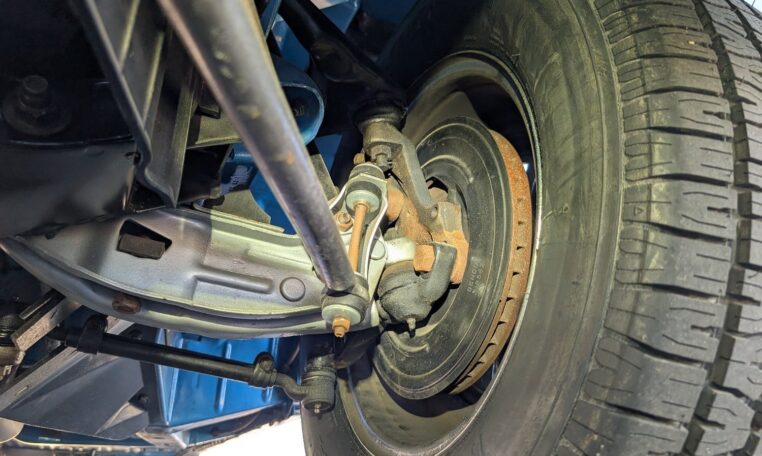
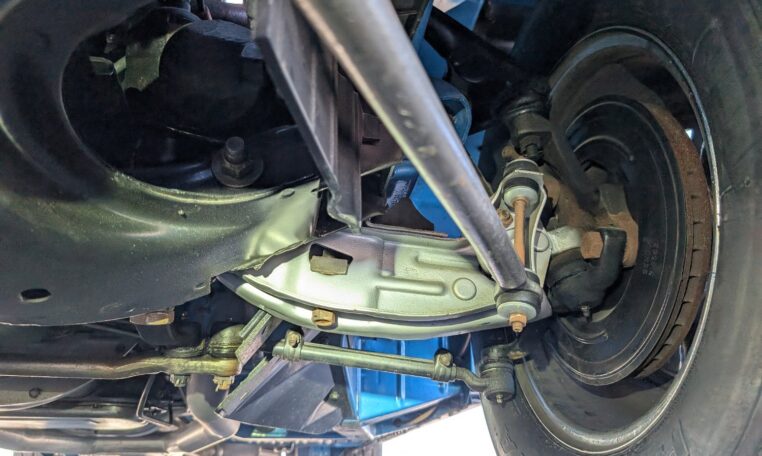
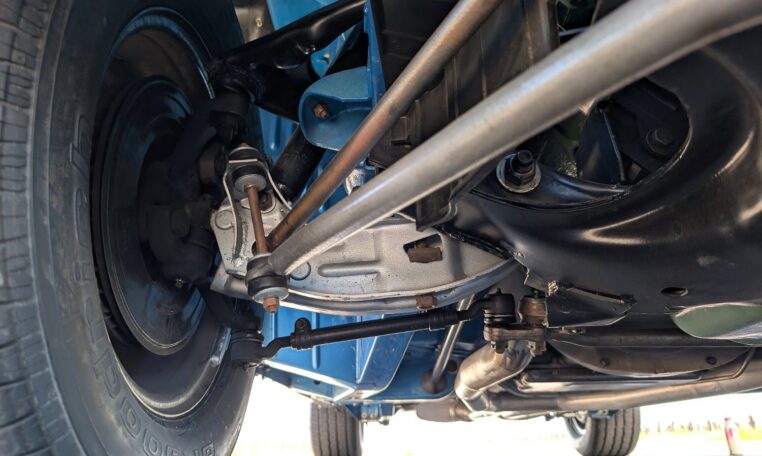
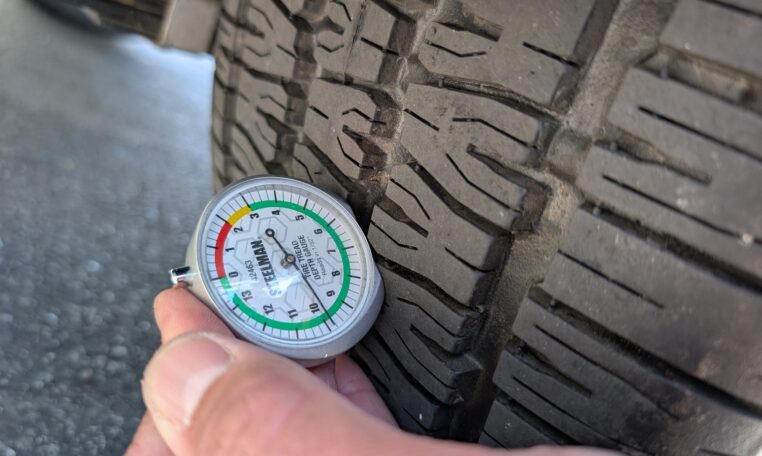
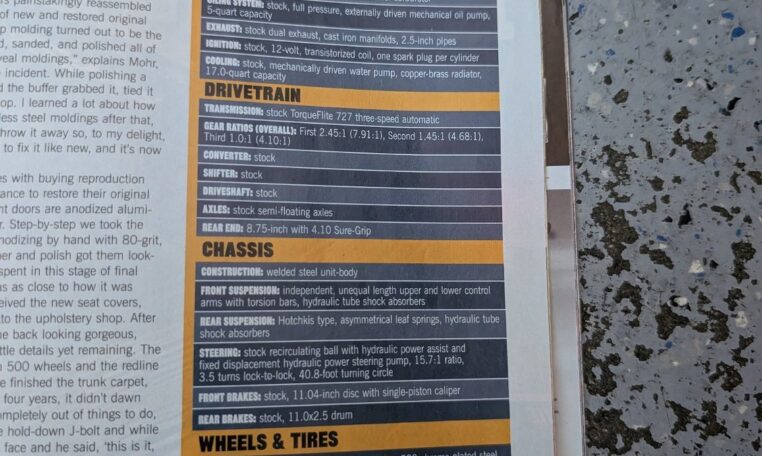
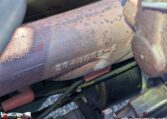
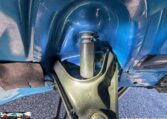
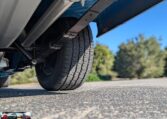
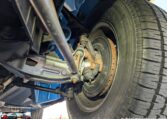
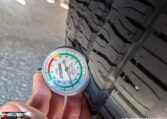
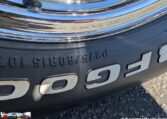
This GTX boasts a comprehensive array of stock features as per its original specifications, including a welded steel unit-body construction, independent front suspension with torsion bars and hydraulic tube shock absorbers, and rear suspension with Hotchkis-type asymmetrical leaf springs and hydraulic tube shocks. The drivetrain includes the TorqueFlite 727 three-speed automatic transmission with gear ratios of 2.45:1 (first), 1.45:1 (second), and 1.00:1 (third), paired with a stock converter and shifter. Braking is handled by 11.04-inch front discs with single-piston calipers and 11.0 x 2.5-inch rear drums. Wheels are 15×7 (front) and 15×8 (rear) Magnum 500 chrome-plated steel rims in G60-15 Goodyear Redline GT tires that are currently wrapped in BFG Radial T/A tires.
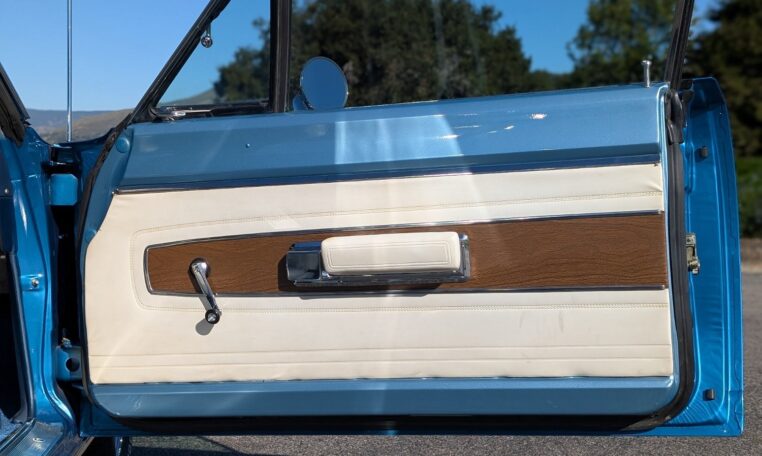
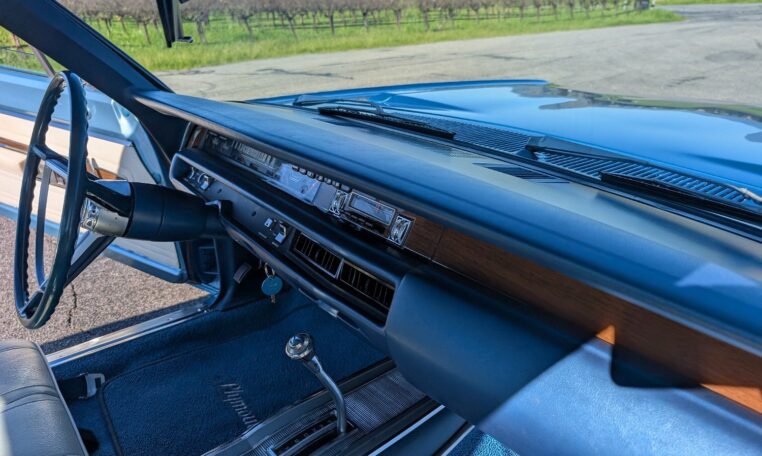
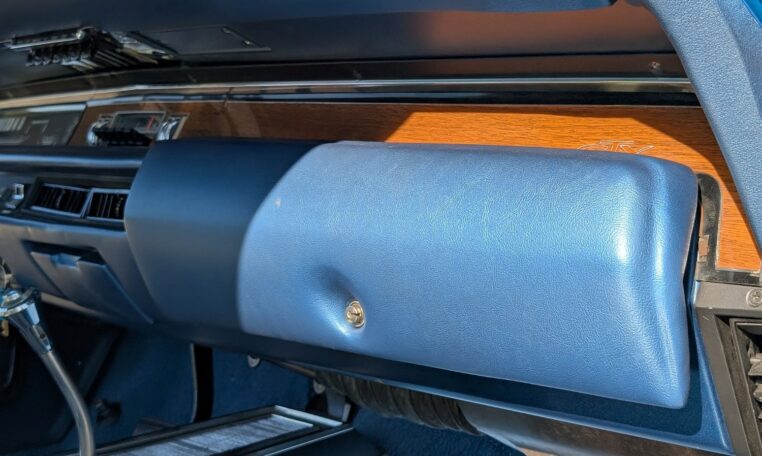
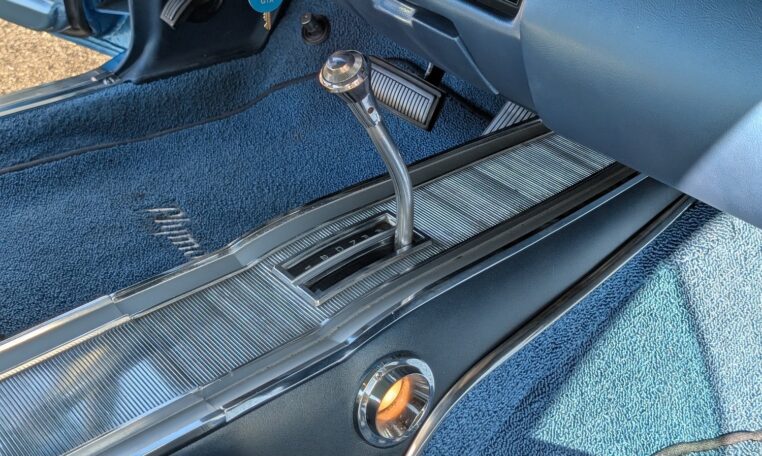
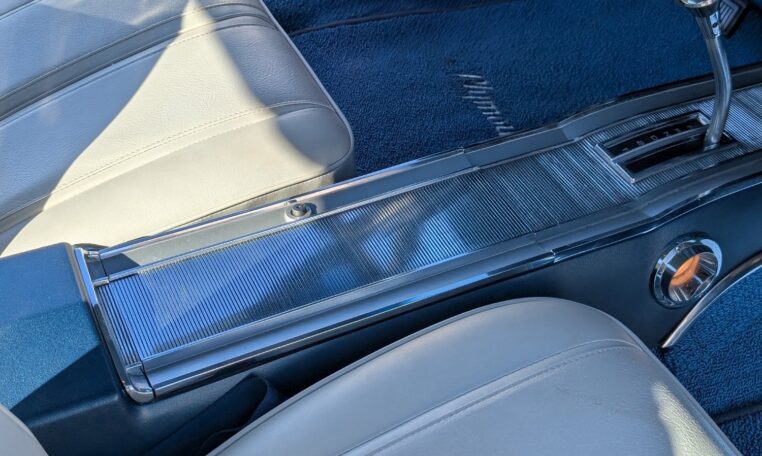
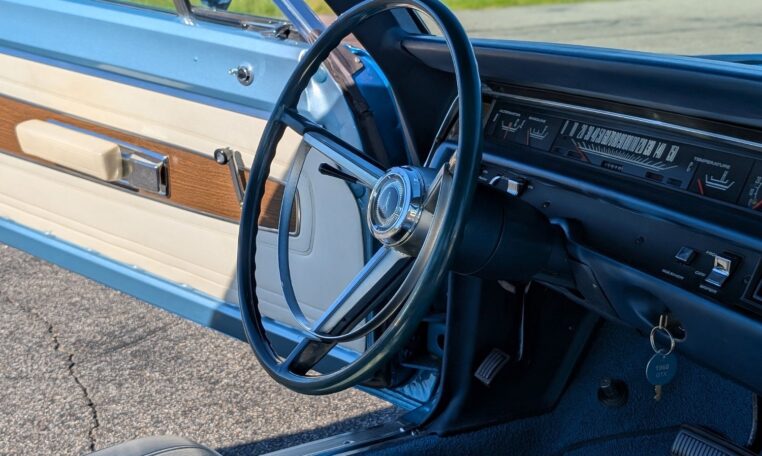
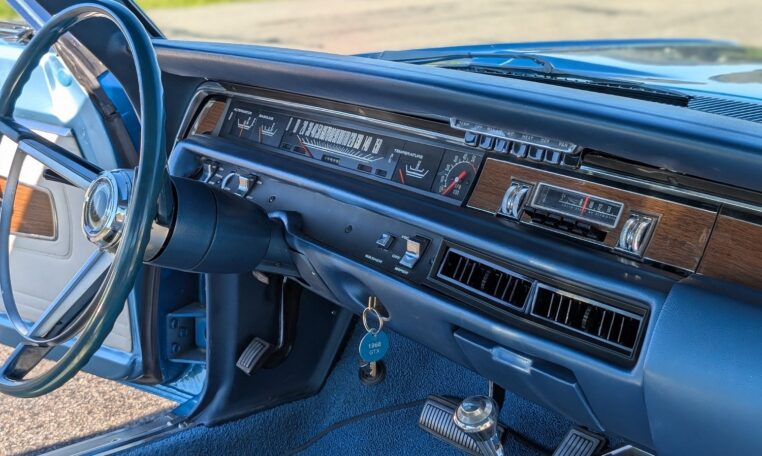
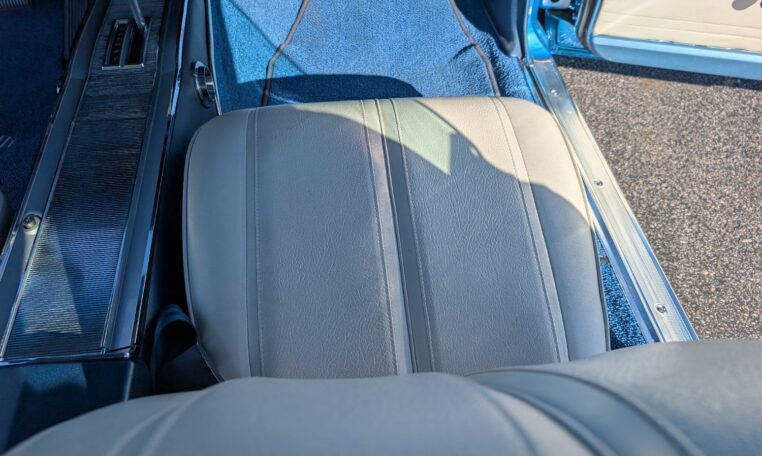
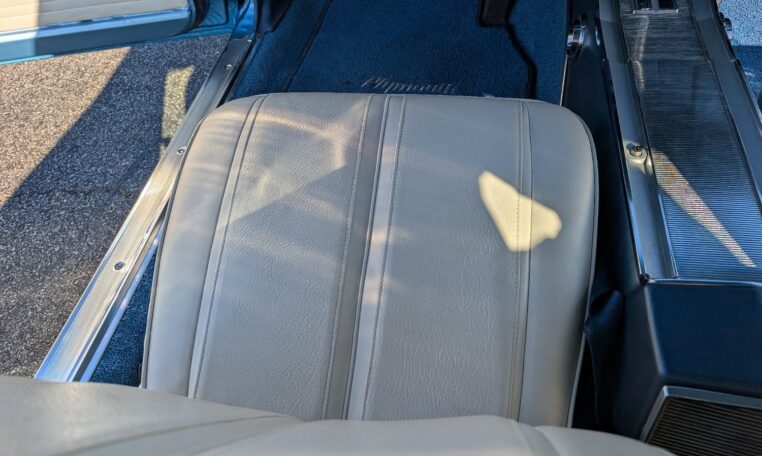
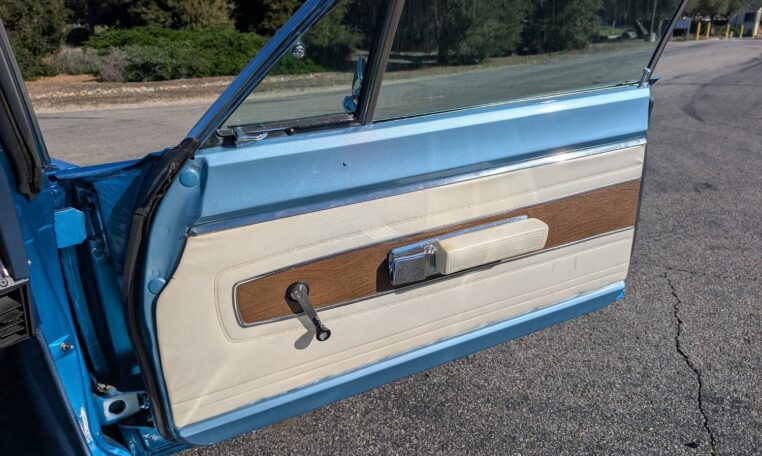
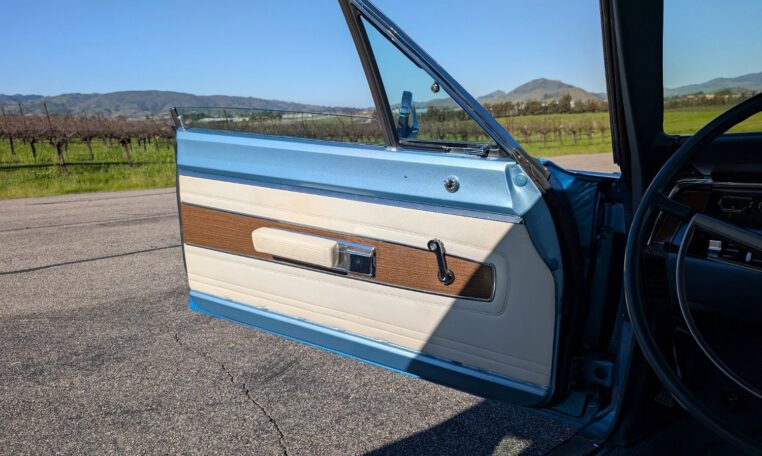
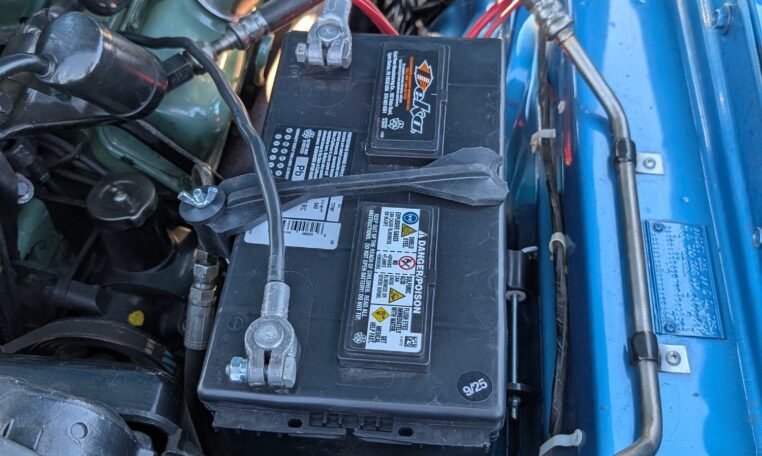
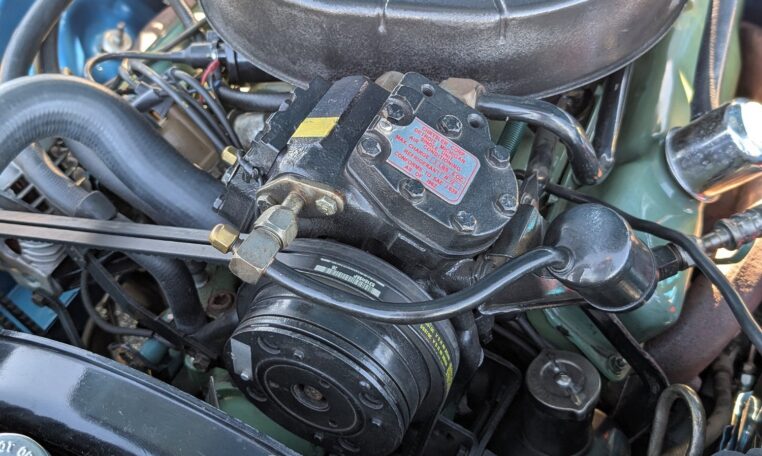
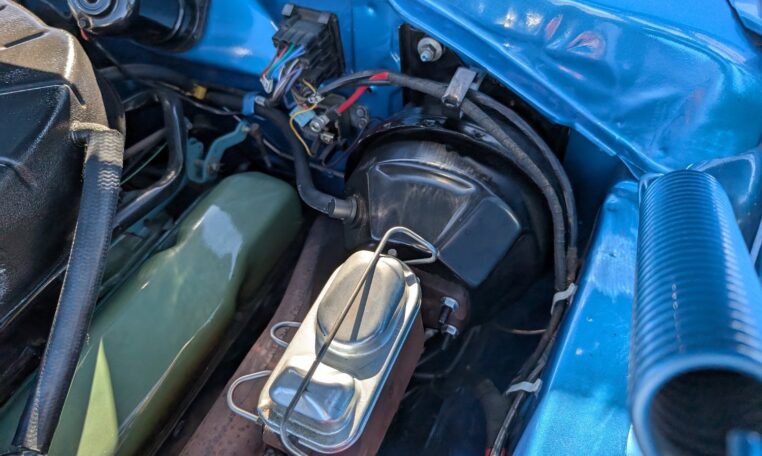
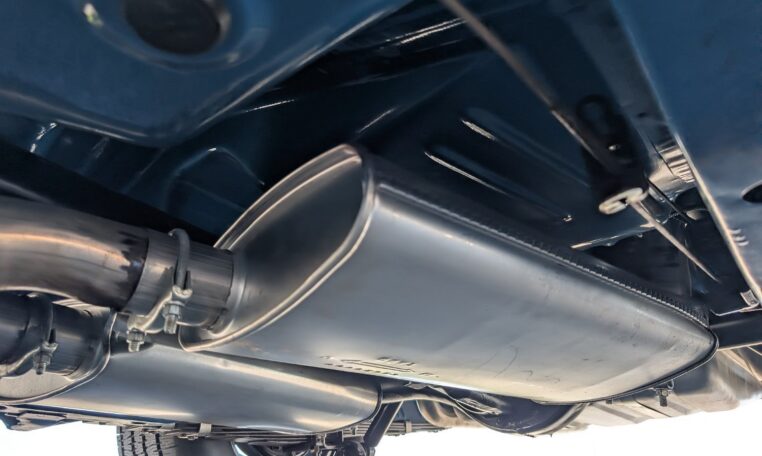
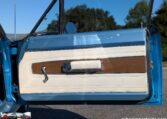
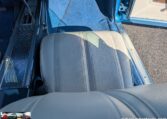
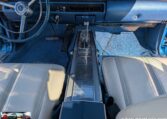
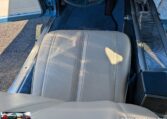
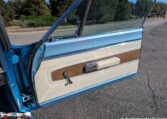
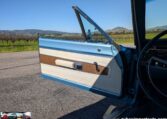
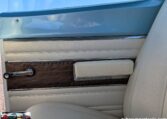
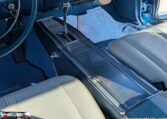
The interior features fancy embossed vinyl upholstery trim seat covers and door panels, while the engine bay houses a single Carter AVS-4637S four-barrel carburetor, full-pressure oiling system, dual exhaust, 12-volt ignition with transistorized coil, and a mechanical water pump with copper-brass radiator. Additional weights and measures include a 116-inch wheelbase, 202.7-inch overall length, 76.6-inch width, 53.1-inch height, 59.5-inch front track, 59.2-inch rear track, and a shipping weight of 3,520 pounds.
History Of The Plymouth GTX
The Plymouth GTX debuted in 1967 as an upscale performance variant of the Belvedere, positioned as the “gentleman’s muscle car” to compete in the booming intermediate muscle segment. Introduced mid-1966 for the 1967 model year, it featured deluxe trim, special badging, and powerful V8 options like the standard 440 Super Commando or optional 426 Hemi, emphasizing both luxury and speed. By 1968, it evolved into a standalone model with refreshed styling, including a new hood with faux vents, dual stripes, and taillamp assemblies, while maintaining its B-body platform. Production ran through 1971, with the GTX transitioning to an options package on the Road Runner by 1972-1974 due to emissions regulations and shifting market demands. Today, it’s revered as a symbol of the muscle car golden age, prized by collectors for its blend of sophistication and brute force.
Production Numbers
For the 1968 model year, Plymouth produced a total of 18,272 GTX models, with the vast majority—17,246 units—being the 2-door hardtop coupe like this one, and only 1,026 convertibles. Among these, just 410 coupes were equipped with the high-performance 426 Hemi engine, making the standard 440-equipped versions more common but still collectible. Specific breakdowns by color are not widely documented, but Frost Blue Metallic was one of the available hues in Plymouth’s palette that year, contributing to its rarity in well-preserved examples. This combination of body style, color, and California provenance makes this GTX a standout in a production run that emphasized limited-volume muscle over mass appeal.
Don’t miss this opportunity to own a meticulously restored, historically significant muscle car. Contact us today for pricing, additional photos, or to schedule a viewing. Serious inquiries only – this GTX is ready to roar into your garage! We ship worldwide and offer Classic Car Financing!
OWN A PIECE OF AMERICAN HISTORY!
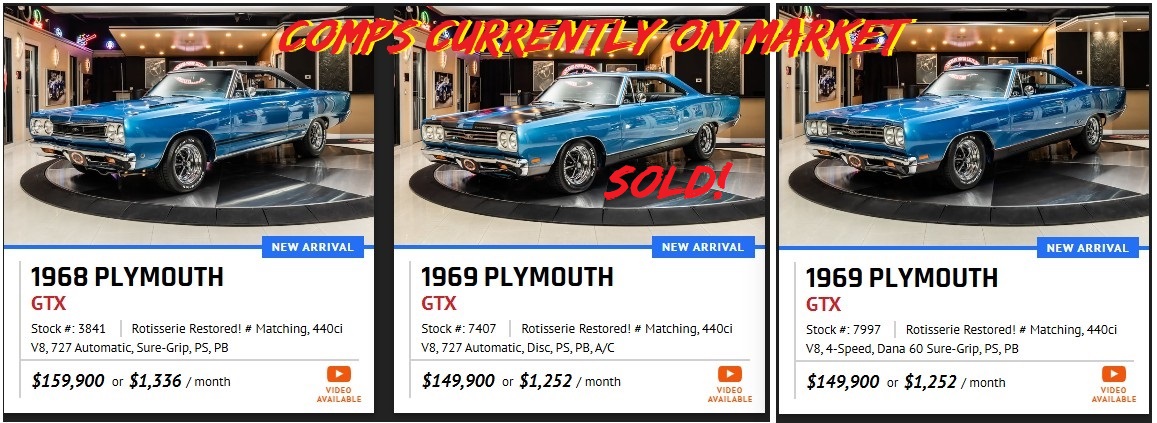
***PRICED WITH THE ROTISSERIE COMPS CURRENTLY ON MARKET***
Year:
1968
Make:
Plymouth
Model:
GTX
Body Style:
2-Dr Coupe
Mileage:
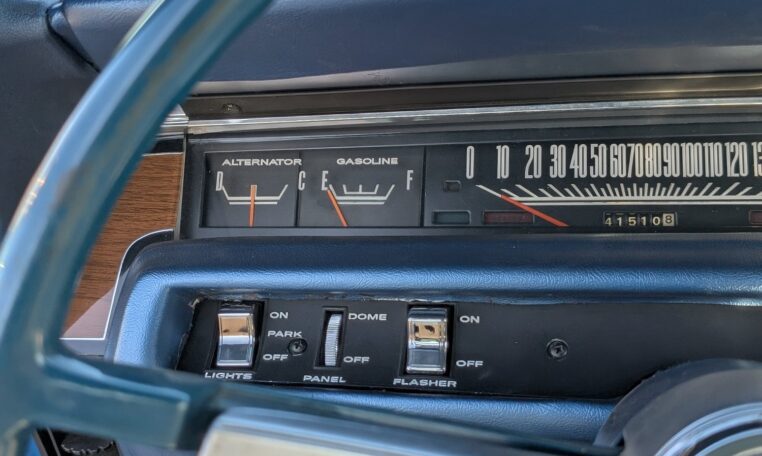
41,510
Transmission:
727 Torqueflite 3-Spd Auto
Condition:
Rotisserie Restored
Location:
San Luis Obispo
Price:
$149,995
Drivetrain:
RWD
Engine:
440-CID V8 4-BBL 375HP/480-TORQUE
Exterior Color:
Frost Blue Metallic
Interior Color:
White Vinyl
MPG:
City / Highway
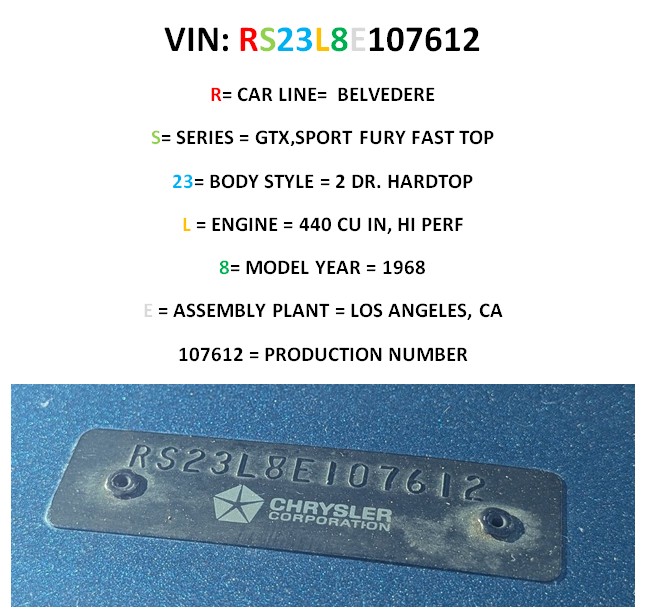
VIN Number:
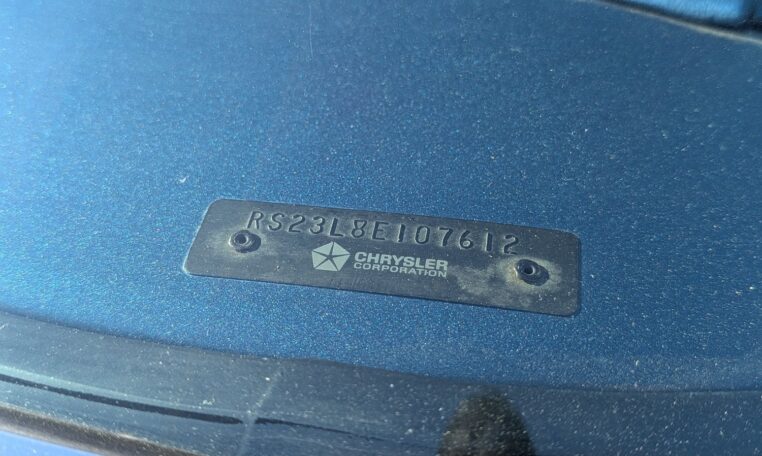
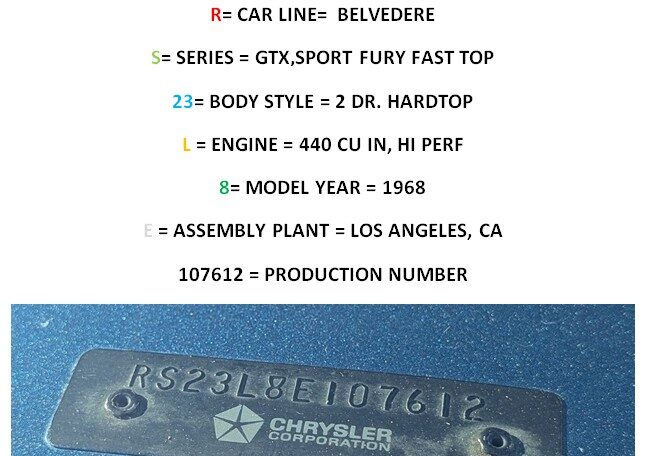
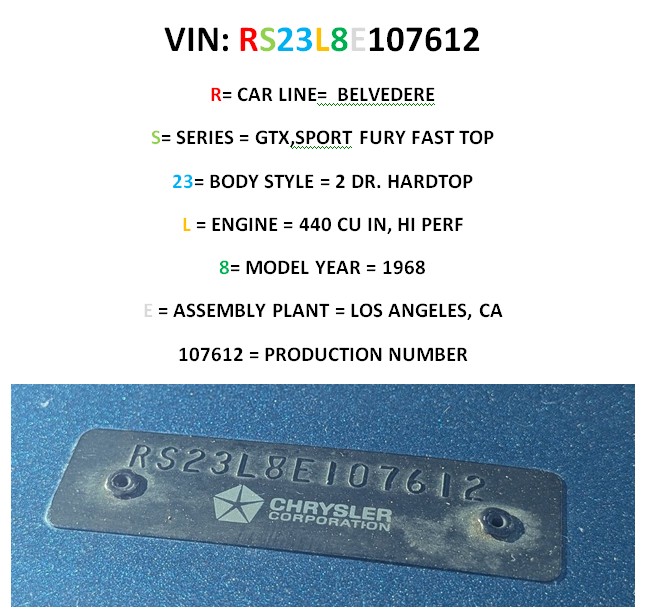
RS23L8E107612
Fuel Efficiency Rating
City: N/A
Highway: N/A
Actual rating will vary with options, driving conditions, driving habits and vehicle condition.
Financing Calculator
Cost of Vehicle ($):
Down Payment ($):
Annual Interest Rate (%):
Term of Loan in Years:
Frequency of Payments:
Calculate My Payment
NUMBER OF PAYMENTS:
60
PAYMENT AMOUNT:
$ 89.11
Recent Vehicles
Browse through the vast selection of vehicles that have recently been added to our inventory.